

Fast cooling dross pans have emerged as a topic of significant interest in the aluminum industry. As a supplier of these specialized pans, I've witnessed firsthand the curiosity and questions surrounding their applicability. In this blog, I'll delve into the details of whether fast cooling dross pans can indeed be used in the aluminum industry, exploring their features, benefits, and potential challenges.
Understanding Fast Cooling Dross Pans
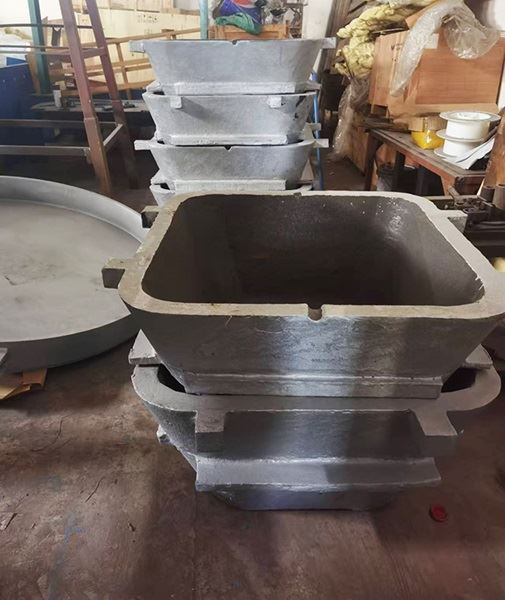
Fast cooling dross pans are engineered to rapidly cool the dross, a by - product of the aluminum smelting process. Dross is a mixture of aluminum oxide, unreacted aluminum, and other impurities that forms on the surface of molten aluminum. Traditional dross handling methods often involve slower cooling, which can lead to certain inefficiencies.
Fast cooling dross pans are typically made from high - quality materials that have excellent heat transfer properties. These materials allow for quick dissipation of heat from the dross, reducing the cooling time significantly. For example, some pans are made from alloy steels that are specifically designed to withstand the high temperatures in the aluminum production environment while facilitating rapid heat exchange.
Advantages of Using Fast Cooling Dross Pans in the Aluminum Industry
1. Improved Aluminum Recovery
One of the primary benefits of fast cooling dross pans is the increased recovery of aluminum from the dross. When dross cools slowly, the aluminum within it has more time to react with oxygen and other elements, forming compounds that are difficult to separate. Fast cooling helps to preserve the unreacted aluminum in a more recoverable form. By cooling the dross quickly, we can prevent excessive oxidation and allow for more efficient extraction of aluminum during the subsequent processing steps. This not only reduces waste but also increases the overall yield of the aluminum production process.
2. Enhanced Safety
In the aluminum industry, handling hot dross can be a hazardous task. Slow - cooling dross remains at high temperatures for an extended period, increasing the risk of burns, fires, and other safety incidents. Fast cooling dross pans reduce the time during which the dross is at a high temperature, minimizing these risks. Workers can handle the cooled dross more safely, and the overall working environment becomes more secure.
3. Increased Productivity
Time is of the essence in any industrial process. Fast cooling dross pans can significantly reduce the dross handling cycle time. Since the dross cools faster, it can be removed from the pans and processed more quickly, allowing for a more continuous production flow. This increased efficiency can lead to higher overall productivity in the aluminum plant. For example, in a large - scale aluminum smelter, even a small reduction in dross cooling time can translate into substantial savings in terms of time and resources.
4. Cost Savings
The improved aluminum recovery and increased productivity mentioned above directly contribute to cost savings. With more aluminum being recovered from the dross, the need for additional raw materials is reduced. Additionally, the faster production cycle means that the plant can produce more aluminum with the same amount of resources, effectively lowering the cost per unit of production.
Challenges and Considerations
1. Material Compatibility
While fast cooling dross pans offer many benefits, it's crucial to ensure that the materials used in the pans are compatible with the aluminum and the dross. Some materials may react with the dross or the molten aluminum, leading to contamination or degradation of the pans. As a supplier, we conduct extensive testing to ensure that our fast cooling dross pans are made from materials that are resistant to corrosion and chemical reactions in the aluminum production environment.
2. Initial Investment
Fast cooling dross pans may require a higher initial investment compared to traditional dross handling equipment. The specialized materials and advanced engineering used in their construction contribute to the higher cost. However, it's important to consider the long - term benefits and cost savings that these pans can bring. Over time, the increased aluminum recovery and productivity can offset the initial investment.
3. Maintenance Requirements
Like any industrial equipment, fast cooling dross pans require regular maintenance to ensure optimal performance. The high - temperature environment and the chemical nature of the dross can cause wear and tear on the pans. Regular inspections, cleaning, and repair are necessary to extend the lifespan of the pans. As a supplier, we provide detailed maintenance guidelines and support to our customers to help them keep their pans in good working condition.
Comparison with Other Equipment in the Aluminum Industry
In the aluminum industry, there are other types of equipment used for handling by - products, such as Alloy Steel Sow Mold, Slag Pot, and Copper Melting Mold. Each of these has its own specific functions.
Alloy steel sow molds are used for casting aluminum into sows, which are large blocks of aluminum. They are designed to withstand the high - temperature pouring process and ensure the proper shape and quality of the cast aluminum. Slag pots, on the other hand, are used to collect and transport slag, another by - product of the aluminum production process. Copper melting molds are used in the melting and casting of copper - based alloys in the aluminum production context.
Fast cooling dross pans, however, are specifically focused on the rapid cooling of dross to improve aluminum recovery and process efficiency. They complement these other pieces of equipment by optimizing the handling of dross, which is an important part of the overall aluminum production chain.
Real - World Applications
Many aluminum plants around the world have already adopted fast cooling dross pans and have reported positive results. For example, in a medium - sized aluminum smelter, after switching to fast cooling dross pans, they were able to increase their aluminum recovery rate from the dross by 10%. This increase in recovery led to significant cost savings and a more sustainable production process.
Another plant noticed a reduction in safety incidents related to dross handling. The faster cooling of the dross meant that workers were exposed to high - temperature dross for a shorter period, reducing the risk of burns and other accidents.

Conclusion
In conclusion, fast cooling dross pans can indeed be effectively used in the aluminum industry. Their numerous advantages, including improved aluminum recovery, enhanced safety, increased productivity, and cost savings, make them a valuable addition to any aluminum production facility. While there are some challenges such as material compatibility, initial investment, and maintenance requirements, these can be managed with proper planning and support.
If you're in the aluminum industry and are considering upgrading your dross handling equipment, I encourage you to explore the potential of fast cooling dross pans. Our company has extensive experience in providing high - quality fast cooling dross pans, and we're ready to work with you to find the best solution for your specific needs. Contact us to start a discussion about how our fast cooling dross pans can benefit your aluminum production process.
References
- Aluminum Industry Handbook: A Comprehensive Guide to Aluminum Production and Processing, 2nd Edition
- Journal of Metals Processing and Recycling, Vol. 15, Issue 3, "Advances in Dross Handling Technology in the Aluminum Industry"
- Proceedings of the International Aluminum Conference, 2022, "Fast Cooling Dross Pans: A New Approach to Aluminum Dross Management"