

Hey there! As a supplier of Crusher Spare Parts, I've seen firsthand how crucial it is to ensure the compatibility of these parts. It's not just about slapping on any old part and hoping for the best. Compatibility can make or break the performance of your crusher, and that's something no one wants to deal with. So, let's dive into how you can make sure those spare parts fit like a glove.
Understanding Your Crusher
First things first, you gotta know your crusher inside out. Every crusher is unique, with its own set of specifications, design features, and operating requirements. Whether it's a cone crusher, an impact crusher, or some other type, each has different needs when it comes to spare parts.
Take cone crushers, for example. These bad boys are known for their ability to crush hard and abrasive materials. When you're looking for Cone Crusher Wear Parts, you need to consider factors like the size of the crushing chamber, the type of mantle and concave, and the overall design of the crusher. A part that works well in one cone crusher might not work at all in another.
Impact crushers, on the other hand, rely on the force of impact to break down materials. Impact Crusher Wear Parts need to be able to withstand high levels of stress and abrasion. You'll want to pay attention to things like the shape and size of the blow bars, the quality of the wear-resistant materials, and how they interact with the rotor.
Checking the Specifications
Once you've got a good understanding of your crusher, it's time to start looking at the specs of the spare parts. This is where the nitty-gritty details come in. You'll need to check things like dimensions, tolerances, and material properties.
Dimensions are pretty straightforward. You need to make sure the part is the right size to fit into your crusher. If it's too big, it won't fit at all. If it's too small, it might not function properly or could even cause damage to the crusher. For example, if you're replacing a jaw plate in a jaw crusher, you need to know the exact length, width, and height of the original plate.
Tolerances are a bit more technical. They refer to the allowable variation in the dimensions of a part. Even small differences in tolerances can affect the fit and performance of a spare part. So, make sure the tolerances of the replacement part match those of the original.
Material properties are also crucial. Different crushers require different materials for their spare parts. For instance, parts that are exposed to high levels of abrasion need to be made from wear-resistant materials like manganese steel or high-chrome alloys. You'll want to check the hardness, toughness, and other properties of the material to ensure it's suitable for your crusher.
Compatibility Testing
Even if the specs of the spare part seem to match, it's still a good idea to do some compatibility testing before you install it. This can help you catch any potential issues early on and avoid costly downtime.
One way to test compatibility is to do a dry fit. This involves placing the spare part in the crusher without actually installing it. Check to see if it fits properly and if there are any obvious signs of interference. You can also use measuring tools to double-check the dimensions and tolerances.

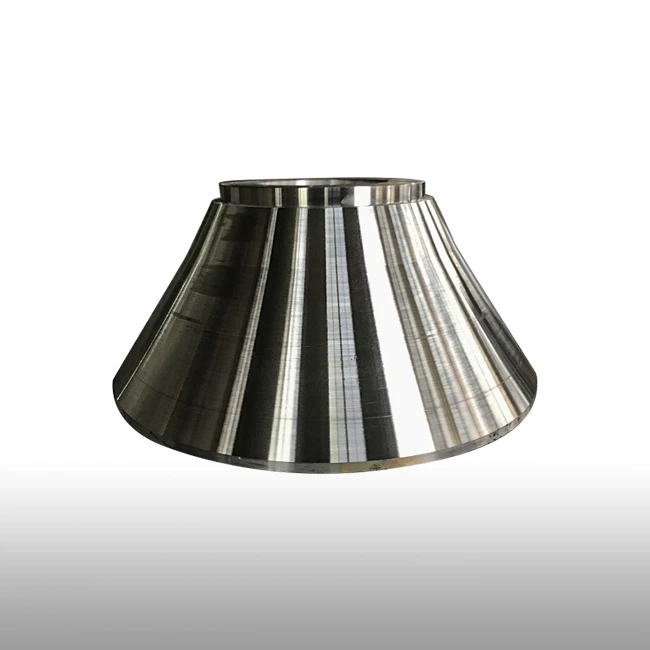
Another option is to do a test run. If possible, start the crusher with the new part installed and see how it performs. Look for any unusual noises, vibrations, or other signs of trouble. If you notice anything off, stop the crusher immediately and investigate the issue.
Working with a Reputable Supplier
One of the best ways to ensure the compatibility of crusher spare parts is to work with a reputable supplier. At Crusher Spare Parts, we've got years of experience in the industry, and we know what it takes to provide high-quality, compatible parts.
A good supplier will have a wide range of spare parts available, so you're more likely to find the exact part you need. They'll also have knowledgeable staff who can help you choose the right part based on your crusher's specifications and your specific needs.
In addition, a reputable supplier will stand behind their products. They'll offer warranties and support to ensure that you're satisfied with your purchase. If you run into any issues with a part, they'll work with you to resolve them quickly and efficiently.
Keeping Records
Finally, it's important to keep records of all the spare parts you use in your crusher. This can help you track the performance of the parts over time and make informed decisions about future replacements.
Keep a log of when each part was installed, how long it lasted, and any issues you encountered. You can also take photos of the parts before and after installation to document their condition. This information can be invaluable when it comes to troubleshooting problems and planning for maintenance.
In conclusion, ensuring the compatibility of crusher spare parts is essential for the smooth operation of your crusher. By understanding your crusher, checking the specifications, doing compatibility testing, working with a reputable supplier, and keeping records, you can minimize the risk of compatibility issues and keep your crusher running at its best.
If you're in the market for high-quality, compatible crusher spare parts, don't hesitate to reach out. We're here to help you find the right parts for your needs and ensure that your crusher is up and running in no time.
References
- "Crusher Handbook" - Industry standard guide on crusher operation and maintenance.
- Manufacturer's manuals for various crushers, providing detailed specifications and guidelines.