

Aluminium Dross: An Environmental Challenge
Aluminium dross consists of aluminum metal and non-metallic components such as oxides, salts, and impurities. It is generated during the melting and refining of aluminum scrap or aluminum-containing materials, and its disposal poses several environmental challenges. The improper disposal of dross can lead to soil and water contamination, as well as the release of harmful gases when incinerated.
Historically, dross was often sent to landfills or disposed of in ways that were harmful to the environment. However, the increasing awareness of environmental issues and the economic value of recycling aluminium have driven the development of innovative solutions for processing this waste material.
The Importance of Aluminium Recycling
Aluminium is a highly recyclable material, and recycling aluminium dross can significantly reduce energy consumption and greenhouse gas emissions associated with primary aluminium production. It takes only a fraction of the energy to recycle aluminium as compared to extracting it from bauxite ore.
Furthermore, recycling aluminium dross can yield valuable secondary aluminium, which can be used in various industries, including automotive, construction, and aerospace. This not only conserves natural resources but also reduces the demand for energy-intensive primary aluminium production.
Methods for Processing Aluminium Dross
Several methods and technologies have been developed for processing aluminium dross efficiently.
1. Thermal Processes
◆ Dross Cooling and Crushing: In this method, hot dross is first cooled and then crushed into smaller particles. The crushed dross can then be further processed using other methods.
◆ Dross Rotary Furnace: This process involves heating the dross in a rotary furnace, where the metal melts and separates from the non-metallic components. The molten metal can be cast into ingots, while the residual material can be further treated.
2. Mechanical Processes
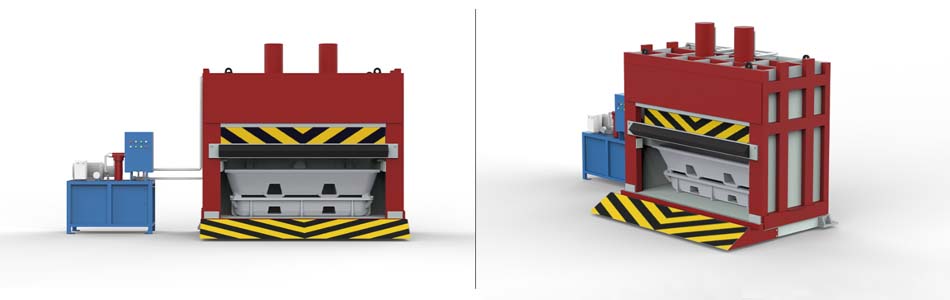
◆ Dross Pressing: Dross can be pressed to extract the liquid aluminum, leaving behind a dry residue. The extracted metal is then processed into usable forms.
◆ Dross Milling: In this method, dross is milled to separate the metallic and non-metallic components. The metal can be recovered and reused, while the non-metallic residue can be disposed of safely.
3. Chemical Processes
◆ Salt Fluxing: Salt fluxing involves the use of salts to dissolve the oxides in the dross, leaving behind a purified aluminum metal. This method is particularly effective for high-oxide dross.
◆ Reactive Gas Treatment: Reactive gases like chlorine or fluorine can be used to react with the non-metallic components in the dross, allowing the aluminum to be recovered.
Environmental and Economic Benefits
● Reduced Environmental Impact: By recycling aluminium dross, we reduce the environmental impact of its disposal, including soil and water contamination and air pollution.
● Resource Conservation: Recycling dross conserves valuable aluminum resources and reduces the need for bauxite mining, which has its own environmental challenges.
● Energy Savings: Recycling aluminum requires significantly less energy compared to primary production, leading to lower greenhouse gas emissions.
● Economic Value: Recovering aluminum from dross generates a valuable secondary resource that can be sold and reused, providing economic benefits to recycling facilities.
● Compliance with Regulations: Proper dross processing helps companies comply with environmental regulations and enhances their corporate social responsibility.
The processing of aluminium dross has come a long way from being an environmental concern to becoming a sustainable and economically viable practice. The various methods and technologies available today not only help mitigate the environmental impact of dross but also contribute to resource conservation and energy savings.
As the global focus on sustainability continues to grow, the aluminium industry is increasingly adopting these advanced techniques for dross processing. This shift towards responsible and efficient dross management is not only beneficial for the environment but also for the industry's long-term economic viability. By embracing these innovative approaches, we can ensure a cleaner, greener, and more sustainable future for the aluminium industry.
Contact us
86 029 87607185 86029 87669660 86 029 87607180 ext. 8003
Email: sales@huan-tai.org
Address:No.68, 2nd Keji Road Xian, China 710075