

Cast iron molds are indispensable in the production of a wide range of items, thanks to the remarkable properties of cast iron. Cast iron, renowned for its durability and heat retention, is a popular choice for mold materials in various industries. In this article, we will explore why cast iron is favored for this purpose, its types, and the processes involved in creating cast iron molds.
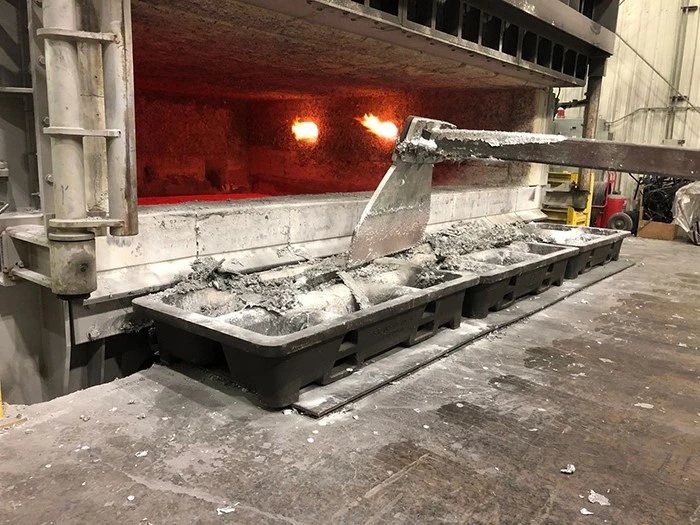
The Significance of Cast Iron Molds
Before delving into the materials used in cast iron molds, it's essential to understand their significance in manufacturing processes. Cast iron molds are instrumental in shaping and creating various products, including automotive parts, machinery components, cookware, and more.
◎ Durability: Cast iron is known for its exceptional durability, making it ideal for molds that require repeated use. It can withstand the high pressures and temperatures involved in many casting processes.
◎ Heat Retention: Cast iron has excellent heat retention properties, ensuring consistent and even cooling of the material being molded. This is critical for producing high-quality, defect-free products.
◎ Dimensional Stability: Cast iron molds maintain their shape and dimensions over time, ensuring the accuracy and consistency of the final product.
◎ Cost-Efficiency: While the initial cost of cast iron molds may be relatively high, their longevity and reliability make them cost-effective in the long run.
Types of Cast Iron Used for Molds
There are several types of cast iron used in mold-making, each with its unique characteristics and suitability for specific applications.
1. Gray Cast Iron: Gray cast iron is the most widely used material for making molds due to its excellent machinability and thermal conductivity. It is ideal for producing intricate shapes and complex molds. Gray cast iron derives its name from its grayish appearance when fractured, which is a result of graphite flakes within the matrix.
2. Ductile Cast Iron: Ductile cast iron, also known as nodular cast iron or spheroidal graphite iron, is characterized by its high strength and ductility. It is used for molds that require greater tensile strength and resistance to cracking. Ductile cast iron is especially valuable in applications where shock loading is a concern.
3. White Cast Iron: White cast iron is known for its hardness and wear resistance. While it may not be as common as gray or ductile cast iron in mold-making, it finds use in applications where high wear resistance is essential, such as the production of abrasive materials.
4. Malleable Cast Iron: Malleable cast iron is a versatile material that can be easily shaped and welded. It is used in molds where flexibility and adaptability are required.
5. Alloyed Cast Iron: Alloyed cast iron combines the properties of cast iron with specific alloying elements to enhance certain characteristics, such as corrosion resistance or improved heat resistance. These alloys are tailored to meet the requirements of specialized applications.
The Process of Making Cast Iron Molds
Creating cast iron molds involves several steps, from pattern making to the actual casting.
● Pattern Making: The first step is to create a pattern, which is a replica of the desired product. Patterns are typically made from wood, metal, or plastic and serve as the template for the mold cavity.
● Mold Preparation: The pattern is placed in a molding box, and molding material, usually a mixture of sand and binder, is packed around it. The mold cavity is formed by removing the pattern, leaving behind a negative impression.
Melting and Pouring: Cast iron, in its molten form, is poured into the mold cavity. The molten iron fills the space left by the pattern, taking its shape.
● Cooling and Solidification: After pouring, the molten iron begins to cool and solidify. This process is carefully controlled to ensure the cast iron retains the desired properties.
● Mold Removal: Once the cast iron has fully solidified, the mold is opened, and the newly cast part is removed. Depending on the complexity of the part, the mold may be used for multiple castings.
● Finishing: The cast part may undergo finishing processes such as machining, grinding, or surface treatment to achieve the desired specifications and surface quality.
Applications of Cast Iron Molds
● Automotive Industry: Cast iron molds are used to produce engine components, transmission parts, and various automotive components. Their durability and ability to withstand high temperatures make them ideal for these applications.
● Foundries: Foundries rely on cast iron molds for shaping molten metal into a variety of parts, from small intricate components to large industrial machinery parts.
● Glass Industry: In glassblowing and glass manufacturing, cast iron molds are used to create glass bottles, containers, and decorative items.
● Plastics Industry: Injection molding and blow molding processes often employ cast iron molds to create plastic products, including consumer goods, packaging, and industrial parts.
● Cookware Production: Many cookware manufacturers use cast iron molds to create pots, pans, and other kitchen utensils. The even heat distribution and retention of cast iron make it suitable for cooking applications.
● Aerospace and Defense: Critical aerospace and defense components often require precision casting, and cast iron molds are employed in the production of these parts.
Cast iron molds are essential tools in the manufacturing industry due to their exceptional properties, including durability, heat retention, and dimensional stability. Various types of cast iron, such as gray, ductile, white, and alloyed cast iron, cater to different applications, ensuring that manufacturers can meet their specific requirements. The process of creating cast iron molds involves pattern making, molding, pouring, cooling, and finishing, and these molds have wide-ranging applications across industries, from automotive and foundries to glass and plastics production. The enduring popularity of cast iron molds highlights their enduring value in modern manufacturing processes.
Contact us
86 029 87607185 86029 87669660 86 029 87607180 ext. 8003
Email:sales@huan-tai.org
Address:No.68, 2nd Keji Road Xian, China 710075