

About Sow Moulds
Sow moulds are specialized molds used in metallurgy, primarily for shaping molten metal into ingots or sows. These molds are designed to ensure precise control over the cooling and solidification of the molten metal, resulting in uniform and defect-free castings.
One of the key functions of sow moulds is to facilitate efficient metal casting. They define the shape and dimensions of the final product, ensuring consistency and uniformity. This is crucial in industries where metal quality directly affects product performance and safety.
The production of sow moulds is a meticulous process that demands precision and adherence to strict quality standards.
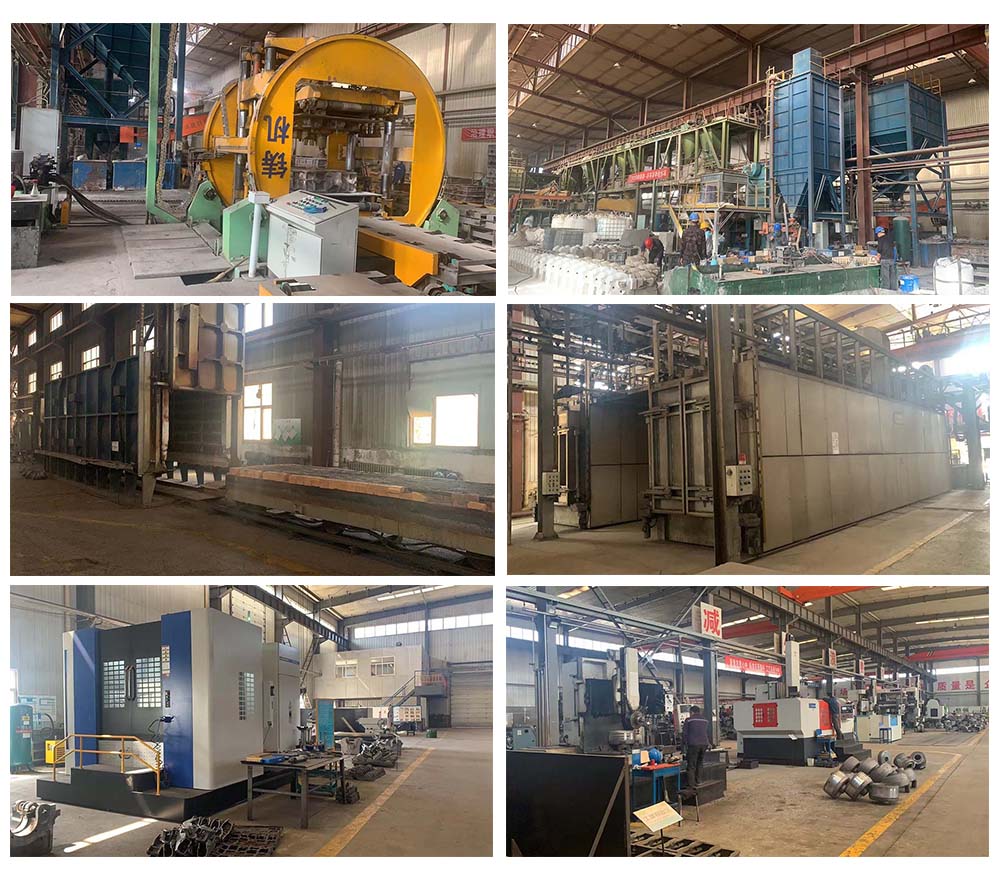
- Material Selection: The choice of materials is crucial. Sow moulds are often made from materials with excellent heat resistance, such as steel or cast iron, to withstand the extreme temperatures involved in metal casting.
- Design and Fabrication: Skilled engineers create detailed blueprints using computer-aided design (CAD) software. These blueprints guide technicians in crafting the sow moulds. The molds are either machined or cast to the desired shape and size.
- Heat Treatment: Heat treatment processes, such as tempering or quenching, are applied to improve the hardness, toughness, and durability of the sow moulds. This step ensures that the molds can withstand the demanding conditions of metal casting.
- Surface Coating: In some cases, sow moulds receive specialized coatings to enhance their performance. These coatings may improve release properties, reduce wear and tear, and prolong the life of the moulds.
- Quality Control: Rigorous quality control checks are implemented throughout the manufacturing process. These checks include dimensional inspections, material testing, and thorough examinations to ensure the final product meets industry standards.
- Finishing: After quality assurance checks, the sow moulds may undergo finishing processes, such as grinding or polishing, to achieve the desired surface finish and dimensions.
Sow moulds find applications across various industries:
1. Steel Industry: Sow moulds are extensively used in the steel industry for casting steel ingots. These ingots serve as the raw material for various downstream processes, such as forging, rolling, and extrusion.
2. Aluminum Industry: In the aluminum industry, sow moulds are critical for shaping molten aluminum into ingots or sows. These ingots are used in the production of aluminum products, including automotive parts, aerospace components, and building materials.
3. Copper and Brass Production: Sow moulds are employed in the casting of copper and brass alloys, which are used in electrical components, plumbing fixtures, and decorative items.
4. Foundries: Foundries use sow moulds for casting a wide range of metals, including iron, bronze, and nickel alloys, to create components for machinery, industrial equipment, and artistic sculptures.
5. Recycling: Sow moulds also play a role in recycling processes. They are used to shape molten recycled metal into standardized forms for resale and further processing.
As with many aspects of manufacturing, technology and innovation are driving advancements in sow moulds:
1. Advanced Materials: The development of new materials with superior properties, such as higher heat resistance and enhanced durability, is improving the performance and longevity of sow moulds.
2. Automation: Automation and robotics are increasingly integrated into the manufacturing process of sow moulds, enhancing precision and efficiency while reducing labor costs.
3. Sustainability: Manufacturers are adopting sustainable practices, such as recycling and reducing energy consumption, to make sow mould production more environmentally friendly.
4. Customization: Additive manufacturing, commonly known as 3D printing, allows for the customization of sow moulds, offering greater flexibility in shaping molten metal into specific forms.
5. Digital Twins: Digital twin technology is being applied to create virtual replicas of sow moulds, enabling real-time monitoring and predictive maintenance to prevent downtime.
Sow moulds are the unsung heroes of the metallurgy world, ensuring the precision and consistency required for the production of high-quality metal products across diverse industries. The meticulous manufacturing processes, stringent quality control measures, and the adoption of cutting-edge technologies are driving the evolution of these critical components. As industries continue to advance, sow moulds will remain integral to shaping the future of metal manufacturing, enabling the creation of safer, more efficient, and sustainable products.
Contact Us
86 029 87607185 86029 87669660 86 029 87607180 ext. 8003
Email: Tech@huan-tai.org
Address:No.68, 2nd Keji Road Xian, China 710075