

The Significance of Aluminum Casting Sow Molds
●Aluminum: The Metal of Choice
Aluminum is a versatile and lightweight metal that has found its way into numerous industries due to its desirable properties, including corrosion resistance, excellent thermal conductivity, and recyclability. These attributes make aluminum a preferred choice for casting in various industrial applications.
●Sow Molds: The Backbone of Aluminum Casting
Sow molds are integral to the aluminum casting process. They serve as the initial mold into which molten aluminum is poured, allowing it to solidify and take on the desired shape. These molds are available in various designs, sizes, and configurations to accommodate the diverse requirements of aluminum casting processes.
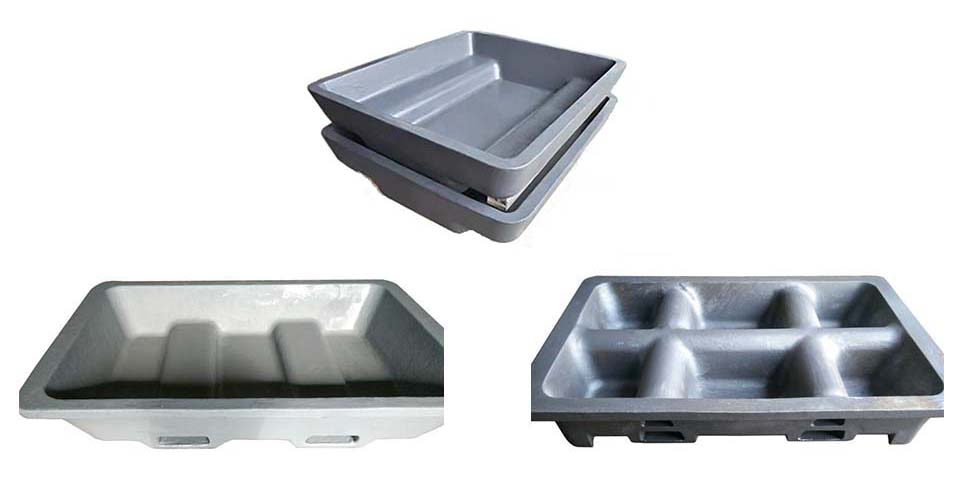
Design and Manufacturing of Aluminum Casting Sow Molds
●Mold Materials
Aluminum casting sow molds are typically constructed from durable and heat-resistant materials. Common choices include cast iron, steel, and even specialized materials like high-strength graphite. The choice of material depends on factors like the type of casting, frequency of use, and expected lifespan of the mold.
●Mold Design
The design of an aluminum casting sow mold is a critical aspect of the casting process. Molds must be designed to withstand the extreme heat and pressure of molten aluminum, ensuring that the final product retains the intended shape and dimensions. Skilled engineers and metallurgists collaborate to create molds that are not only functional but also efficient in terms of material usage and ease of casting.
●Manufacturing Techniques
The manufacturing of aluminum casting sow molds requires precision and expertise. Various methods, such as sand casting, die casting, or CNC machining, are employed to create molds with intricate details. Skilled artisans work diligently to ensure that each mold meets the exact specifications demanded by the industry.
The Aluminum Casting Process
1. Melting and Preparing the Aluminum
Before aluminum can be cast into a specific shape, it must be melted down in a furnace. The molten aluminum is then purified and alloyed to achieve the desired properties for the final product. This step is crucial in ensuring the quality and consistency of the castings.
2. Pouring the Molten Aluminum
Once the molten aluminum reaches the desired temperature and composition, it is poured into the aluminum casting sow mold. The precision and skill of the operator are critical during this step to prevent defects in the final casting.
3. Solidification and Cooling
As the molten aluminum enters the mold, it quickly begins to solidify and take on the shape of the mold cavity. Proper cooling is essential to ensure that the aluminum cools uniformly, minimizing the risk of defects like shrinkage or porosity.
4. Removal and Post-Processing
After the aluminum casting has solidified, the mold is opened, and the casting is carefully removed. Any excess material, called flash, is trimmed, and the casting may undergo additional processes like heat treatment, machining, or surface finishing to meet the desired specifications.
Applications of Aluminum Casting Sow Molds
◆ Automotive Industry
Aluminum casting sow molds are extensively used in the automotive industry for manufacturing engine components, transmission parts, and various structural elements. The lightweight nature of aluminum helps improve fuel efficiency, and the precise casting ensures components meet stringent quality standards.
◆ Aerospace Sector
The aerospace industry relies on the exceptional strength-to-weight ratio of aluminum. Sow molds play a crucial role in creating parts for aircraft and spacecraft, including wing components, landing gear, and other structural elements. The precision of casting is essential for ensuring safety and performance.
◆ Consumer Goods
Aluminum is also prevalent in the production of consumer goods. From cookware to electronics casings, the versatility and aesthetic appeal of aluminum make it an ideal choice. Sow molds are used to create intricate and appealing designs for these products.
◆ Construction and Architecture
In the construction industry, aluminum casting sow molds are used for crafting architectural elements, window frames, and structural components. The corrosion-resistant properties of aluminum make it ideal for both interior and exterior applications in buildings.
◆ Renewable Energy
The renewable energy sector relies on aluminum casting sow molds for the production of components used in wind turbines and solar panels. The lightweight and durable nature of aluminum helps in constructing efficient and long-lasting equipment for clean energy production.
Advancements in Aluminum Casting Technology
◎ Digital Modeling and Simulation
Modern technology has brought advancements to the design and testing of aluminum casting sow molds. Digital modeling and simulation tools allow engineers to create and analyze mold designs with precision. This reduces the need for costly physical prototypes and accelerates the design process.
◎ 3D Printing
Additive manufacturing, including 3D printing, has made its way into the casting industry. It offers the potential to create complex mold designs with greater efficiency and accuracy, opening up new possibilities for innovative casting solutions.
◎ Sustainability and Recycling
The aluminum casting industry is also evolving to become more environmentally friendly. Recycling processes are being improved to reduce waste, and efforts are made to minimize energy consumption during casting. Sustainable practices benefit both the industry and the environment.
Conclusion
Aluminum casting sow molds are the unsung heroes of modern metallurgy, enabling the transformation of aluminum into a wide range of essential products across industries. Their significance in design, manufacturing, and application cannot be overstated, and their continued development is paving the way for innovative solutions and a more sustainable future. As technology advances, the role of aluminum casting sow molds will only become more vital in shaping our world.
Contact us
86 029 87607185,86 029 87669660, 86 029 87607180 ext. 8003
Email: Tech@huan-tai.org
Address:No.68, 2nd Keji Road Xian, China 710075