

Products Description
Primary aluminum, also known as virgin aluminum, is produced directly from bauxite ore through a complex process called the Bayer process, followed by the Hall-Héroult process. The primary aluminum production involves several energy-intensive steps, including mining, refining, smelting, and casting. The primary characteristics of primary aluminum include:
◆Purity: Primary aluminum is highly pure, with minimal impurities. This makes it ideal for critical applications where purity is crucial, such as the aerospace industry.
◆Energy-Intensive: The production of primary aluminum is energy-intensive, requiring vast amounts of electricity, which can have a substantial environmental impact.
◆Cost: Primary aluminum is relatively expensive due to the energy and resources needed for its production.
Secondary Aluminum
Secondary aluminum, often referred to as recycled aluminum, is produced from scrap or used aluminum products. This recycling process involves melting and reprocessing aluminum materials to create new products. The key characteristics of secondary aluminum include:
◆Sustainability: Secondary aluminum is an environmentally friendly option as it reduces the need for mining, refining, and energy-intensive processes.
◆Lower Energy Consumption: Recycling aluminum consumes significantly less energy compared to primary production, making it a more sustainable choice.
◆Economic Benefits: Secondary aluminum is often more cost-effective than primary aluminum due to its reduced production costs.
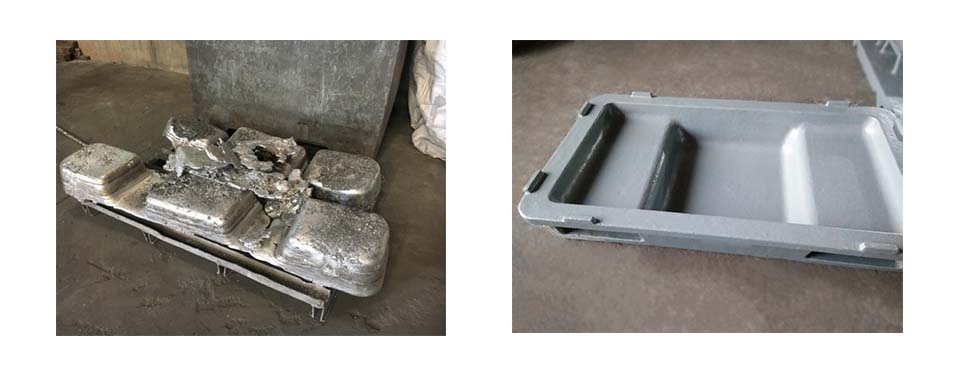
Differences Between Primary and Secondary Aluminum
Source
Primary Aluminum: Sourced directly from bauxite ore through energy-intensive processes.
Secondary Aluminum: Produced from recycled aluminum materials, reducing the need for mining and refining.
Purity
Primary Aluminum: Extremely pure and suitable for applications that demand high purity.
Secondary Aluminum: May contain some impurities from the recycling process but is generally of good quality.
Environmental Impact
Primary Aluminum: Has a significant environmental footprint due to energy-intensive production.
Secondary Aluminum: Reduces energy consumption and environmental impact, making it a more sustainable choice.
Cost
Primary Aluminum: Generally more expensive due to higher production costs.
Secondary Aluminum: Often more cost-effective because it's produced from recycled materials.
Applications
Primary Aluminum: Used in industries where high purity and specific properties are critical, such as aerospace.
Secondary Aluminum: Commonly used in a wide range of applications, including automotive parts, beverage cans, and construction materials.
Conclusion
Understanding the distinctions between primary and secondary aluminum is essential for making informed decisions in various industries. While primary aluminum offers high purity and specific properties, secondary aluminum is a more sustainable and cost-effective option. Both types have their unique advantages and contribute to the versatility of aluminum in the modern world.
Contact us
86 029 87607185,86 029 87669660, 86 029 87607180 ext. 8003
Email: Tech@huan-tai.org
Address:No.68, 2nd Keji Road Xian, China 710075