

Understanding Dross Pans
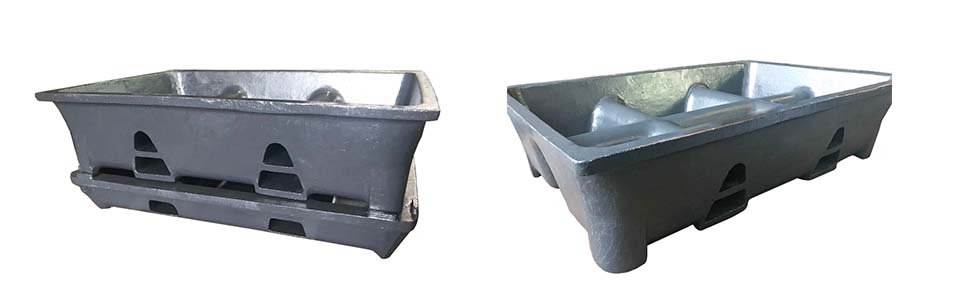
Before we explore methods to enhance the lifespan of dross pans, it's crucial to grasp their function and structure. These dross pans are typically constructed from materials that can withstand high temperatures, such as cast iron or steel. They come in various shapes and sizes, but their primary purpose is to accumulate dross—a mixture of aluminum oxide, aluminum nitride, and other impurities. Efficient dross management is critical to ensuring the quality and purity of the final aluminum ingots.
1. Proper Handling and Maintenance
One of the fundamental steps in increasing the life of dross pans is regular maintenance and careful handling. Dross pans should be treated with care, avoiding rough handling that could lead to cracks or damage. Routine inspections should be carried out to identify any signs of wear and tear, and repairs or replacements should be promptly executed.
2. Temperature Control
Maintaining the appropriate temperature during the aluminum casting and refining process is of paramount importance. Extreme temperature fluctuations can place undue stress on the dross pan’s material, causing it to weaken over time. Careful monitoring and precise temperature control can significantly extend the pan's lifespan.
3. Effective Dross Removal Techniques
Efficient dross removal techniques are crucial for prolonging the life of dross pans. Utilizing specialized tools and methods for dross removal not only ensures that the pan remains functional but also minimizes the potential for damage during the removal process. Adequate training of personnel in the proper dross removal procedures is essential.
4. Proper Cleaning Procedures
Regular cleaning of the dross pan is vital to prevent the accumulation of dross and other impurities. If left unattended, dross can accumulate, diminishing the dross pan's efficiency and potentially leading to premature failure. Establishing a regular cleaning routine is imperative for the longevity of the dross pan.
5. Protective Coatings
Applying protective coatings to the surface of the dross pan can significantly increase its resistance to the corrosive effects of molten aluminum. These coatings serve as a shield, safeguarding the dross pan from chemical reactions and reducing wear and tear. Consulting experts can help identify the most suitable coating for your specific application.
6. Quality Material Selection
When procuring new dross pans, choosing high-quality materials and robust construction is essential. While it may be a pricier initial investment, opting for dross pans made from superior materials can substantially extend their lifespan and overall efficiency, rendering them a more cost-effective choice in the long term.
7. Regular Inspections and Testing
Regular inspections and testing are necessary to identify signs of material degradation, wear, or structural issues. Non-destructive testing techniques, such as ultrasonic testing, can be employed to assess the dross pan's integrity without causing any damage. Timely detection of problems can lead to cost-effective repairs or replacements.
8. Training Personnel
The individuals responsible for operating and maintaining the dross pans play a vital role in determining their lifespan. Providing proper training ensures that personnel are aware of best practices for handling, cleaning, and maintaining the pans. This can help prevent avoidable damage and ensure that the dross pans are used efficiently.
9. Environmental Considerations
Environmental factors, such as exposure to moisture and chemicals, can impact the life of dross pans. Protecting dross pans from excessive moisture and corrosive substances is crucial to extend their lifespan. Additionally, maintaining a clean and contaminant-free working environment can help prevent premature wear and tear.
10. Regular Upgrades and Innovations
As technology and materials continue to advance, staying up-to-date with the latest innovations in aluminum ingot mold dross pan design and construction is essential.
In order to prevent shrinkage holes in the hot joint part of the slag tank, the wall thickness is often artificially increased at the lower part of the riser, so as to achieve sequential solidification, and finally the shrinkage hole is transferred to the riser. This method is called the subsidy technology in the process, and the method of setting metal subsidies is simple and direct, which can effectively eliminate the shrinkage holes and slag inclusion defects that may occur in the hot joint part.
Conclusion
Dross pans are indispensable assets in the aluminum casting and refining industry, and their proper maintenance and care are pivotal in ensuring their extended lifespan. By following the strategies outlined in this article, including regular maintenance, temperature control, protective coatings, and proper handling, you can increase the life of aluminum ingot mold dross pans. This not only reduces operational costs but also guarantees the production of high-quality aluminum ingots. Investing in the longevity of dross pan ultimately benefits both the industry and the environment, making it a wise and responsible choice.
Contact us
86 029 87607185,86 029 87669660, 86 029 87607180 ext. 8003
Email: Tech@huan-tai.org
Address:No.68, 2nd Keji Road Xian, China 710075