

When it comes to the aluminum production process, one crucial step is the removal of dross. Dross, a by - product formed during the melting and refining of metals, contains a mixture of metal oxides, slag, and other impurities. Using a Dross Skim Pan is an effective way to remove this dross, but determining the best time to skim dross with a Dross Skim Pan is of utmost importance. As a supplier of high - quality Dross Skim Pans, I am here to share some insights on this topic.
Understanding the Dross Formation Process
Before discussing the best time to skim dross, it's essential to understand how dross forms. When aluminum is melted, it reacts with oxygen in the air, forming aluminum oxide. This aluminum oxide, along with other non - metallic impurities, floats to the surface of the molten metal, creating a layer of dross. The thickness and composition of the dross layer change over time as the melting process continues.
In the initial stages of melting, the dross layer is relatively thin and may contain a higher proportion of unreacted metal. As the melting progresses, more oxide forms, and the dross layer becomes thicker and more viscous. Different types of furnaces and melting conditions can also affect the rate of dross formation. For example, in an induction furnace, the electromagnetic stirring action may cause the dross to mix more with the molten metal, while in a reverberatory furnace, the dross tends to accumulate more on the surface.
Early - Stage Skimming
Skimming dross in the early stages of the melting process has its advantages. At this point, the dross layer is thinner, and it contains a significant amount of unreacted metal. By skimming early, we can recover this valuable metal, reducing the overall metal loss in the production process.
When the dross is thin, it is easier to remove with a Dross Skim Pan. The pan can glide smoothly over the surface of the molten metal, scooping up the dross without disturbing the underlying molten metal too much. This is especially important in maintaining the quality of the molten metal, as excessive agitation can introduce more oxygen and impurities.
However, early - stage skimming also has its drawbacks. Since the dross layer is thin, it may not be fully formed, and there is a risk of not removing all the impurities. Some of the lighter impurities may still be suspended in the molten metal and not yet risen to the surface. Therefore, early - stage skimming should be followed by additional skimming steps later in the process to ensure complete impurity removal.
Mid - Stage Skimming
Mid - stage skimming occurs when the dross layer has reached a certain thickness but is not yet overly thick and viscous. This is often considered an optimal time for skimming in many aluminum production operations.
At this stage, the dross has had enough time to form a more stable layer on the surface, and most of the impurities have risen to the top. The thickness of the dross layer makes it easier to capture a significant amount of impurities in each skim. The Dross Skim Pan can be used to collect a larger volume of dross in one go, improving the efficiency of the skimming process.
The mid - stage dross also has a more consistent composition, which is beneficial for further dross treatment. For example, Dross Pan For Aluminum Dross Treatment can be used to handle this type of dross more effectively. The steel construction of the pan can withstand the heat and abrasion during the skimming and subsequent dross handling processes.
Late - Stage Skimming
Late - stage skimming takes place when the dross layer has become very thick and viscous. This can happen when the melting process has been running for an extended period or when there are high levels of impurities in the raw materials.
One advantage of late - stage skimming is that it can remove the last remaining impurities from the molten metal. By the end of the melting process, most of the metal has been melted, and the dross layer contains a high proportion of non - metallic impurities. Skimming at this stage can ensure that the final molten metal has a high purity level.
However, late - stage skimming is more challenging. The thick and viscous dross can be difficult to remove with a Dross Skim Pan. It may require more force to break up the dross and scoop it out. There is also a higher risk of disturbing the molten metal, which can lead to the re - introduction of impurities. Additionally, the high - temperature and long - exposure time of the dross may cause it to bond more strongly to the furnace lining, making it even harder to remove.
Factors Affecting the Best Skimming Time
Several factors need to be considered when determining the best time to skim dross with a Dross Skim Pan:
Furnace Type
As mentioned earlier, different furnace types have different dross formation and accumulation characteristics. Induction furnaces may require more frequent and earlier skimming due to the mixing action of the electromagnetic field. Reverberatory furnaces, on the other hand, may allow for more flexibility in skimming time as the dross accumulates more on the surface.
Raw Material Quality
The quality of the raw materials used in the melting process plays a significant role. If the raw materials contain a high level of impurities, the dross will form more quickly, and it may be necessary to skim earlier and more frequently. Conversely, if the raw materials are of high quality, the dross formation rate will be lower, and skimming can be done at a more optimal stage.
Production Schedule
The production schedule also affects the skimming time. In a high - volume production environment, where time is of the essence, mid - stage skimming may be preferred as it offers a good balance between efficiency and impurity removal. However, in a production process where high - purity metal is required, late - stage skimming may be necessary, even if it takes more time and effort.
Our Dross Skim Pan Solutions
As a leading supplier of Dross Skim Pans, we offer a range of products designed to meet different skimming requirements. Our Steel Casting Dross Pan is made from high - quality steel, ensuring durability and heat resistance. The pan's design allows for easy skimming, whether it's for early - stage, mid - stage, or late - stage dross.
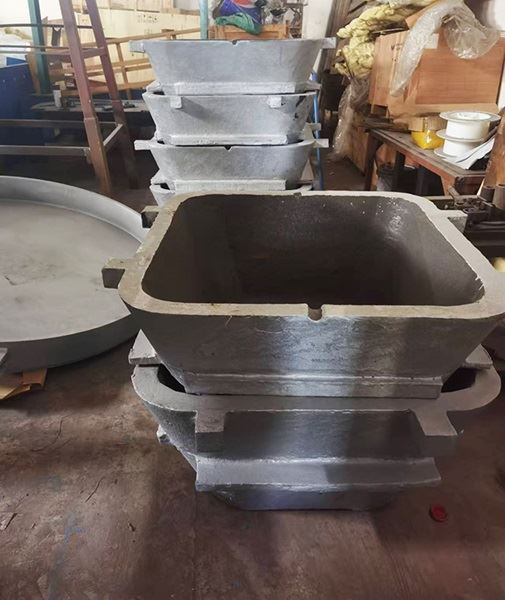

We also provide Copper Melting Mold for copper melting processes, which can be used in conjunction with our Dross Skim Pans in some multi - metal melting operations. Our products are designed to improve the efficiency of the skimming process and reduce the overall production cost.
Conclusion
Determining the best time to skim dross with a Dross Skim Pan is a complex decision that depends on various factors such as furnace type, raw material quality, and production schedule. Early - stage skimming can recover valuable metal, mid - stage skimming offers a good balance of efficiency and impurity removal, and late - stage skimming can ensure high - purity molten metal.
If you are in the aluminum or metal production industry and are looking for high - quality Dross Skim Pans and related products, we are here to help. Our team of experts can provide you with professional advice on the best skimming time and the most suitable products for your specific production needs. Contact us today to start a procurement discussion and take your metal production process to the next level.
References
- "Handbook of Aluminum Production Technology" by various authors
- Industry reports on metal melting and dross treatment processes.