

The size of the feed materials in a ball mill plays a crucial role in determining the wear rate of the mill's wear parts. As a reputable Ball Mill Wear Parts supplier, we've witnessed firsthand the impact that feed size can have on the longevity and performance of these essential components. In this blog, we'll delve into the science behind this relationship and explore how understanding feed size can help you optimize your ball mill operations.
The Basics of Ball Mill Operation
Before we dive into the impact of feed size, let's briefly review how a ball mill works. A ball mill is a cylindrical device used in grinding or mixing materials like ores, chemicals, ceramic raw materials, and paints. It consists of a hollow cylindrical shell rotating about its axis. The axis of the shell may be either horizontal or at a small angle to the horizontal. It is partially filled with balls, usually made of steel or ceramic, which act as grinding media. As the shell rotates, the balls are lifted up on the rising side of the shell and then cascade down, crushing and grinding the material between them.
How Feed Size Affects Wear
The feed size of the materials entering the ball mill can significantly influence the wear of the mill's wear parts, such as liners and grinding balls. Here's how:
1. Impact and Abrasion
Larger feed sizes generally result in more significant impact forces when the balls collide with the material. This increased impact can lead to more rapid wear of the liners and grinding balls. The liners, which protect the mill shell from the abrasive action of the material and the grinding media, are particularly susceptible to this type of wear. Over time, the repeated impact can cause the liners to crack, chip, or wear down unevenly, reducing their effectiveness and lifespan.
On the other hand, smaller feed sizes require less energy to grind and generate less impact force. This can result in less wear on the liners and grinding balls, potentially extending their service life. However, if the feed size is too small, it can lead to increased abrasion as the fine particles can act like sandpaper, gradually wearing away the surfaces of the wear parts.
2. Grinding Efficiency
The feed size also affects the grinding efficiency of the ball mill. If the feed size is too large, the mill may not be able to grind the material effectively, leading to longer grinding times and increased energy consumption. This can also put additional stress on the wear parts, as they have to work harder to break down the large particles. Conversely, if the feed size is too small, the mill may over-grind the material, which can also be inefficient and increase wear on the wear parts.
3. Distribution of Grinding Media
The feed size can influence the distribution of the grinding media within the mill. Larger feed sizes may cause the grinding balls to cluster around the larger particles, leading to uneven wear on the liners and grinding balls. This can result in localized wear spots and reduce the overall performance of the mill. Smaller feed sizes, on the other hand, tend to promote a more even distribution of the grinding media, which can help to reduce wear and improve grinding efficiency.
Choosing the Right Wear Parts for Different Feed Sizes
As a Ball Mill Wear Parts supplier, we understand the importance of choosing the right wear parts for your specific application. Depending on the feed size of your materials, you may need to select different types of liners and grinding balls to optimize performance and minimize wear.
Liners
For applications with larger feed sizes, we recommend using Chrome Moly Steel Mill Liners. These liners are made from a high-strength alloy that can withstand the high impact forces generated by the large particles. They also offer excellent abrasion resistance, ensuring a long service life even in the most demanding environments.
For smaller feed sizes, Chromium Alloy Steel Mill Liners may be a better choice. These liners are designed to provide a smooth surface for grinding, reducing the risk of over-grinding and minimizing wear on the grinding media. They also offer good corrosion resistance, making them suitable for use in wet grinding applications.
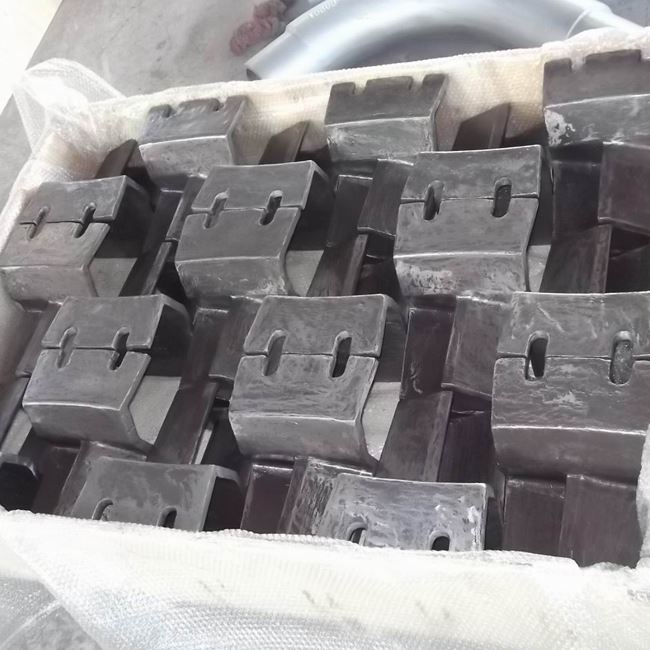
In general, Ball Mill Liners come in a variety of shapes and sizes to suit different mill designs and applications. Our team of experts can help you select the right liners for your specific needs, ensuring optimal performance and longevity.
Grinding Balls
The choice of grinding balls also depends on the feed size of the materials. For larger feed sizes, we recommend using larger diameter grinding balls. These balls have more mass and can generate greater impact forces, making them more effective at breaking down the large particles. However, larger balls also tend to wear more quickly, so it's important to monitor their condition regularly and replace them as needed.
For smaller feed sizes, smaller diameter grinding balls may be more appropriate. These balls offer better grinding efficiency and can produce a finer product. They also tend to wear more evenly, reducing the risk of uneven wear on the liners.

Optimizing Feed Size for Reduced Wear
To minimize the wear of your ball mill wear parts, it's important to optimize the feed size of the materials entering the mill. Here are some tips to help you achieve this:
1. Pre-Grinding
Consider using a pre-grinding process to reduce the feed size of the materials before they enter the ball mill. This can help to improve the grinding efficiency of the mill and reduce the wear on the wear parts. There are several types of pre-grinding equipment available, such as crushers and roller presses, which can be used to break down the large particles into smaller ones.
2. Screen Analysis
Regularly perform screen analysis on the feed materials to ensure that the particle size distribution is within the optimal range for your ball mill. This can help you identify any issues with the feed size and make adjustments as needed. You can use a variety of screening equipment, such as vibrating screens and trommels, to separate the particles based on their size.
3. Process Control
Implement a process control system to monitor and adjust the feed rate and feed size of the materials entering the ball mill. This can help to ensure that the mill is operating at its optimal performance and minimize the wear on the wear parts. You can use sensors and controllers to measure the feed rate and particle size and make automatic adjustments as needed.
Conclusion
The feed size of the materials entering the ball mill has a significant impact on the wear of the mill's wear parts. By understanding this relationship and taking steps to optimize the feed size, you can extend the service life of your wear parts, improve the grinding efficiency of the mill, and reduce your overall operating costs.
As a leading Ball Mill Wear Parts supplier, we have the expertise and experience to help you select the right wear parts for your specific application and provide you with the support and guidance you need to optimize your ball mill operations. If you have any questions or need further information, please don't hesitate to contact us. We look forward to working with you to achieve your goals.
References
- Bond, F. C. (1952). The third theory of comminution. Transactions of the American Institute of Mining, Metallurgical, and Petroleum Engineers, 193, 484-494.
- Austin, L. G., & Brame, C. J. (1972). Modeling of batch grinding in ball mills. Powder Technology, 5(2), 121-130.
- King, R. P. (2001). Introduction to mineral processing. Butterworth-Heinemann.