

Hey there! As a slag bin supplier, I often get asked about the surface treatment methods for slag bins. In this blog post, I'm gonna break down the different surface treatment options available, explain why they're important, and how they can enhance the performance and lifespan of your slag bins.
First off, let's talk about why surface treatment is so crucial for slag bins. Slag bins are constantly exposed to harsh conditions, including high temperatures, abrasive materials, and corrosive substances. Without proper surface treatment, these factors can quickly wear down the bin's surface, leading to premature failure, increased maintenance costs, and potential safety hazards. Surface treatment helps to protect the bin from these elements, improving its durability, resistance to wear and corrosion, and overall performance.
One of the most common surface treatment methods for slag bins is painting. Painting provides a protective barrier between the bin's surface and the environment, preventing corrosion and reducing the effects of abrasion. There are several types of paints available for slag bin applications, each with its own unique properties and benefits. For example, epoxy paints are known for their excellent chemical resistance and adhesion, making them ideal for use in harsh industrial environments. Polyurethane paints, on the other hand, offer superior flexibility and durability, making them a good choice for bins that are subject to frequent movement or vibration.
When choosing a paint for your slag bin, it's important to consider the specific requirements of your application. Factors such as the type of slag being handled, the operating temperature, and the level of exposure to corrosive substances will all play a role in determining the best paint for the job. It's also important to ensure that the paint is applied properly, following the manufacturer's instructions and using the appropriate equipment.
Another popular surface treatment method for slag bins is galvanizing. Galvanizing involves coating the bin's surface with a layer of zinc, which provides a sacrificial barrier against corrosion. Zinc is a highly reactive metal that will corrode before the underlying steel, protecting the bin from rust and other forms of corrosion. Galvanizing is a cost-effective and long-lasting surface treatment option that can significantly extend the lifespan of your slag bin.
There are two main types of galvanizing: hot-dip galvanizing and electro-galvanizing. Hot-dip galvanizing involves immersing the bin in a bath of molten zinc, which creates a thick, durable coating that is highly resistant to corrosion. Electro-galvanizing, on the other hand, involves applying a thin layer of zinc to the bin's surface using an electric current. While electro-galvanizing is a less expensive option, it provides a thinner coating that may not be as durable as hot-dip galvanizing.
In addition to painting and galvanizing, there are several other surface treatment methods that can be used to protect slag bins. These include ceramic coatings, rubber linings, and thermal spraying. Ceramic coatings offer excellent abrasion resistance and high-temperature performance, making them a good choice for bins that are exposed to abrasive materials or high temperatures. Rubber linings provide a flexible and durable barrier against corrosion and abrasion, while thermal spraying involves applying a layer of metal or ceramic to the bin's surface using a high-velocity spray gun.
When choosing a surface treatment method for your slag bin, it's important to consider the specific requirements of your application, as well as your budget and maintenance schedule. Each surface treatment method has its own unique advantages and disadvantages, and the best option for you will depend on a variety of factors.

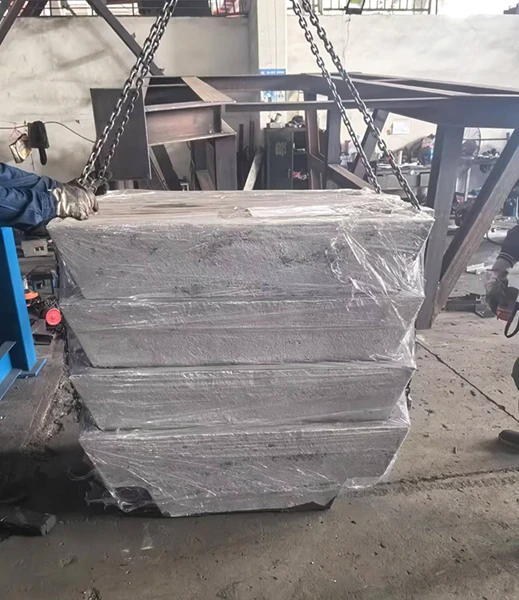
Now, let's talk about some of the other products we offer as a slag bin supplier. In addition to slag bins, we also provide a range of other steel castings, including Alloy Steel Sow Mold, Heat Treatment Baskets, and Copper Melting Mold. These products are all designed to meet the specific needs of the aluminum production industry, and they are manufactured using high-quality materials and advanced manufacturing techniques to ensure superior performance and durability.
Our Alloy Steel Sow Molds are designed to provide a reliable and efficient way to cast molten steel into sow ingots. They are made from high-quality alloy steel, which offers excellent strength, toughness, and heat resistance. Our Heat Treatment Baskets are used to hold parts during the heat treatment process, providing a safe and secure way to transport and process parts. They are available in a variety of sizes and configurations to meet the specific needs of your application. Our Copper Melting Molds are designed to provide a precise and efficient way to melt and cast copper. They are made from high-quality materials and are available in a variety of shapes and sizes to meet the specific needs of your application.
If you're in the market for a slag bin or any of our other steel castings, we'd love to hear from you. We offer a wide range of products and services to meet the specific needs of our customers, and we're committed to providing the highest level of quality and customer service. Whether you're looking for a standard product or a custom solution, we have the expertise and experience to help you find the right product for your application.
So, if you're interested in learning more about our products or services, or if you have any questions or concerns, please don't hesitate to contact us. We're here to help you find the best solution for your needs, and we look forward to working with you.
References
- ASM Handbook Volume 5: Surface Engineering. ASM International.
- Corrosion Basics: An Introduction. NACE International.
- Paint and Coating Technology: Principles, Practices, and Trends. John Wiley & Sons.