

Hey there! I'm a supplier of low profile sow moulds, and I've been in this game for quite a while. Today, I wanna share some tips on how to optimize the performance of these low profile sow moulds.
First off, let's talk about what low profile sow moulds are. They're essential in the aluminum production process. These moulds are designed to cast aluminum sows, which are basically large blocks of aluminum. Low profile ones have their unique advantages, like taking up less space and being easier to handle in some cases.
Material Selection
The choice of material for your low profile sow mould is super important. You wanna go for materials that can withstand high temperatures and thermal cycling. Usually, high - quality cast iron or steel alloys are great options. Cast iron has good heat retention properties, which helps in the solidification process of the aluminum. Steel alloys, on the other hand, offer high strength and better resistance to wear and tear.
When you're selecting the material, make sure it has a good balance between thermal conductivity and mechanical strength. A material with high thermal conductivity will allow the aluminum to cool and solidify faster, but it also needs to be strong enough to handle the weight and pressure during the casting process.
Design Optimization
The design of the low profile sow mould can significantly impact its performance. One key aspect is the shape of the mould cavity. A well - designed cavity will ensure uniform cooling of the aluminum, which reduces the chances of defects like cracks and porosity.
The thickness of the mould walls also matters. If the walls are too thick, it can slow down the cooling process. But if they're too thin, the mould might not be strong enough. You need to find that sweet spot based on the size and weight of the sows you're casting.
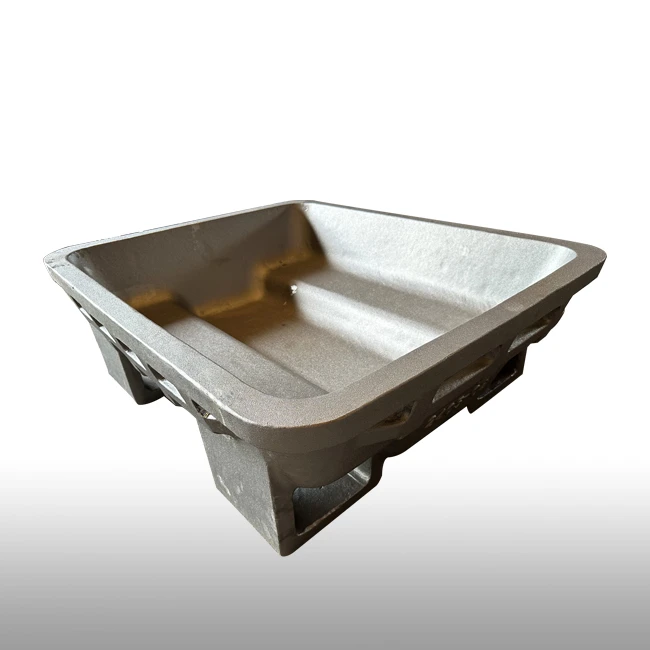
Another design consideration is the presence of features like forklift pockets. These are really handy for moving the moulds around the production facility. Check out our 2000lbs High Profile Sow Mold With Forklift Pocket for an example of how well - designed features can enhance usability.
Surface Treatment
A good surface treatment can do wonders for the performance of low profile sow moulds. One common treatment is coating the mould surface with a refractory material. This coating acts as a barrier between the hot aluminum and the mould, reducing the wear and tear on the mould.
It also helps in the release of the solidified aluminum sow. A smooth and well - coated surface makes it easier for the sow to come out of the mould without sticking. There are different types of refractory coatings available, and you need to choose the one that suits your specific production requirements.
Maintenance and Inspection
Regular maintenance and inspection are crucial for keeping your low profile sow moulds in top shape. After each use, clean the mould thoroughly to remove any residual aluminum or debris. This helps prevent build - up, which can affect the quality of the next cast.
Inspect the mould for any signs of damage, such as cracks, wear, or deformation. If you notice any issues, address them immediately. Minor repairs can often be done in - house, but for more serious damage, you might need to seek professional help.
Temperature Control
Controlling the temperature during the casting process is vital. You need to ensure that the mould is pre - heated to the right temperature before pouring in the aluminum. This helps in achieving a more uniform solidification and reduces the risk of thermal shock to the mould.
During the casting process, monitor the temperature of the aluminum and the mould. If the temperature is too high, it can cause excessive wear on the mould. If it's too low, the aluminum might not flow properly, leading to incomplete fills and other defects.
Training and Operator Skills
Your operators play a big role in optimizing the performance of low profile sow moulds. Make sure they're well - trained in the proper use and handling of the moulds. They should know how to set up the mould, pour the aluminum correctly, and carry out maintenance tasks.
A skilled operator can also detect early signs of problems and take appropriate action. Encourage your operators to share their experiences and ideas for improvement. This can lead to better processes and higher - quality castings.
Compatibility with Aluminum Alloy
Different aluminum alloys have different properties, and your low profile sow moulds need to be compatible with the specific alloy you're using. Some alloys might have a higher melting point or be more corrosive than others. You need to choose a mould material and surface treatment that can handle the characteristics of the alloy.
For example, if you're casting an alloy with a high copper content, you need to make sure the mould can resist the corrosion caused by the copper. This might involve using a more corrosion - resistant coating or a different type of mould material.
Cost - Benefit Analysis
When optimizing the performance of low profile sow moulds, it's important to consider the cost - benefit ratio. Some improvements, like using high - end materials or advanced surface treatments, can be expensive. You need to weigh the cost of these improvements against the benefits they bring, such as longer mould life, higher - quality castings, and increased productivity.
For instance, if a more expensive refractory coating can double the life of your mould, it might be worth the investment in the long run. But if the improvement is marginal and the cost is high, you might need to look for other ways to optimize performance.
Collaboration with Suppliers
As a low profile sow mould supplier, I know how important it is to have a good relationship with our customers. We're always here to offer advice on mould selection, maintenance, and optimization. If you're facing any issues with your moulds, don't hesitate to reach out.
We also keep up with the latest industry trends and technologies. For example, we offer Aluminum Sow Mould Casting services that use the latest techniques to ensure high - quality castings. And our Aluminum Sow Molds are designed to meet the diverse needs of the aluminum production industry.

In conclusion, optimizing the performance of low profile sow moulds involves a combination of factors, from material selection and design to maintenance and temperature control. By paying attention to these aspects, you can improve the quality of your castings, increase the lifespan of your moulds, and boost your overall productivity.
If you're interested in learning more about our low profile sow moulds or have any questions about optimizing their performance, feel free to get in touch. We're eager to discuss your specific requirements and help you find the best solutions for your aluminum production needs. Let's work together to take your production to the next level!
References
- "Aluminum Casting Technology Handbook"
- Industry reports on aluminum production and moulding techniques