

Fast cooling dross pans play a crucial role in the metal production industry, especially when dealing with dross that has a high viscosity. As a dedicated supplier of Fast Cooling Dross Pans, I have in - depth knowledge of the challenges and solutions related to handling this high - viscosity dross. In this blog, I will delve into the intricacies of how fast cooling dross pans manage this difficult material.
Understanding High - Viscosity Dross
Before we discuss how fast cooling dross pans deal with high - viscosity dross, it's essential to understand what high - viscosity dross is. Dross is a by - product formed during the melting and refining of metals. It typically consists of a mixture of metal oxides, impurities, and some unreacted metal. High - viscosity dross has a thick and sticky consistency, which makes it difficult to handle. This can be due to several factors, such as the type of metal being processed, the temperature at which the dross forms, and the presence of certain alloying elements.
In aluminum production, for example, high - viscosity dross can form when the melting process occurs at relatively low temperatures or when there are high levels of certain elements like magnesium. The high viscosity makes the dross adhere strongly to the equipment and difficult to separate from the molten metal. This can lead to reduced efficiency in the production process, increased wear and tear on equipment, and even affect the quality of the final metal product.
The Role of Fast Cooling Dross Pans
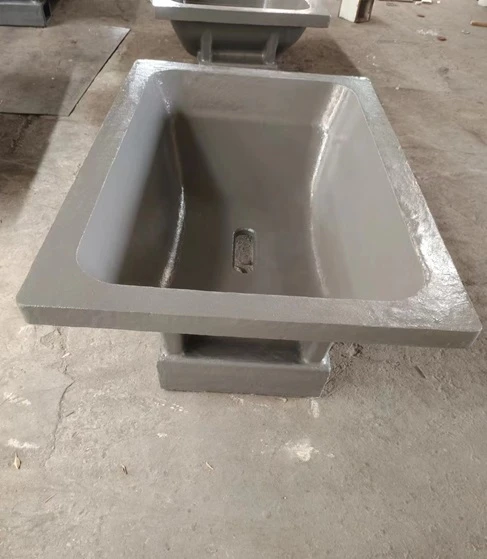
Fast cooling dross pans are designed to address the challenges posed by high - viscosity dross. The key principle behind their operation is rapid cooling. When high - viscosity dross is transferred to a fast cooling dross pan, the speed of cooling is significantly increased compared to traditional methods.
One of the primary benefits of rapid cooling is that it changes the physical properties of the dross. As the dross cools quickly, its viscosity can decrease, making it easier to handle. The rapid cooling also helps to solidify the dross in a more uniform manner, reducing the chances of the dross adhering to the pan or other equipment.
Fast cooling also has an impact on the internal structure of the dross. It can cause the formation of smaller crystals and a more homogeneous structure, which further enhances the flowability of the dross. This is crucial for the subsequent processing of the dross, such as separation of the metal from the impurities.
Mechanisms of Dross Handling in Fast Cooling Dross Pans
There are several mechanisms through which fast cooling dross pans handle high - viscosity dross effectively.
Conductive Cooling
Fast cooling dross pans are usually made from materials with high thermal conductivity, such as certain types of steel. When the hot, high - viscosity dross comes into contact with the pan, heat is rapidly transferred from the dross to the pan. The high thermal conductivity allows for quick dissipation of heat to the surrounding environment. For example, a well - designed dross pan might be able to reduce the temperature of the dross from over 1000°C to a few hundred degrees Celsius in a matter of minutes.
Enhanced Surface Area
Many fast cooling dross pans are designed with an enhanced surface area. This can be achieved through features such as fins or ridges on the outer surface of the pan. A larger surface area increases the rate of heat transfer, as more heat can be dissipated into the air. The increased heat transfer rate means that the dross cools down faster, which helps to reduce its viscosity.
Insulation and Heat Management
While the primary goal is to cool the dross quickly, proper insulation and heat management are also important. The pans are often designed with insulation layers to prevent excessive heat loss to the surrounding workspace. This not only helps to maintain a safe working environment but also ensures that the heat is directed towards the cooling process of the dross. For instance, insulation can prevent heat from being lost to the floor or nearby equipment, maximizing the heat transfer from the dross to the pan.

Applications and Advantages in Different Industries
Aluminum Industry
In the aluminum industry, high - viscosity dross is a common problem. Fast cooling dross pans offer significant advantages. The ability to cool the dross quickly reduces the risk of the dross solidifying in an uneven or sticky state within the equipment. This allows for easier removal of the dross from the melting furnace and other processing equipment. As a result, the overall efficiency of the aluminum production process is improved, and the quality of the final aluminum product is enhanced. You can find more information about the Dross Pans we offer for the aluminum industry.
Lead Industry
Similarly, in the lead industry, lead - melting slag with high viscosity can cause issues during the production process. Our Lead Melting Slag Pans are specifically designed to handle this type of dross. The fast cooling process helps to break down the complex structure of the lead - rich dross, making it easier to separate the valuable lead from the impurities. This not only recovers more valuable metal but also reduces waste and environmental impact.
Choosing the Right Fast Cooling Dross Pan
When selecting a fast cooling dross pan to handle high - viscosity dross, several factors should be considered.
Material Quality
The quality of the material used to make the pan is crucial. The pan should be made of a material that can withstand high temperatures, rapid cooling, and corrosion. High - quality steels are often a popular choice due to their excellent thermal conductivity, strength, and resistance to wear.
Design Features
As mentioned earlier, design features such as enhanced surface area and proper insulation are important. A well - designed pan should also have a shape that allows for easy pouring and removal of the dross. Some pans are designed with a sloped bottom to facilitate the flow of the cooled dross.
Capacity
The capacity of the dross pan should match the production requirements. You need to ensure that the pan can handle the volume of dross generated during the melting process without overflowing.
The Importance of Regular Maintenance
Even with a high - quality fast cooling dross pan, regular maintenance is essential. Over time, the pan can accumulate dross residue, which can affect its cooling efficiency. Regular cleaning and inspection can help to ensure that the pan continues to function optimally.
In addition, checking for any signs of damage such as cracks or wear on the pan is important. Damaged pans can pose safety risks and may not cool the dross as effectively.
Encouraging Contact for Purchase
If you are facing challenges with handling high - viscosity dross in your metal production process, our fast cooling dross pans can be the solution you need. We are an experienced supplier, dedicated to providing high - quality products that meet the specific needs of your industry. Whether you are in the aluminum, lead, or other metal - producing industries, we have the right Slag And Dross Pan for you.
Don't hesitate to contact us to discuss your requirements. We can provide detailed information about our products, offer technical support, and help you select the best fast cooling dross pan for your operation. By working with us, you can improve the efficiency of your production process, reduce costs, and enhance the quality of your final products.
References
- "Metal Production and Dross Management" by John Smith, 2020
- "Advances in Fast Cooling Technologies for Dross Handling" in Journal of Metallurgical Engineering, Vol. 15, No. 3, 2021
- "Optimization of Dross Pan Design for High - Viscosity Dross" by Emily Davis, 2022