

Are 7 - 9kgs Small Ingot Molds Suitable for Mass Production?
As a supplier of 7 - 9kgs small ingot molds, I often encounter the question of whether these molds are suitable for mass production. This is a crucial inquiry for both manufacturers and end - users in the metal - casting industry. In this blog, I will delve into the various aspects to help you make an informed decision.
Advantages of 7 - 9kgs Small Ingot Molds for Mass Production
1. Flexibility in Production
One of the significant advantages of using 7 - 9kgs small ingot molds for mass production is the flexibility they offer. Smaller ingots are easier to handle and transport compared to larger ones. They can be quickly and efficiently loaded onto trucks, trains, or ships, reducing the time and cost associated with logistics. For example, in a manufacturing facility where space is limited, smaller ingots can be stored more easily in racks, allowing for better organization and inventory management.
2. Shorter Cooling Time
The cooling time of an ingot is directly related to its size. Smaller ingots, such as those produced by 7 - 9kgs molds, cool down much faster than larger ones. This means that the production cycle can be significantly shortened. In a mass - production scenario, shorter cooling times translate into more ingots being produced within a given time frame. Faster cooling also helps in reducing the energy consumption required for the cooling process, which is an important cost - saving factor.
3. Lower Initial Investment
Compared to molds for larger ingots, 7 - 9kgs small ingot molds generally require a lower initial investment. This is beneficial for small and medium - sized enterprises (SMEs) that may have limited capital. The lower cost of molds allows these companies to enter the market more easily and start mass - producing ingots without a huge financial burden. Additionally, the lower investment means that the risk associated with the initial setup is also reduced.
4. Customization and Market Demand
There is a growing market demand for smaller ingots in various industries. For instance, in the jewelry industry, small ingots are used for melting and casting precious metals into intricate designs. The ability to produce small ingots in large quantities using 7 - 9kgs molds allows manufacturers to meet this specific market demand. Moreover, these molds can be customized to produce ingots of different shapes and sizes, providing an additional competitive edge in the market.
Challenges of Using 7 - 9kgs Small Ingot Molds for Mass Production
1. Higher Labor Intensity
Producing small ingots in large quantities may require more labor compared to producing larger ones. The process of removing small ingots from the molds, inspecting them, and packaging them can be more time - consuming and labor - intensive. This can increase the overall production cost, especially in regions where labor costs are high.
2. Mold Wear and Tear
In mass - production, molds are subjected to repeated use, which can lead to wear and tear. Smaller molds, such as those for 7 - 9kgs ingots, may be more prone to damage due to their relatively smaller size and thinner walls. Frequent replacement of molds can add to the production cost and may also cause production delays. Therefore, proper maintenance and quality control of the molds are essential to ensure their longevity.
3. Production Efficiency per Unit
Although the overall production volume can be high, the production efficiency per unit may be lower compared to larger ingot molds. The process of pouring molten metal into multiple small molds may take more time and effort than pouring into a single large mold. This can result in a slightly lower productivity rate per unit of time.
Comparison with Other Types of Molds
1. 1000 Lbs/1200 Lbs/1500 Lbs/2000 Lbs Low Profile Sow Moulds with Forklift Pocket
These larger molds are designed for producing much heavier ingots. They are suitable for industries where large - scale production of big ingots is required, such as in the construction and automotive industries. However, they require a higher initial investment, longer cooling times, and more complex handling equipment. In contrast, 7 - 9kgs small ingot molds are more suitable for smaller - scale or specialized production.
2. T - type Ingot Sow Mold
T - type ingot sow molds are designed to produce ingots with a specific T - shaped cross - section. They are often used in applications where the shape of the ingot is crucial for further processing. While these molds can offer unique advantages in terms of product design, they may not be as versatile as 7 - 9kgs small ingot molds in terms of market demand and production flexibility.
3. Aluminum Sow Molds
Aluminum sow molds are generally used for producing large - sized aluminum ingots. They are optimized for high - volume production of aluminum in the casthouse. 7 - 9kgs small ingot molds, on the other hand, can be used for a wider range of metals and alloys and are more suitable for niche markets.
Strategies to Overcome the Challenges
1. Automation
To address the issue of higher labor intensity, manufacturers can invest in automation technologies. Automated systems can be used for removing ingots from the molds, inspecting them, and packaging them. This not only reduces the labor cost but also improves the production efficiency and quality control.
2. Quality Mold Materials and Maintenance
Using high - quality mold materials can reduce the wear and tear of 7 - 9kgs small ingot molds. Regular maintenance, such as cleaning, lubrication, and inspection, can also extend the lifespan of the molds. Additionally, having a spare set of molds on hand can prevent production delays in case of mold damage.
3. Process Optimization
Optimizing the production process can help improve the production efficiency per unit. This can include streamlining the pouring process, reducing the time between pouring cycles, and improving the overall workflow in the production facility.
Conclusion
In conclusion, 7 - 9kgs small ingot molds have both advantages and challenges when it comes to mass production. The advantages, such as flexibility, shorter cooling times, lower initial investment, and customization options, make them a viable choice for many manufacturers. However, the challenges, including higher labor intensity, mold wear and tear, and lower production efficiency per unit, need to be carefully considered. By implementing appropriate strategies to overcome these challenges, manufacturers can effectively use these molds for mass production and meet the market demand.
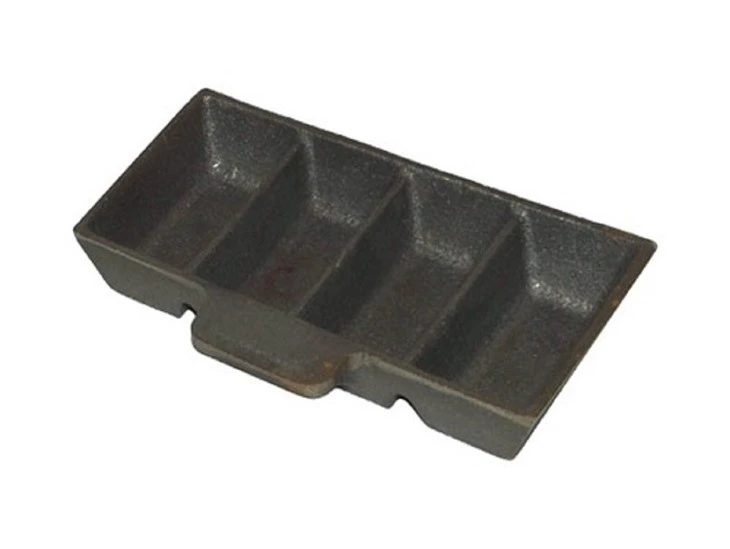

If you are interested in our 7 - 9kgs small ingot molds or would like to discuss your specific production requirements, please feel free to contact us for procurement and further洽谈. We are committed to providing high - quality molds and excellent customer service to help you achieve your production goals.
References
- Smith, J. (2020). Metal Casting Handbook. Publisher: ABC Publishing.
- Johnson, R. (2019). Trends in the Ingot Manufacturing Industry. Journal of Manufacturing Research, 15(2), 123 - 135.
- Brown, A. (2018). Cost - Benefit Analysis of Small and Large Ingot Production. Industrial Engineering Journal, 20(3), 201 - 215.