

We provided casting equipment for the aluminum industry for more than 20 years, customizing various specifications of aluminum dross pan, sow mold, dross press and so on according to customer needs. Its choice not only affects the production efficiency, but also affects the entire casting process, choosing the best and most suitable euipment is one of the important factors to improve the economic benefits of enterprises.
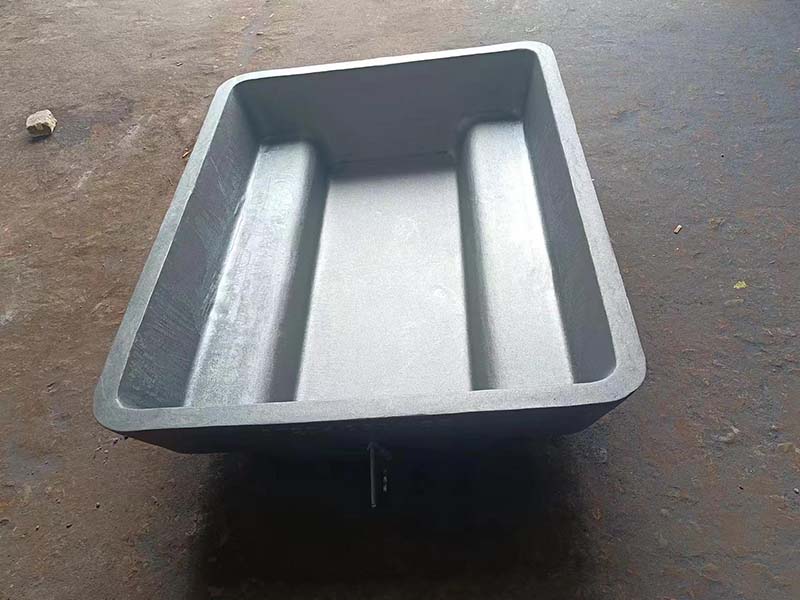
Types of Molds for Aluminum Casting
1. Sand Molds
Description: Sand molds are one of the oldest and most commonly used sow molds in aluminum casting. They are created by packing sand around a pattern, forming a cavity that is then filled with molten aluminum.
Pros: Cost-effective, suitable for complex shapes, and easy to modify.
Cons: Limited to low to medium production runs, may result in a rough surface finish.
2. Permanent Molds
Description: Permanent molds, typically made of steel or iron, are designed for repeated use. They are pre-engineered with cavities and can withstand multiple casting cycles.
Pros: Longer lifespan, better surface finish compared to sand molds, suitable for higher production volumes.
Cons: Higher initial cost, limited flexibility for design changes.
3. Graphite Molds
Description: Graphite molds are preferred for their excellent heat resistance and ability to produce intricate details. They are commonly used for small-scale and custom aluminum casting.
Pros: High thermal conductivity, good surface finish, ideal for detailed and small parts.
Cons: Limited to smaller production runs, can be fragile.
4. Investment Molds (Lost Wax Process)
Description: Investment molds involve creating a wax pattern, coating it with a ceramic shell, and then burning out the wax before pouring in the molten aluminum.
Pros: Exceptional surface finish, intricate details, suitable for complex shapes.
Cons: Time-consuming process, higher cost, limited to smaller parts.
Factors Influencing Sow Mold Selection
1. Production Volume:
For high production volumes, permanent molds or die casting molds are often preferred due to their durability and efficiency.
For smaller batches or prototypes, sand molds or investment molds may be more suitable.
2. Part Complexity:
For intricate and detailed parts, graphite or investment molds are excellent choices as they can capture fine details with precision.
Simple and less complex parts may be well-suited for sand molds or permanent molds.
3. Surface Finish Requirements:
If a smooth surface finish is crucial, permanent molds or graphite molds are preferred over sand molds, which can result in a rougher finish.
4. Cost Considerations:
Budget constraints play a significant role in mold selection. Sand molds are generally more cost-effective for small production runs, while permanent molds and die casting molds are more expensive but offer long-term cost efficiency.
5. Material Compatibility:
Consider the material of the mold in relation to the aluminum alloy being used. Some alloys may react differently with specific mold materials, affecting the final product's quality.
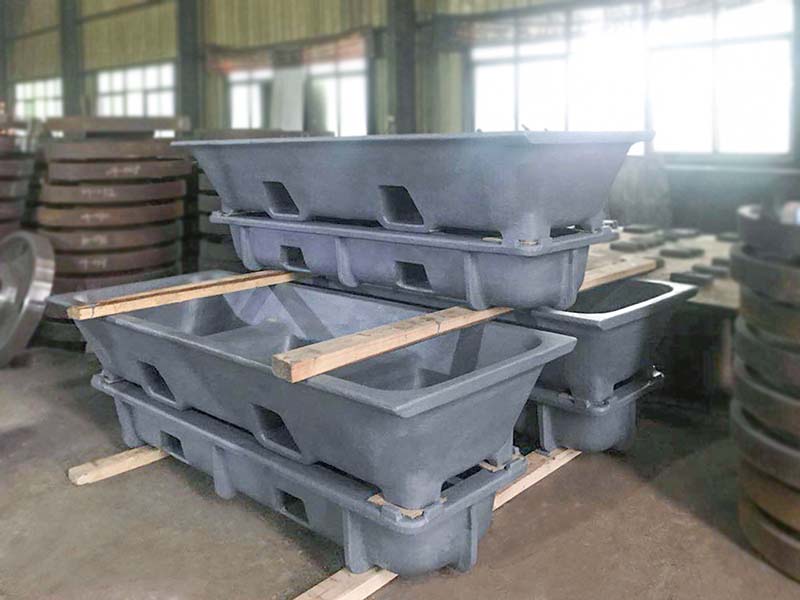
Conclusion
Choosing the best sow mold for casting aluminum is a critical decision that depends on various factors such as production volume, part complexity, surface finish requirements, cost considerations, and material compatibility. Each type of sow mold has its advantages and limitations, and selecting the right one requires a careful assessment of the specific needs of the project. Whether it's the timeless simplicity of sand molds or the precision of investment molds, understanding the nuances of each option is key to achieving successful and efficient aluminum casting results.
Contact us
86 029 87607185 86 029 87669660 86 029 87607180ext. 8003
Email:tech@huan-tai.org
Address:No.68, 2nd Keji Road Xian, China 710075