

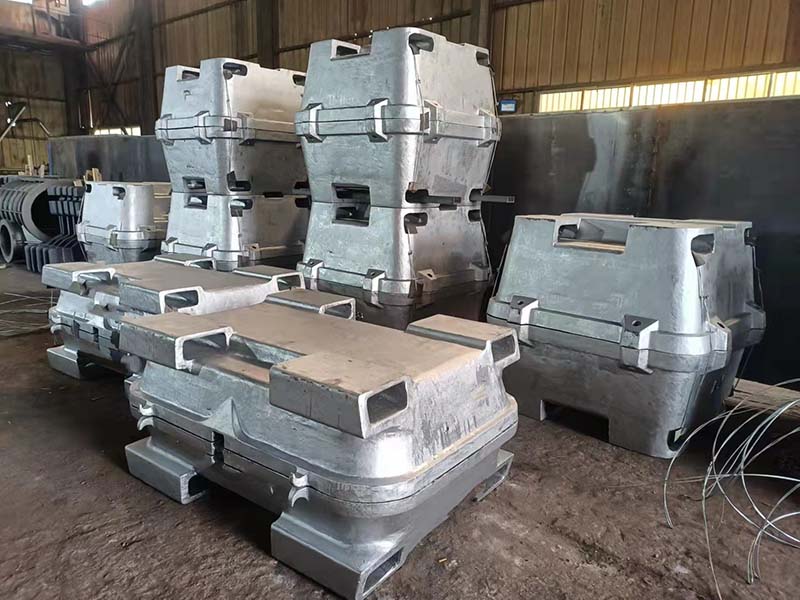
Sow mould helps to mold molten aluminum into the ideal form, usually there are various specifications, low profile and high profile sow mould, 1200lbs/1500lbs/2000/lbs sow mould, for material transportation. Sow mould is the most important equipment in the aluminum industry, foundries, metal smelters and other industries.
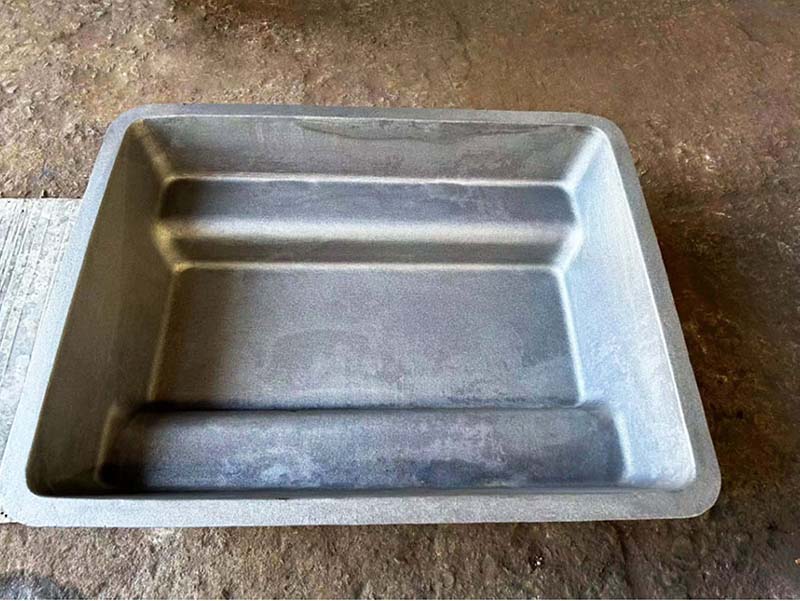
Factors Influencing Material Selection
1. Thermal Conductivity
The ability of a material to conduct heat efficiently is a critical factor in the performance of aluminum sow moulds. Aluminum, known for its excellent thermal conductivity, is a popular choice. This characteristic ensures uniform cooling of the molten metal, preventing uneven solidification and potential defects in the final product.
2. Strength and Durability
The demanding conditions of the casting process necessitate materials with high strength and durability. Aluminum sow moulds are subjected to extreme temperatures and mechanical stresses during repeated casting cycles. Choosing a material that can withstand these conditions is paramount to ensuring a longer lifespan and optimal performance.
3. Corrosion Resistance
Exposure to molten aluminum and other casting materials can lead to corrosion over time. A corrosion-resistant material, such as certain alloys and specially coated surfaces, is essential to maintaining the structural integrity of the sow mould. This, in turn, contributes to the production of high-quality aluminum ingots.
4. Machinability
The ease with which a material can be machined into intricate shapes and designs is another crucial consideration. Aluminum's inherent machinability makes it a preferred choice for sow moulds, allowing for the creation of precise and complex molds that meet the specific requirements of the casting process.
5. Cost-Efficiency
While performance characteristics are paramount, the cost of materials also plays a significant role in the decision-making process. Finding a balance between high-performance alloys and cost-effectiveness is crucial for ensuring the economic viability of the casting operation.
Impact on Casting Quality
The material choice for aluminum sow moulds directly influences the quality of the cast aluminum products. A well-designed and properly constructed sow mould not only enhances efficiency in the casting process but also minimizes the risk of defects and imperfections in the final ingots. The thermal stability provided by the selected material ensures consistent casting results, reducing the likelihood of issues such as shrinkage, porosity, and surface irregularities.
Innovation in Material Science
As technology advances, continuous innovations in material science offer new possibilities for improving the performance of aluminum sow moulds. Engineers and researchers are exploring advanced alloys and composite materials with enhanced properties, pushing the boundaries of what can be achieved in terms of thermal conductivity, strength, and durability. These advancements contribute to the overall efficiency and sustainability of aluminum casting processes.
Conclusion
The material selection for aluminum sow moulds is a critical aspect of the casting industry that significantly impacts the quality and efficiency of production processes. The careful consideration of factors such as thermal conductivity, strength, corrosion resistance, machinability, and cost-efficiency ensures the creation of sow moulds that meet the demands of modern casting operations. As technology continues to progress, ongoing innovations in material science will undoubtedly contribute to further improvements in the performance and sustainability of aluminum sow moulds, shaping the future of the casting industry.
Contact us
86 029 87607185 86 029 87669660 86 029 87607180ext. 8003
Email:tech@huan-tai.org
Address:No.68, 2nd Keji Road Xian, China 710075