

Aluminum Production
Before we dive into the specifics of aluminum ingot skim pots, it's important to have a basic understanding of aluminum production. Aluminum is the third most abundant element in the Earth's crust, making it an abundant and widely used material. It is lightweight, corrosion-resistant, and highly malleable, making it ideal for a wide range of applications, from aerospace to packaging.
The primary method of aluminum production is through the Hall-Héroult process, which involves the electrolysis of aluminum oxide (alumina) extracted from bauxite ore. This process takes place in aluminum smelters, where aluminum is produced in the form of primary aluminum ingots.
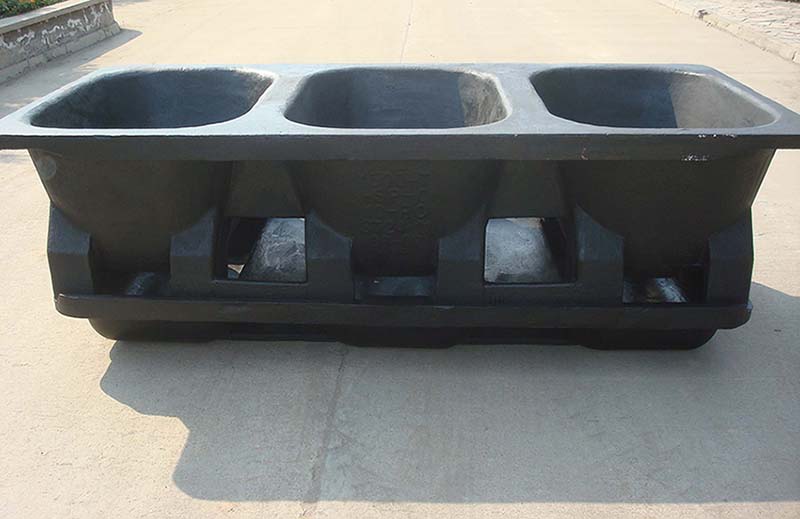
The Role of Aluminum Ingot Skim Pot
The aluminum ingot skim pot, sometimes simply referred to as the skim pot, is a specialized container used in the aluminum smelting process. Its primary purpose is to remove impurities and dross from the molten aluminum before it is cast into ingots. Let's take a closer look at the key functions of the skim pot:
1. Dross Removal: During the smelting process, impurities and oxides, collectively known as dross, can form on the surface of the molten aluminum. This dross negatively impacts the quality of the final product. The skim pot is designed to skim off and collect this dross, leaving behind pure, high-quality molten aluminum.
2. Temperature Control: Maintaining the correct temperature is crucial in aluminum smelting. The skim pot helps regulate the temperature of the molten aluminum, ensuring it remains within the desired range for casting into ingots. This control is essential for producing aluminum with consistent properties.
3. Separation of Impurities: Apart from dross, other impurities like aluminum oxide and non-metallic inclusions can be present in the molten aluminum. The skim pot facilitates the separation of these impurities, enhancing the overall purity of the aluminum.
Design and Construction
Aluminum ingot skim pots are designed with precision to fulfill their critical roles in the aluminum production process. Various factors are taken into consideration during their design and construction:
Material: Skim pots are typically made from high-quality refractory materials that can withstand the extreme temperatures of the aluminum smelting process. Common materials include graphite, silicon carbide, and refractory bricks. These materials offer excellent heat resistance and durability.
Shape and Size: Skim pots come in various shapes and sizes, depending on the specific requirements of the smelting operation. The most common shapes are cylindrical and rectangular. The size of the skim pot is determined by the capacity needed to remove dross and maintain temperature control effectively.
Insulation: Insulating materials are often used to line the interior of the skim pot. This insulation helps conserve heat and maintain a stable temperature within the pot, reducing energy consumption and improving efficiency.
Operation and Maintenance
◎To ensure the effectiveness of aluminum ingot skim pots, proper operation and maintenance are essential. Here are some key considerations:
◎Skimming Process: Skimming is the process of removing dross from the surface of the molten aluminum. It is typically done using specialized tools such as skimming paddles or mechanical skimmers. The frequency of skimming depends on the rate of dross formation, which varies with the type of aluminum being produced.
◎Temperature Control: Skim pots are equipped with temperature monitoring and control systems to ensure that the molten aluminum remains at the desired temperature range. Regular calibration and maintenance of these systems are crucial for consistent aluminum quality.
◎Cleaning and Maintenance: Over time, the interior lining of the skim pot may deteriorate due to exposure to extreme heat and corrosive materials. Regular inspection and maintenance, including relining if necessary, are vital to prolong the life of the skim pot.
Advancements in Skim Pot Technology
The aluminum industry is not stagnant, and advancements in technology are continuously improving the efficiency and sustainability of aluminum production. Some recent developments related to skim pots include:
◆Automation: Automation and robotics are being increasingly integrated into aluminum smelting processes, including skim pot operation. Automated skimming systems can enhance efficiency and reduce the need for manual labor in a high-temperature environment.
◆Energy Efficiency: New materials and designs are being explored to improve the energy efficiency of skim pots. This includes better insulation materials and more efficient heating elements.
◆Data Analytics: Data analytics and predictive maintenance tools are being used to monitor the condition of skim pots and predict when maintenance is required. This can help prevent unplanned downtime and optimize production schedules.
Environmental Impact and Sustainability
Sustainability is a growing concern in the aluminum industry. Aluminum ingot skim pots play a role in minimizing the environmental impact in several ways:
◎Waste Reduction: By effectively removing dross and impurities, skim pots contribute to reducing waste and increasing the yield of high-quality aluminum.
◎Energy Efficiency: Improvements in skim pot design and insulation contribute to reduced energy consumption, lowering the carbon footprint of aluminum production.
◎Recycling: Skim pot materials, especially refractories, are increasingly being designed for recyclability, reducing the environmental impact of their disposal.
In conclusion, the aluminum ingot skim pot is an unsung hero in the aluminum production process. It plays a vital role in ensuring the purity, quality, and sustainability of aluminum production. From its design and construction to its operation and maintenance, every aspect of the skim pot is carefully considered to optimize its performance. As technology advances, the role of skim pots continues to evolve, contributing to more efficient and environmentally friendly aluminum production processes. The aluminum ingot skim pot may be unassuming, but its impact on the aluminum industry is nothing short of remarkable.
Contact us
86 029 87607185 86029 87669660 86 029 87607180 ext. 8003
Email: Tech@huan-tai.org
Address:No.68, 2nd Keji Road Xian, China 710075