

The design of the sow molds with multiple chambers takes into account the optimization of the flow of aluminum water, so as to ensure uniformity during filling and cooling, and produce high-quality aluminum blocks. And each chamber has a feed and discharge port, which reduces the aluminum water cooling time while working smoothly, and the sow molds with multiple chambers can simultaneously process multiple aluminum water blocks, reducing the production time and human resource needs, which brings significant economic benefits to the foundry. Next, we will talk about the advantages of sow molds with multiple chambers.
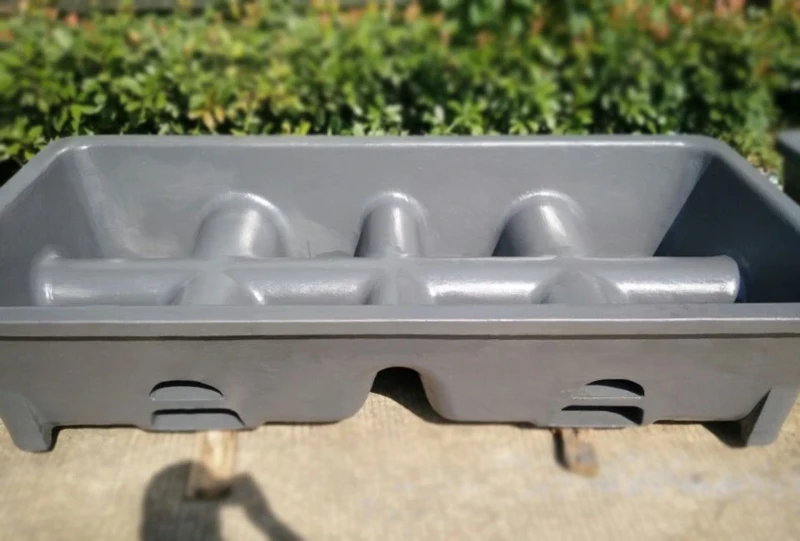
How Does a sow molds with multiple chambers Work?
A multi-cavity sow mold is a specialized type of mold that contains two or more mold impressions within the cope and drag. Here is a breakdown of how a Sow Molds With Multiple Chambers works:
Multiple Mold Impressions: Dissimilar to single-pit molds, which produce one projecting per shape, a multi-cavity sow mold has a few shape impressions organized in a particular design. This design advances dispersing between the cavities, taking into account effective utilization of room and limiting the general size of the mold.
Uniform Feeding System: To ensure consistent metal flow to each cavity, a single sprue and runner system is used to feed all the cavities in the mold. The sprue fills in as the principal channel through which the liquid metal enters the mold, while the sprinters appropriate the metal to every individual cavity.
Distribution of Metal: Ingates, which are small openings leading into each cavity, are strategically placed to distribute the molten metal evenly across all the mold impressions. This ensures that each cavity is filled uniformly, resulting in consistent casting quality.
Proper Venting: Satisfactory venting is significant in sow molds with multiple chambers to permit gases to escape from all areas of the mold. Properly designed vents help prevent defects such as gas porosity and ensure the quality of the castings.
Efficient Extraction: When the metal has set and the projecting system is finished, the castings are extricated from the mold. In some production operations, this process is automated, utilizing machinery or robots to remove the castings from the mold efficiently.
By utilizing a sow molds with multiple chambers, manufacturers can significantly increase productivity by producing multiple quality castings in a single casting cycle. The use of a uniform feeding system, proper metal distribution, and effective venting ensures consistent casting quality across all cavities.
What Productivity Benefits Do Multi-Cavity Molds Offer?
The fundamental benefit of utilizing multi-cavity molds is the tremendous lift in proficiency and result appeared differently in relation to single-cavity molds. Here are the key productivity advantages of Sow Molds With Multiple Chambers:
Increased Output: Multi-cavity molds consider the concurrent creation of various castings in a single mold, prompting a significant expansion in yield. For example, a 4-cavity mold might possibly create four fold the number of castings as a single-cavity mold inside a similar handling time and work venture.
Reduced Molding Time: With multiple cavities being filled simultaneously, the general trim time per projecting is decreased in multi-cavity molds. This efficiency improvement contributes to faster cycle times and enhanced production throughput.
Optimized Melting Furnace Time: Multi-cavity molds help minimize the time required for melting metal in the furnace per piece produced. The ability to cast several parts in one cycle results in more efficient utilization of melting equipment and energy resources.
Decreased Finishing Labor: By producing multiple castings in a single mold, multi-cavity molds reduce the amount of finishing labor required per part. This leads to savings in labor costs and streamlines the post-casting processing stage.
Accelerated Pattern Cost Amortization: The higher production volume achievable with multi-cavity molds allows for faster amortization of pattern costs over a larger number of castings. This cost efficiency benefit enhances the overall profitability of casting operations.
Mass Production Capability: Multi-cavity molds are appropriate for high-volume creation situations where fast result is pivotal. The capacity to efficiently manufacture various quality castings in more limited time periods empowers makers to satisfy need productively and really.
In summary, the use of multi-cavity molds offers substantial productivity benefits, including increased output, reduced molding time, optimized furnace utilization, decreased finishing labor, accelerated pattern cost recovery, and enhanced capabilities for mass production. These advantages make multi-cavity molds a valuable asset for enhancing efficiency and competitiveness in casting operations.
What Are Key Design Considerations for Sow Molds with Multiple Chambers?
The successful implementation of sow molds with multiple chambers relies on meticulous design considerations to maximize their advantages. Here are the key plan components that should be considered:
Balanced Flow Paths and Ingate Sizing: It is crucial to establish balanced flow paths and appropriately sized ingates to prevent premature freezing of the molten metal within the cavities. This ensures uniform filling of all impressions and prevents defects such as incomplete castings.
Adequate Vents for Gases: Proper venting arrangements must be incorporated to facilitate the escape of gases from all impressions. Compelling venting forestalls gas-related absconds, like porosity, and guarantees the trustworthiness of the castings in every cavity.
Strategic Placement of Risers and Chillers: Risers and chillers should be strategically positioned to effectively feed all cavities, promoting consistent solidification and reducing the likelihood of shrinkage-related defects. This ensures uniform cooling and solidification across all mold impressions.
Enhanced Rigidity: Multi-cavity molds should be planned with expanded inflexibility to endure the strain applied by the liquid metal on different fronts. This underlying dependability is fundamental for keeping up with the respectability of the mold during the projecting system.
Accounting for Higher Shrinkage Strains: The plan ought to represent higher shrinkage strains coming about because of different problem areas inside the mold. By taking into account these variables, the gamble of shrinkage-related absconds, like breaks or twisting, can be alleviated.
Standardized Impressions for Quality Consistency: Standardizing the impressions across all cavities ensures consistency in the quality of the castings. This includes maintaining consistent dimensions, surface finishes, and other critical characteristics.
Clean Parting Lines for Mold Separation: Designing easy parting lines facilitates clean separation of the mold halves during the extraction of the castings. This simplifies the demolding process and contributes to overall efficiency.
Thoughtful and thorough design is essential to ensure the production of sound castings across each cavity without defects. Utilizing advanced simulation and modeling tools can aid in optimizing the layout and configuration of Sow Molds With Multiple Chambers, ultimately contributing to their successful implementation and performance.
What Are Limitations of Sow Molds with Multiple Chambers?
While multi-cavity molds offer critical advantages, they likewise accompany specific impediments that should be thought of:
Increased Complexity in Design: One restriction of multi-cavity sow molds is the uplifted intricacy in planning gating, venting, and taking care of frameworks for multiple cavities. Ensuring uniform metal flow and solidification across all cavities requires careful engineering and meticulous design considerations.
Higher Defect Rates: Assuming any segment of the mold is under-filled or starved during the projecting system, it can prompt higher imperfection rates in the created parts. Keeping up with reliable filling and hardening in all pits is fundamental to stay away from imperfections like shrinkage, porosity, or deficient castings.
Costs of Larger Tooling: The creation of multi-cavity molds regularly includes bigger tooling and molds, which can bring about higher assembling costs contrasted with single-cavity molds. The underlying interest in tooling and gear might be significant, affecting the general expense of creation.
Difficulty in Producing Varied Castings: Multi-cavity molds may face challenges in producing varied castings in each cavity simultaneously. The design limitations and requirements for uniformity across all cavities can restrict the flexibility to create diverse parts within the same mold.
Potential for Thermal Imbalances: Warm irregular characteristics inside multi-cavity molds can prompt lopsided cooling and hardening of the liquid metal, bringing about interior burdens and layered errors in the castings. Overseeing warm elements across various segments presents a critical test.
Size and Weight Limitations: Multi-cavity sow molds could have constraints on the size and weight of puzzling parts that can be effectively made. Large, intricate components may pose challenges in terms of mold design, material flow, and structural integrity across multiple cavities.
Control of Metal Properties: Guaranteeing steady metal properties, like temperature, organization, and mechanical qualities, across all segments of a multi-cavity mold can challenge. Varieties in metal properties might affect the quality and execution of the castings.
Addressing these limitations requires additional engineering effort, meticulous process control, and careful consideration of production needs and part designs. Assessing the feasibility and practicality of employing multi-cavity sow molds is essential to maximize their benefits while mitigating potential challenges and limitations.
Conclusion
For medium to high production volumes, Sow Molds With Multiple Chambers boost productivity and efficiency substantially. However, designers must account for the complexities of balancing multiple impressions and mitigate potential defects through simulation and rigor. When implemented successfully, multi-cavity molds result in significant gains for foundries aiming to increase output while reducing costs. If want to know more about our sow molds, contact us at tech@huan-org.
References:
Beeley, P. (2001). Foundry technology. Oxford, Boston: Butterworth-Heinemann.
Brown, J.R. (2000). Foseco ferrous foundryman's handbook. Oxford, Boston: Butterworth-Heinemann.
Jain, P.L. (2009). Principles of foundry technology. New Delhi: Tata McGraw-Hill Education.
Jones, S. (2002). Advances in shell moulding materials and processes. Transactions of the Institute of Marine Engineers, 114(2), 77-83.
Kalpakjian, S. & Schmid, S.R. (2014). Manufacturing engineering and technology. Upper Saddle River, NJ: Pearson.
Contact us
Tel: 86 029 87608173
Email:Tech@huan-tai.org
Address:No.68, 2nd Keji Road Xian, China 710075