

Sow molds are a critical component in the production of aluminum ingots in smelters. They shape and form molten aluminum into the desired configurations, setting the foundation for downstream manufacturing processes. Traditional sow molds have relied on various cooling methods, but the advent of air-cooled technology has brought about a paradigm shift in the industry.
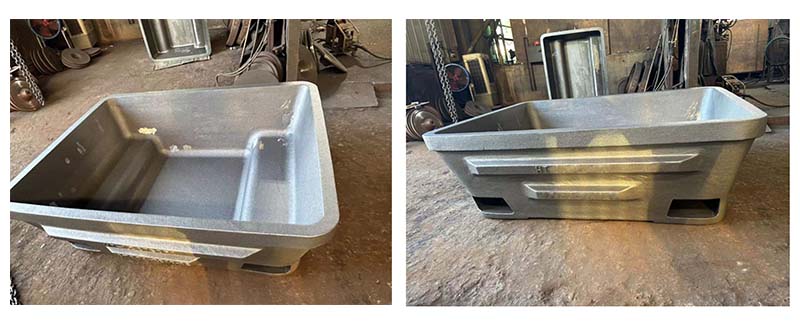
The Essence of Air-Cooling Technology
Air-cooled aluminum sow molds leverage innovative cooling mechanisms to enhance the efficiency of the casting process. Unlike conventional water-cooled molds, which necessitate complex cooling systems, air-cooled molds harness the natural properties of air to dissipate heat effectively. This not only simplifies the overall mold design but also reduces energy consumption and maintenance requirements.
Advantages of Air-Cooled Aluminum Sow Molds
1. Improved Energy Efficiency
The use of air as a cooling medium eliminates the need for water circulation systems, reducing energy consumption significantly. This not only leads to cost savings but also aligns with the growing emphasis on sustainable and eco-friendly foundry practices.
2. Enhanced Casting Speed
Air-cooled molds facilitate faster heat dissipation, allowing for quicker solidification of molten aluminum. This, in turn, increases casting speed, improving overall production rates and reducing cycle times.
3. Simplified Maintenance
The elimination of water-related components simplifies the maintenance requirements of air-cooled molds. This results in reduced downtime and increased operational efficiency, making them an attractive choice for foundries aiming for continuous production.
4. Optimized Mold Design
The inherent properties of air as a cooling medium enable the creation of streamlined and efficient mold designs. This not only enhances the casting process but also provides foundries with greater flexibility in shaping the final product.
5. Minimized Environmental Impact
By eliminating the need for water cooling, air-cooled aluminum sow molds contribute to a reduced environmental footprint. This aligns with global initiatives to create more sustainable industrial practices, making these molds a responsible choice for environmentally conscious foundries.
Challenges and Solutions
While air-cooled aluminum sow molds present numerous advantages, they are not without challenges. One primary concern is the potential for uneven cooling, leading to defects in the cast aluminum. However, ongoing research and development efforts are addressing these issues through advanced design modifications and temperature control systems.
Case Studies
Several foundries around the world have successfully adopted air-cooled aluminum sow molds, showcasing the practical benefits of this technology. Case studies from these facilities highlight improvements in energy efficiency, casting quality, and overall operational excellence.
Future Trends and Innovations
The field of foundry technology is dynamic, with continuous advancements on the horizon. Future trends may include the integration of smart sensors for real-time monitoring, further optimization of cooling mechanisms, and the exploration of new materials for mold construction. These innovations aim to push the boundaries of efficiency and sustainability in the casting industry.
Conclusion
The air-cooled aluminum sow mold represents the continuous innovation of our casting technology, because the sow mold needs to have a certain resistance to impact resistance, the environment to adapt to is harsh, so in the structural design, process and materials need strict control and innovation with The Times, to help customers reduce costs and improve efficiency is our mission.
Contact us
86 029 87607185,86 029 87669660, 86 029 87607180 ext. 8003
Email: Tech@huan-tai.org
Address:No.68, 2nd Keji Road Xian, China 710075