

Aluminum Casting Sow Molds
Before delving into the intricacies of aluminum casting sow molds, let's establish a foundational understanding of what they are and how they fit into the larger landscape of metal casting.
1. What is Aluminum Casting?
Aluminum casting is a manufacturing process that involves pouring molten aluminum into a mold to create complex and intricate shapes. It is widely used in various industries due to aluminum's excellent properties, including its lightweight nature, corrosion resistance, and exceptional heat conductivity.
2. The Role of Sow Molds
Sow molds are crucial components in aluminum casting. They are specialized molds designed to produce a particular shape or form of aluminum product. These molds vary in size and complexity, depending on the final product's requirements. Sow molds serve as the foundation for the casting process, shaping the molten aluminum into the desired configuration.
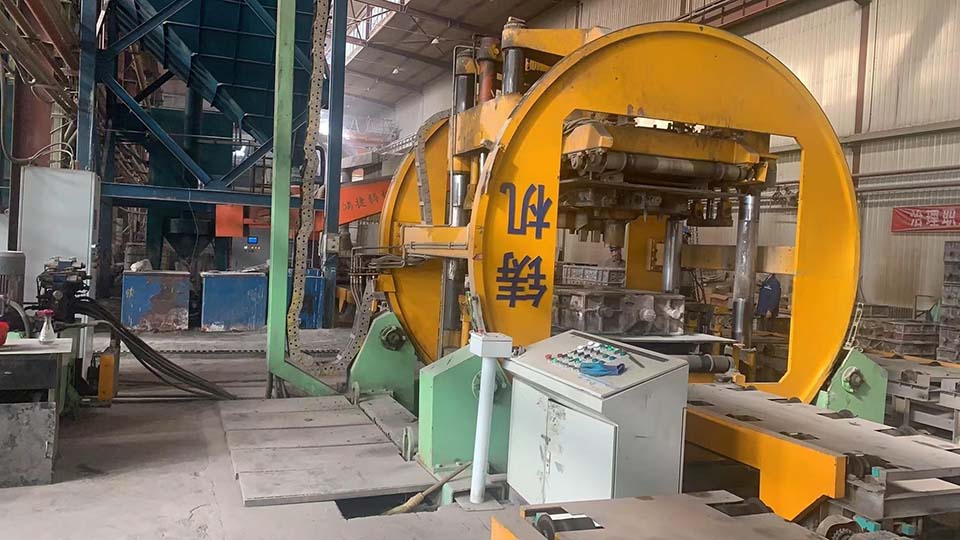
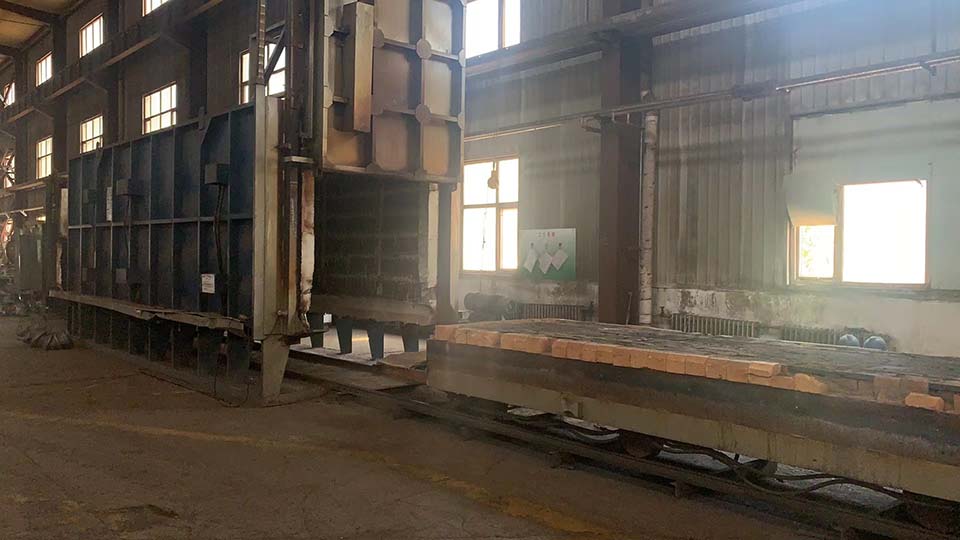
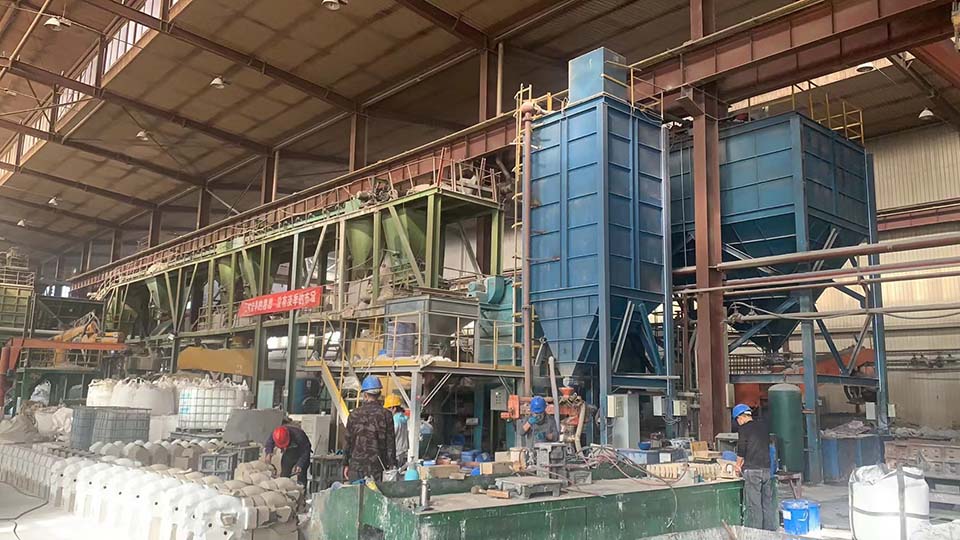
The technology used in aluminum casting sow molds has evolved significantly over the years, driven by the need for precision, efficiency, and cost-effectiveness. Here, we explore some of the key technological aspects of these molds.
◎Mold Materials
The choice of materials for aluminum casting sow molds is critical. Common materials include steel, iron, and refractory materials like graphite. Each material has its unique properties, with steel and iron molds offering excellent durability and longevity, while refractory materials are favored for their high-temperature resistance.
◎Mold Design and CNC Machining
Modern aluminum casting sow molds are often designed using Computer-Aided Design (CAD) software, allowing for precise customization and intricate detailing. CNC (Computer Numerical Control) machining is then used to fabricate the molds with high accuracy. This technology ensures that the molds are consistent in shape and dimension, contributing to the quality of the final product.
◎Heat Management
Proper heat management is crucial during the casting process. Aluminum casting sow molds incorporate cooling channels and systems to regulate the temperature of the mold, preventing premature solidification of the aluminum and ensuring uniform casting.
Aluminum casting sow molds find applications across a wide range of industries due to the versatility of aluminum as a material. Here are some notable industries and products that rely on these molds:
◆Automotive Industry
The automotive industry extensively uses aluminum casting sow molds to produce engine components, transmission parts, and structural components. The lightweight nature of aluminum helps improve fuel efficiency, making it a preferred choice for car manufacturers.
◆Aerospace Industry
In aerospace, the demand for lightweight and high-strength components is paramount. Sow molds are used to cast intricate parts like aircraft engine components, landing gear parts, and structural elements, contributing to the overall performance and safety of aircraft.
◆Electrical and Electronic Applications
Aluminum casting sow molds are employed to create housings and enclosures for various electrical and electronic devices. These molds ensure precise dimensions and thermal management, critical for the efficient operation of electronic components.
◆Consumer Goods
Many everyday consumer goods, such as cookware, appliances, and even smartphone casings, are manufactured using aluminum casting sow molds. Aluminum's aesthetic appeal and corrosion resistance make it an ideal choice for these products.
◆Industrial Machinery
The production of industrial machinery relies on aluminum casting sow molds for components that require both strength and durability. These molds are instrumental in manufacturing heavy machinery parts, such as gears and pulleys.
Advantages and challenges
Aluminum casting sow molds offer numerous advantages, but they also come with their fair share of challenges.
◆Advantages
Lightweight: Aluminum's inherent lightness contributes to fuel efficiency in vehicles and aerospace applications.
Corrosion Resistance: Aluminum is naturally corrosion-resistant, prolonging the lifespan of cast products.
High Thermal Conductivity: Aluminum's ability to dissipate heat makes it suitable for components in high-temperature environments.
◆Challenges
High Initial Costs: Designing and manufacturing precision sow molds can be expensive.
Tool Wear: The repeated use of molds can lead to wear and tear, requiring maintenance or replacement.
Environmental Concerns: The energy-intensive process of melting aluminum for casting raises environmental considerations.
To meet the evolving demands of industries and address the challenges associated with aluminum casting sow molds, ongoing innovations continue to shape the field:
●Additive Manufacturing
Additive manufacturing, or 3D printing, has gained traction in mold-making. It offers flexibility in design and can reduce lead times and costs while maintaining high precision.
●Simulation and Modeling
Advanced simulation and modeling software allow manufacturers to optimize mold designs and casting processes, minimizing defects and reducing waste.
●Sustainability Initiatives
Efforts to make the aluminum casting process more sustainable include energy-efficient melting technologies and recycling programs to reduce waste.
In conclusion, aluminum casting sow molds are the unsung heroes of the metal casting industry, enabling the production of countless products that drive modern life. Their importance lies not only in their role but also in the constant innovation that propels the industry forward. As technology continues to advance, these molds will become even more precise, efficient, and environmentally friendly, ensuring that aluminum casting remains a cornerstone of modern manufacturing.
Contact us
86 029 87607185 86029 87669660 86 029 87607180 ext. 8003
Email: Tech@huan-tai.org
Address:No.68, 2nd Keji Road Xian, China 710075