

Aluminum dross is a by-product in the smelting process, which brings environmental problems, but also produces recyclable benefits, so the emergence of dross press can effectively treat and recycle aluminum in waste slag, solve a major problem in the industry, and improve economic benefits.
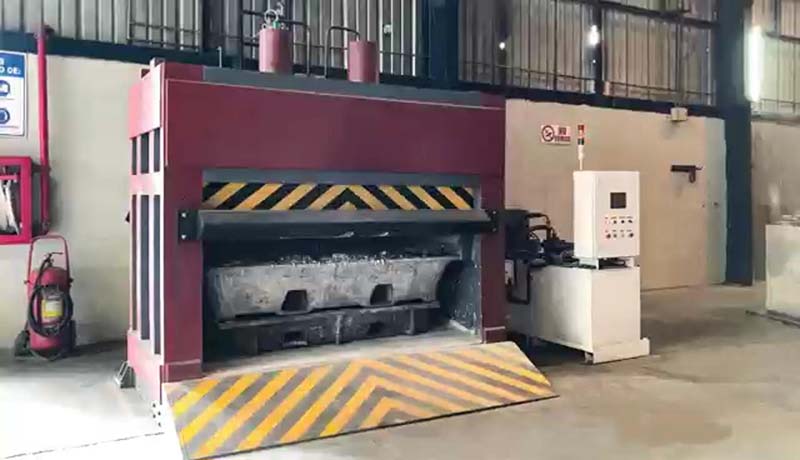
The Components of a Dross Press
A dross press typically consists of several key components that work in tandem to achieve its primary objectives:
1. Feeding System
◎ The feeding system is responsible for introducing aluminum dross into the dross press.
◎ Conveyor belts or other automated systems are often used to transport the dross to the press.
2. Pressing Chamber
◎ The heart of the dross press is the pressing chamber, where the dross undergoes compression.
◎ A hydraulic or mechanical press exerts force on the dross, compacting it and separating the aluminum from the non-metallic components.
3. Hydraulic System
◎ Many dross presses utilize a hydraulic system to generate the force needed for the pressing operation.
◎ Hydraulic cylinders apply pressure to the dross, facilitating the separation of aluminum from the dross cake.
4. Aluminum Recovery Unit
◎ Once the pressing operation is complete, the separated aluminum is collected in a designated recovery unit.
◎ The recovered aluminum is typically in a form suitable for further processing and recycling.
Working Mechanism of a Dross Press
The operation of a dross press can be broken down into several key steps:
1. Dross Feeding
◎ Aluminum dross is fed into the press, usually through an automated system to ensure a continuous and efficient process.
2. Compression
◎ The pressing chamber receives the dross, and a powerful press, often hydraulic, is activated.
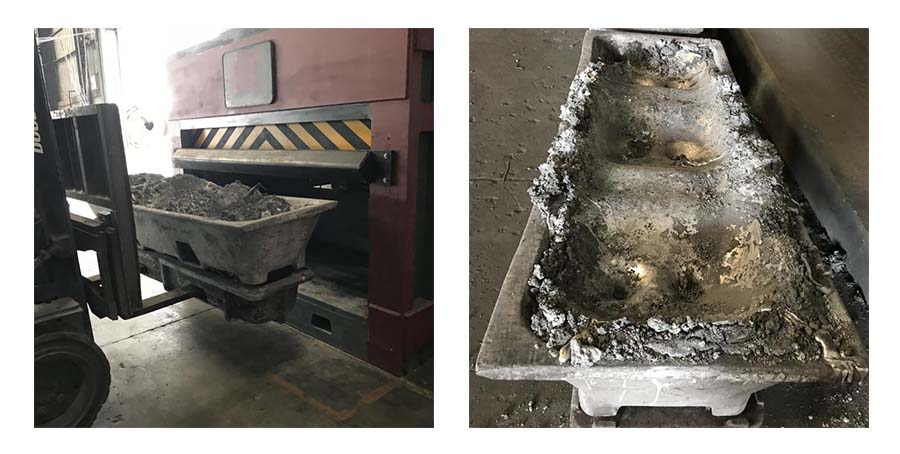
◎ The press exerts significant force on the dross, causing it to compact and separate into two distinct components: aluminum and residual waste.
3. Aluminum Separation
◎ The compressed dross is then separated into the recovered aluminum and the remaining non-metallic waste.
◎ This separation is a critical step in maximizing the yield of valuable aluminum from the dross.
4. Collection and Disposal
◎ The recovered aluminum is collected in a designated unit for further processing, while the residual waste is directed to disposal or additional treatment.
Benefits of Using a Dross Press
1. Aluminum Recovery
◎ The primary benefit of a dross press is its ability to recover a significant amount of aluminum from the dross.
◎ This not only reduces the environmental impact of dross disposal but also contributes to the economic sustainability of aluminum recycling.
2. Efficiency and Productivity
- Dross presses are designed for high efficiency and productivity, allowing for continuous operation and rapid processing of aluminum dross.
3. Environmental Impact
◎ By effectively recovering aluminum, dross presses play a crucial role in minimizing the environmental footprint of the aluminum industry.
◎ Reduced waste and improved resource utilization contribute to sustainable and eco-friendly practices.
4. Cost Savings
◎ Efficient dross management translates to cost savings for aluminum producers.
◎ The recovered aluminum can be reintroduced into the production process, reducing the need for new raw materials and lowering overall production costs.
Conclusion
In the intricate landscape of aluminum processing and recycling, the dross press emerges as a key player in addressing the challenges posed by aluminum dross. Its ability to efficiently recover aluminum from this by-product not only contributes to the economic viability of the industry but also aligns with the growing emphasis on sustainable and environmentally responsible practices. As technology continues to advance, it is likely that dross presses will evolve, further enhancing their capabilities and solidifying their role in the aluminum recycling ecosystem.
Contact us
86 029 87607185 86 029 87669660 86 029 87607180 ext. 8003
Email:Tech@huan-tai.org
Address:No.68, 2nd Keji Road Xian, China 710075