

Dross pans play a crucial role in the metal - processing industry, especially in aluminum production and recycling. As a seasoned supplier of dross pans, I've had numerous inquiries about their origin. Understanding the origin of dross pans not only provides historical context but also helps us appreciate their significance in modern industrial processes.
Early Beginnings of Metal Processing and the Need for Dross Collection
The history of metal processing dates back thousands of years. Ancient civilizations such as the Egyptians, Greeks, and Romans were well - versed in working with metals like copper, bronze, and later, iron. When melting metals, impurities rise to the surface, forming a layer of dross. Dross is a mixture of metal oxides, slag, and other non - metallic substances that accumulate during the melting and refining process.
In the early days, simple methods were used to deal with dross. Workers would use basic tools like ladles to skim the dross off the molten metal surface. However, there was a need for a more efficient way to collect and handle this waste material. The first rudimentary forms of dross pans likely emerged as simple containers made from clay or stone. These early pans were used to collect the dross removed from the molten metal, preventing it from re - entering the melt and ensuring a purer final product.
Evolution with the Industrial Revolution
The Industrial Revolution in the 18th and 19th centuries brought about a significant transformation in metal processing. The scale of production increased exponentially, and new technologies were developed for melting and refining metals. With the increased production, the amount of dross generated also grew substantially.

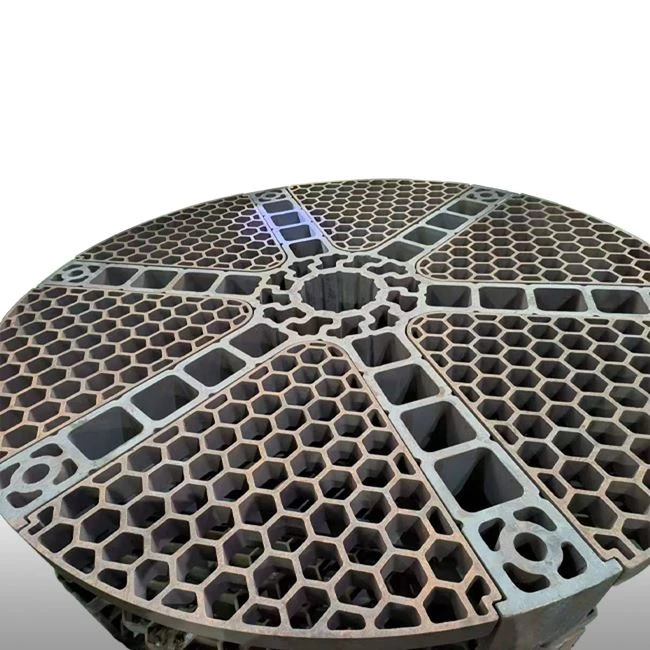
During this period, the materials used to make dross pans started to change. Cast iron became a popular choice due to its relatively high heat resistance and durability. Cast - iron dross pans could withstand the high temperatures associated with metal melting and were more robust than their clay or stone predecessors. They were also easier to manufacture in larger sizes, which was necessary to accommodate the greater volume of dross produced in industrial - scale operations.
The design of dross pans also evolved during this time. Engineers began to optimize the shape and structure of the pans to improve their functionality. For example, some dross pans were designed with sloped sides to make it easier to pour out the collected dross. Others were equipped with handles or lifting points for more convenient transportation.
The Aluminum Age and Specialized Dross Pans
The discovery and widespread use of aluminum in the late 19th and early 20th centuries led to the development of specialized dross pans. Aluminum has unique properties, such as a relatively low melting point and high reactivity with oxygen. When aluminum is melted, a significant amount of dross is formed, which contains valuable aluminum metal that can be recycled.
To meet the specific requirements of aluminum production and recycling, dross pans were designed to be more heat - resistant and corrosion - resistant. Alloy steels were increasingly used in the manufacture of dross pans for aluminum processing. These alloy steels can withstand the high temperatures and corrosive environment associated with aluminum melting and dross collection.
Modern dross pans for aluminum recycling are often engineered to maximize the recovery of aluminum from the dross. They are designed to prevent the loss of valuable aluminum during the collection and transportation process. For instance, some dross pans are lined with special refractory materials to reduce heat loss and improve the efficiency of aluminum recovery.
Applications and Importance in Modern Industry
In modern metal - processing industries, dross pans are essential for maintaining the quality of the final metal product. By effectively collecting and removing dross from the molten metal, dross pans help to reduce impurities and improve the mechanical properties of the metal.
In the aluminum recycling industry, dross pans are a key component in the process of recovering aluminum from scrap. The dross collected in these pans is further processed to extract the remaining aluminum, which can then be reused in the production of new aluminum products. This not only conserves natural resources but also reduces the energy consumption associated with primary aluminum production.
We also offer related products such as Heat Treatment Baskets and Alloy Steel Sow Mold. These products, along with our Aluminum Recycling Dross Pan, are designed to meet the diverse needs of the metal - processing industry.
Contact for Purchase and Collaboration
If you are in the metal - processing or recycling industry and are looking for high - quality dross pans, we are here to assist you. Our extensive experience as a dross pan supplier allows us to offer products that are reliable, durable, and tailored to your specific requirements. Whether you need dross pans for small - scale operations or large - scale industrial production, we have the solutions for you.
Feel free to reach out to us to discuss your needs and explore how our dross pans can enhance your metal - processing processes. We are committed to providing excellent customer service and ensuring that you get the best value for your investment.
References
- "History of Metalworking" by John T. Smith. This book provides a comprehensive overview of the development of metal - working techniques throughout history, including the evolution of tools and equipment used in the process.
- "Aluminum Production and Recycling" by Mary A. Johnson. It focuses on the specific challenges and technologies associated with aluminum production and recycling, including the role of dross pans in these processes.
- Industry reports and research papers from leading metal - processing organizations, which offer up - to - date information on the latest trends and innovations in dross pan design and manufacturing.