

Hey there! As a supplier of Alloy Steel Ingot Sow Moulds, I've been knee - deep in understanding the ins and outs of molten metal flow within these moulds. It's a fascinating topic that has a huge impact on the quality of the final steel ingots. Let's dive right in and explore the flow characteristics of molten metal in an Alloy Steel Ingot Sow Mould.
The Basics of Molten Metal Flow
First off, when we talk about molten metal, we're dealing with a super - hot, fluid substance. In the case of alloy steel, the melting point can be anywhere from around 1370°C to 1530°C, depending on the specific alloy composition. Once the metal is molten, it's poured into the Alloy Steel Ingot Sow Mould.
The flow of molten metal is governed by several key factors. One of the most important is viscosity. Viscosity is like the "thickness" of the fluid. Higher viscosity means the molten metal is thicker and flows more slowly. For alloy steel, the viscosity is affected by the temperature and the alloying elements present. For example, elements like chromium and nickel can increase the viscosity of the molten metal.
Another factor is the pouring rate. How fast we pour the molten metal into the mould makes a big difference. If we pour too fast, it can cause turbulence. Turbulence is like a whirlpool in the molten metal. It can trap air bubbles and impurities, leading to defects in the final ingot. On the other hand, if we pour too slowly, the metal might start to solidify before it fills the entire mould, resulting in an incomplete ingot.
Flow Patterns in the Mould
Inside the Alloy Steel Ingot Sow Mould, the molten metal forms different flow patterns. One common pattern is the laminar flow. In laminar flow, the molten metal moves in smooth, parallel layers. It's like a calm river where the water flows steadily without much mixing. Laminar flow is ideal because it helps the metal fill the mould evenly and reduces the chances of trapping air or impurities.
However, achieving laminar flow isn't always easy. Sometimes, the molten metal experiences turbulent flow. Turbulent flow is chaotic, with the metal swirling and mixing in all directions. This can happen when the pouring rate is too high or when there are obstacles in the mould. Turbulent flow can lead to problems like surface defects, porosity, and uneven solidification.
Influence of Mould Design
The design of the Alloy Steel Ingot Sow Mould also plays a crucial role in the flow characteristics of the molten metal. The shape of the mould can either promote or hinder smooth flow. For example, a mould with sharp corners can cause the molten metal to change direction suddenly, leading to turbulence. On the other hand, a mould with rounded corners allows the metal to flow more smoothly.
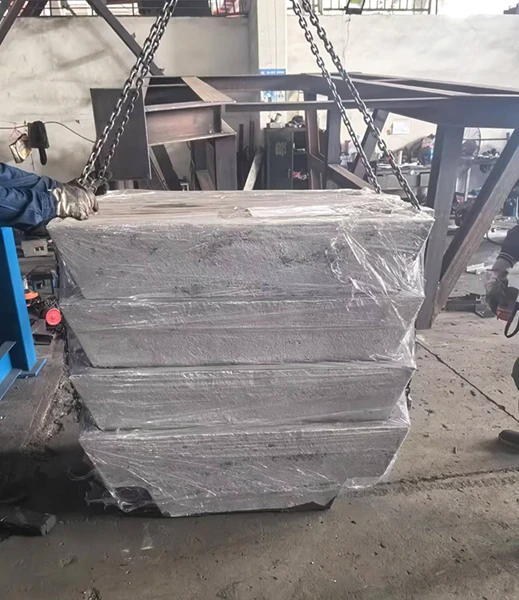
The size and volume of the mould are also important. A larger mould might require a higher pouring rate to fill it in a reasonable time. But if the pouring rate is too high, it can increase the risk of turbulence. So, we need to find the right balance between the size of the mould and the pouring parameters.

Temperature Effects
Temperature is another major player in the flow of molten metal. As the molten metal cools, its viscosity increases. This means that as it flows through the mould, it will slow down. If the temperature drops too quickly, the metal might solidify prematurely, causing issues like incomplete filling or cold shuts.
To combat this, we often pre - heat the Alloy Steel Ingot Sow Mould. Pre - heating helps to maintain the temperature of the molten metal as it flows through the mould, ensuring a more consistent flow and better filling.
Real - World Applications and Our Role
In the real world, understanding the flow characteristics of molten metal in an Alloy Steel Ingot Sow Mould is crucial for producing high - quality steel ingots. These ingots are used in a wide range of industries, from construction to automotive manufacturing.
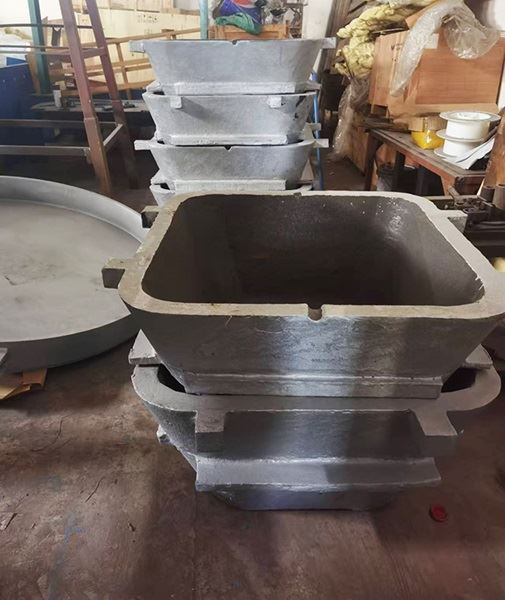
As a supplier of Alloy Steel Ingot Sow Moulds, we take this responsibility seriously. We work closely with our customers to understand their specific needs and design moulds that optimize the flow of molten metal. Our moulds are made from high - quality materials that can withstand the extreme temperatures and pressures of the steel - making process.
We also offer other related products like the Copper Melting Mold, which is used in the melting and casting of copper alloys. Our Slag Pot is designed to handle the slag produced during the steel - making process, and our Dross Pan For Aluminum Dross Treatment is used in the treatment of aluminum dross.
Contact Us for Your Needs
If you're in the market for high - quality Alloy Steel Ingot Sow Moulds or any of our other products, we'd love to hear from you. Whether you're a small - scale steel producer or a large industrial manufacturer, we have the expertise and the products to meet your requirements. Don't hesitate to reach out to us to discuss your specific needs and start a procurement negotiation. We're here to help you get the best possible solutions for your metal - casting processes.

References
- "Fundamentals of Metallurgy" by George E. Dieter
- "Metal Casting: Principles and Practice" by Pradeep Kumar Ray
- Various industry research papers on molten metal flow and steel casting processes.