

Hey there! As a supplier of slag bins, I've seen my fair share of potential risks and the importance of having solid emergency response measures. Slag bin accidents can be pretty serious, and it's crucial to be prepared. In this blog, I'll walk you through what to do when things go wrong with a slag bin.
Understanding the Risks
First off, let's talk about why slag bin accidents are such a big deal. Slag bins are used to collect and hold the waste material that comes from metal - smelting processes. This slag is extremely hot and can cause all sorts of problems if it spills or if there's a structural failure in the bin.
One of the most common risks is a slag spill. If the bin gets damaged or over - filled, the hot slag can pour out onto the floor. This not only poses a burn risk to workers but can also damage equipment and infrastructure in the area. Another risk is the structural integrity of the bin itself. Over time, the constant exposure to high temperatures and heavy loads can weaken the bin, leading to cracks or even a complete collapse.
Immediate Response
When a slag bin accident occurs, the first thing to do is to ensure the safety of everyone in the area. Evacuate the immediate vicinity and set up a perimeter to keep unauthorized personnel out. This is non - negotiable. The last thing you want is more people getting hurt.
If there are workers who have been in contact with the hot slag, provide first - aid immediately. For burns, run cool water over the affected area for at least 10 - 15 minutes. Call for medical assistance right away. Remember, time is of the essence when it comes to treating burns.
Fire and Explosion Prevention
Slag is extremely hot, and if it comes into contact with flammable materials, it can start a fire. So, the next step is to check for any potential fire hazards in the area. If there are flammable substances nearby, move them away or use fire - suppression methods to prevent a fire from starting.
In some cases, there's also a risk of explosion. If the slag comes into contact with water, it can cause a steam explosion. Make sure there's no water in the vicinity of the spill. If there's a small amount of water that can be easily removed, do it. But if it's a large area, call in the experts to handle it safely.
Containment
Once the area is safe and the fire and explosion risks are under control, it's time to contain the slag spill. Use sand or other absorbent materials to soak up the liquid slag. This helps to prevent it from spreading further and causing more damage.

If the bin has collapsed, you may need to use heavy machinery to move the debris carefully. But be extra cautious when doing this, as the slag may still be very hot and can cause damage to the equipment.
Equipment Inspection
After the initial response and containment, it's essential to inspect the slag bin and the surrounding equipment. Check for any signs of damage to the bin, such as cracks or deformation. Also, inspect the nearby machinery and structures to make sure they haven't been affected by the accident.
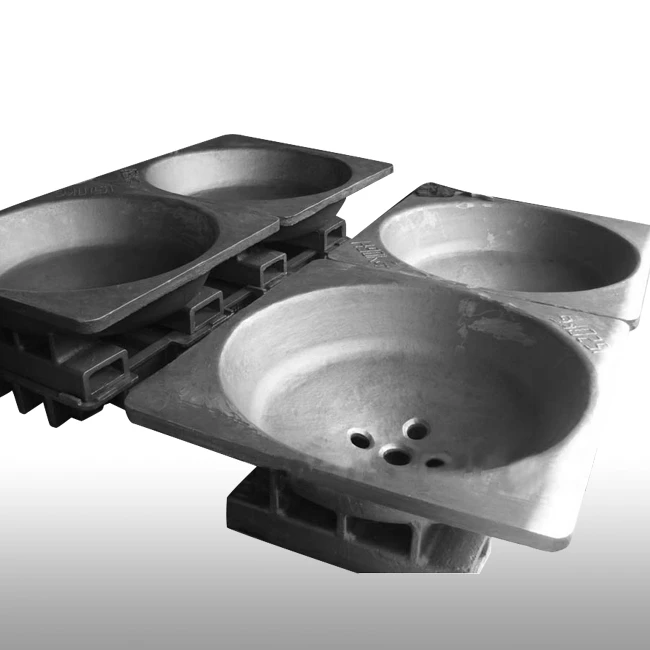
If the bin is damaged beyond repair, it needs to be replaced. This is where my products come in. We offer high - quality Slag And Dross Pan and Dross and Drain Pans that are built to withstand high temperatures and heavy loads. Our Heat - resistant Steel Metal Smelting Crucible is also a great option for those who need a reliable container for their smelting processes.
Root Cause Analysis
Once the situation is under control, it's time to figure out what caused the accident. This involves looking at everything from the design and maintenance of the bin to the operating procedures. Was the bin over - filled? Were there any signs of wear and tear that were ignored?
By conducting a thorough root - cause analysis, you can take steps to prevent similar accidents from happening in the future. This may involve changing the operating procedures, improving the maintenance schedule, or upgrading the equipment.
Training and Education
One of the best ways to prevent slag bin accidents is to ensure that all workers are properly trained. They should know how to operate the equipment safely, how to recognize the signs of a potential problem, and what to do in case of an emergency.
Regular training sessions should be held to keep everyone up - to - date on the latest safety procedures. This includes not only the workers who directly handle the slag bins but also those who work in the vicinity.
Follow - up and Monitoring
After an accident, it's important to follow up on the corrective actions that have been taken. Monitor the situation to make sure that the problem has been fully resolved and that there are no new issues arising.
Keep records of the accident, the response, and the corrective actions. This can be useful for future reference and for compliance purposes.
Contact for Procurement
If you're in the market for high - quality slag bins or related products, don't hesitate to reach out. We have a wide range of products that are designed to meet your specific needs. Whether you're looking for a standard slag bin or a custom - made solution, we've got you covered.
References
- OSHA Guidelines on Industrial Safety and Health
- Industry reports on Metal Smelting Accidents
- Manufacturer's Manuals for Slag Bin Equipment