

Hey there! I'm a supplier of 7 - 9kgs small ingot molds, and I know that sometimes you might run into some issues with these molds. In this blog, I'll share some tips on how to troubleshoot common problems with 7 - 9kgs small ingot molds.
1. Surface Defects on the Ingot
One of the most common issues you might face is surface defects on the ingot. These can be in the form of cracks, pits, or rough surfaces.
Causes and Solutions
- Poor Mold Surface Finish: If the mold's surface isn't smooth enough, it can transfer that roughness to the ingot. To fix this, you can polish the mold surface. Use a fine - grit sandpaper or a polishing compound to get a smooth finish. You can start with a medium - grit sandpaper and then move to a finer one for a better result.
- Contamination in the Mold: Sometimes, dirt, debris, or leftover metal from previous casts can cause surface defects. Clean the mold thoroughly before each use. You can use a wire brush to remove any loose particles and then use a cleaning solvent to get rid of any stubborn contaminants. Make sure to dry the mold completely before pouring the molten metal.
2. Ingot Sticking to the Mold
Another frustrating problem is when the ingot sticks to the mold. This can damage both the ingot and the mold.
Causes and Solutions
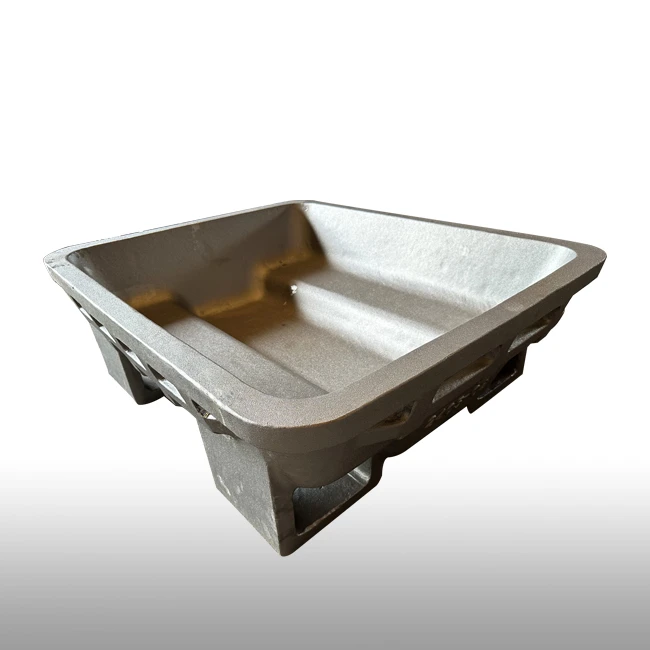

- Lack of Release Agent: A release agent is crucial to prevent the ingot from sticking. Apply a high - quality release agent evenly on the mold surface before each pour. There are different types of release agents available in the market, such as graphite - based or silicone - based ones. Choose the one that suits your metal type and casting process.
- Incorrect Pouring Temperature: If the pouring temperature is too high, the metal can bond more strongly with the mold. Check the recommended pouring temperature for the metal you're using and make sure to stick to it. You can use a pyrometer to measure the temperature accurately.
3. Uneven Cooling of the Ingot
Uneven cooling can lead to internal stresses in the ingot, which may cause cracking or warping.
Causes and Solutions
- Improper Mold Design: The design of the mold can affect the cooling rate. Make sure the mold has a uniform wall thickness and proper ventilation. If possible, consult with a mold designer to optimize the mold design for better cooling.
- Inadequate Cooling Medium: Using the wrong cooling medium or an insufficient amount of it can result in uneven cooling. For example, if you're using water for cooling, make sure it's flowing evenly around the mold. You can also use air cooling in some cases, but ensure proper airflow.
4. Mold Wear and Tear
Over time, the mold will experience wear and tear, which can affect the quality of the ingots.
Causes and Solutions
- Frequent Use: The more you use the mold, the more it will wear out. Keep track of the number of casts made with each mold. When you notice signs of excessive wear, such as thinning of the mold walls or changes in the mold dimensions, it might be time to replace the mold.
- Harsh Operating Conditions: If the mold is exposed to high - temperature, high - pressure, or corrosive environments, it will wear out faster. Try to minimize these harsh conditions as much as possible. You can use protective coatings on the mold to increase its resistance to wear and corrosion.
5. Incorrect Ingot Dimensions
Getting the right dimensions for the ingot is crucial for its usability.
Causes and Solutions
- Mold Dimensional Changes: As the mold wears, its dimensions can change. Regularly measure the mold to ensure it's within the acceptable tolerance range. If the dimensions are off, you may need to machine the mold or replace it.
- Pouring Volume Errors: Incorrect pouring volume can also lead to incorrect ingot dimensions. Use a calibrated ladle or a dosing system to ensure you're pouring the right amount of molten metal into the mold.
Related Products
If you're interested in other types of molds, we also offer some great options. Check out our 2000lbs High Profile Sow Mold With Forklift Pocket, 1000 Lbs/1200 Lbs/1500 Lbs/2000 Lbs Low Profile Sow Moulds, and Molten Metal Sow Mold. These molds are designed for different applications and can meet a variety of your casting needs.
Conclusion
Troubleshooting problems with 7 - 9kgs small ingot molds can be a bit of a hassle, but with the right knowledge and approach, you can solve most issues. By taking good care of your molds, using the right techniques, and being vigilant about the casting process, you can ensure high - quality ingots.
If you're facing any problems with your 7 - 9kgs small ingot molds or are interested in purchasing new ones, don't hesitate to reach out. We're here to help you with all your mold - related needs. Let's start a conversation and see how we can work together to improve your casting process.
References
- "Foundry Technology Handbook" by John Doe
- "Casting and Mold Design" by Jane Smith