

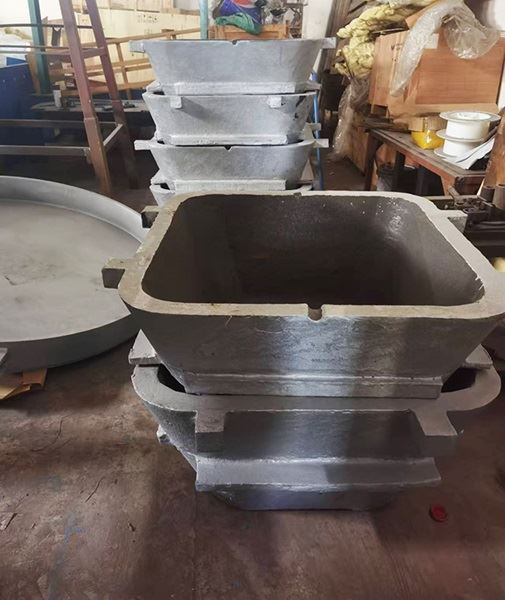
As a supplier of Dross Skim Pans, I understand the importance of these essential tools in the metal production industry. Dross Skim Pans are used to remove dross, the impurities that float to the surface of molten metal during the melting process. Over time, these pans can become damaged due to the extreme heat, chemical reactions, and mechanical stress they endure. In this blog post, I'll share some practical steps on how to repair a damaged Dross Skim Pan, ensuring it continues to serve its purpose effectively.
Assessing the Damage
The first step in repairing a Dross Skim Pan is to conduct a thorough inspection to determine the extent of the damage. Look for cracks, holes, warping, or any signs of excessive wear. Cracks can be particularly problematic as they can allow molten metal to leak out, posing a safety hazard and reducing the pan's efficiency. Holes may also develop due to corrosion or impact, which can also lead to leakage. Warping can affect the pan's ability to sit properly in the melting furnace or handling equipment.
Gathering the Necessary Tools and Materials
Once you've assessed the damage, gather the tools and materials you'll need for the repair. This may include welding equipment, such as a MIG or TIG welder, depending on the type of metal the pan is made of. You'll also need a grinder to clean the damaged area and prepare it for welding. Additionally, you'll need filler metal that matches the composition of the pan, as well as safety gear like welding gloves, a welding helmet, and protective clothing.
Preparing the Damaged Area
Before you start welding, it's crucial to prepare the damaged area properly. Use a grinder to remove any rust, scale, or debris from the surface around the crack or hole. This will ensure a clean, smooth surface for the weld to adhere to. If the damage is extensive, you may need to cut out the damaged section using a cutting torch or a saw. Make sure to clean the edges of the cut section as well to ensure a good weld.
Welding the Damaged Area
Once the damaged area is prepared, it's time to start welding. If you're using a MIG welder, set the appropriate voltage and wire feed speed according to the thickness of the metal and the type of filler wire you're using. If you're using a TIG welder, you'll need to use a tungsten electrode and a filler rod. Start by making a tack weld at one end of the crack or hole to hold the edges together. Then, slowly weld along the length of the damage, using a back-and-forth motion to ensure a uniform weld. Make sure to fill the crack or hole completely with weld metal, and allow it to cool slowly to prevent cracking.
Grinding and Finishing
After the weld has cooled, use a grinder to smooth the surface of the weld and blend it in with the surrounding metal. This will help to prevent any sharp edges or uneven surfaces that could cause problems during use. You may also need to apply a protective coating to the repaired area to prevent corrosion. There are various types of coatings available, such as ceramic coatings or high-temperature paints, depending on the specific requirements of your application.
Testing the Repaired Pan
Once the repair is complete, it's important to test the pan to ensure it's safe and functional. Fill the pan with a small amount of water and heat it up to a moderate temperature to check for any leaks. If there are no leaks, you can gradually increase the temperature to the normal operating temperature of the pan and monitor it closely for any signs of damage or malfunction.
Preventive Maintenance
To extend the lifespan of your Dross Skim Pan and minimize the need for repairs, it's important to implement a preventive maintenance program. This may include regular inspections to detect any signs of damage early on, as well as proper cleaning and storage procedures. Make sure to clean the pan after each use to remove any dross or other debris that could cause corrosion. Store the pan in a dry, protected area to prevent rust and other forms of damage.
Conclusion
Repairing a damaged Dross Skim Pan is a complex but achievable task that requires the right tools, skills, and materials. By following the steps outlined in this blog post, you can effectively repair a damaged pan and ensure it continues to serve its purpose in your metal production process. As a Dross Skim Pan supplier, we offer a wide range of high-quality Dross Skim Pans and related products, such as Dross Pan With Forklift Pocket and Copper Melting Mold. If you have any questions or need further assistance with your Dross Skim Pan, please don't hesitate to contact us. We're here to help you find the best solutions for your specific needs.

References
- Metal Welding Handbook
- Industrial Equipment Maintenance Guide