

Hey there! As a supplier of crusher wear parts, I've seen firsthand how important it is to have durable and long - lasting components in the crushing industry. Wear and tear on crusher parts can lead to increased downtime, higher maintenance costs, and reduced productivity. So, in this blog, I'm gonna share some tips on how to improve the wear resistance of crusher wear parts.

1. Choose the Right Material
One of the most crucial factors in improving wear resistance is selecting the appropriate material for your crusher wear parts. Different materials have different properties, and choosing the right one can significantly extend the lifespan of your parts.
- High - Manganese Steel: This is a popular choice for crusher wear parts. It has excellent work - hardening properties, which means that as it is subjected to impact and abrasion, its surface hardness increases. High - manganese steel can withstand high - energy impacts without cracking, making it ideal for applications where there are large rocks or heavy - duty crushing operations. For example, in cone crushers, parts like the Cone Crusher Wear Parts can be made from high - manganese steel to handle the strong forces during the crushing process.
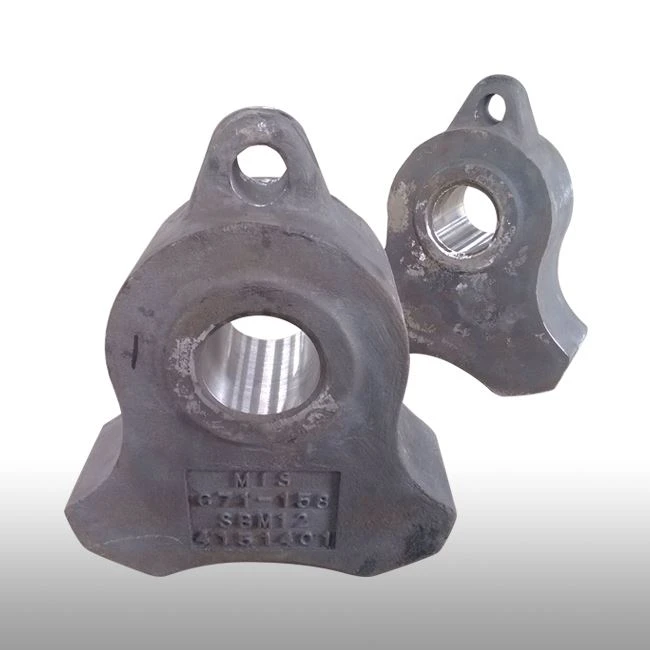
- Chrome - Alloy Steel: Chrome - alloy steel offers good abrasion resistance. It is often used in situations where the wear is mainly due to abrasion rather than high - energy impacts. Impact crushers, which rely on high - speed impacts to break rocks, can benefit from Impact Crusher Wear Parts made from chrome - alloy steel. The chromium in the steel forms hard carbides that resist the scratching and cutting action of the abrasive materials.
- Ceramics: In some cases, ceramics can be used for crusher wear parts. Ceramics have extremely high hardness and excellent wear resistance. However, they are brittle and may not be suitable for applications with high - impact loads. But for low - impact, high - abrasion situations, ceramic parts can provide a long service life.
2. Optimize the Design
The design of the crusher wear parts also plays a vital role in their wear resistance.
- Proper Shape and Geometry: The shape of the wear part should be designed to distribute the load evenly. For example, in a cone crusher, the Upper And Lower Frame For Cone Crusher should be designed in such a way that the crushing force is spread out over a larger area. This reduces the stress concentration on specific points, which can lead to premature wear. A well - designed shape can also ensure that the material flow through the crusher is smooth, minimizing the impact on the wear parts.
- Surface Finish: A smooth surface finish can reduce friction and wear. When the surface of the wear part is rough, it can catch and hold abrasive particles, which increases the wear rate. By ensuring a high - quality surface finish, the contact between the wear part and the material being crushed is more uniform, and the abrasive action is reduced.
3. Maintain the Crusher Properly
Regular maintenance is essential for improving the wear resistance of crusher wear parts.
- Lubrication: Proper lubrication of the moving parts in the crusher is crucial. Lubrication reduces friction between the parts, which in turn reduces wear. It also helps to dissipate heat generated during the crushing process. Make sure to use the right type of lubricant and follow the manufacturer's recommendations for lubrication intervals.
- Alignment and Tightening: Check the alignment of the crusher components regularly. Misaligned parts can cause uneven wear on the wear parts. Also, ensure that all the bolts and fasteners are tightened properly. Loose parts can vibrate during operation, which can accelerate wear.
- Inspection and Replacement: Regularly inspect the wear parts for signs of wear. Look for cracks, excessive wear, or any other damage. Replace the wear parts before they fail completely. This can prevent further damage to the crusher and ensure continuous operation.
4. Control the Operating Conditions
The way the crusher is operated can have a significant impact on the wear of the parts.
- Feed Size and Quality: The size and quality of the material being fed into the crusher should be within the recommended range. If the feed size is too large, it can cause excessive impact on the wear parts, leading to faster wear. Also, if the material contains a lot of abrasive particles or hard rocks, it will increase the wear rate. Try to pre - screen the material to remove any oversized or extremely hard particles.
- Crushing Speed and Pressure: Operating the crusher at the right speed and pressure is important. Running the crusher at too high a speed or applying too much pressure can increase the wear on the parts. On the other hand, running it at too low a speed may not be efficient and can also cause uneven wear. Follow the manufacturer's guidelines for the optimal operating parameters.
5. Use Wear - Resistant Coatings
Applying wear - resistant coatings to the crusher wear parts can provide an extra layer of protection.
- Thermal Spray Coatings: These coatings are applied by heating a material (such as a metal or ceramic) to a molten or semi - molten state and then spraying it onto the surface of the wear part. Thermal spray coatings can improve the hardness and wear resistance of the surface. They can also provide corrosion resistance in some cases.
- Electroplating: Electroplating involves depositing a thin layer of metal (such as chromium or nickel) onto the surface of the wear part. This can increase the surface hardness and reduce friction, thereby improving wear resistance.
Conclusion
Improving the wear resistance of crusher wear parts is a multi - faceted approach that involves choosing the right material, optimizing the design, proper maintenance, controlling the operating conditions, and using wear - resistant coatings. By implementing these strategies, you can significantly extend the lifespan of your crusher wear parts, reduce downtime, and save on maintenance costs.
If you're in the market for high - quality crusher wear parts or need more advice on improving wear resistance, feel free to reach out. We're here to help you find the best solutions for your crushing needs. Let's start a conversation and see how we can work together to enhance your crusher's performance.

References
- "Wear and Erosion in Mining and Mineral Processing" by John A. Williams
- "Crushing Equipment Handbook" by various industry experts