

Analyzing the wear pattern of impact crusher parts is a crucial aspect of maintaining the efficiency and longevity of these machines. As a supplier of Impact Crusher Wear Parts, I have gained significant insights into this process over the years. In this blog post, I will share my knowledge on how to effectively analyze the wear pattern of impact crusher parts.
Understanding the Basics of Impact Crushers
Before delving into the wear pattern analysis, it's essential to understand how impact crushers work. Impact crushers use the principle of impact to break materials. When the material enters the crusher, it is struck by the high - speed rotating blow bars. The impact force shatters the material, and the broken pieces are then further processed within the crusher chamber. This continuous process of impact and breakage subjects the crusher parts to significant wear and tear.
Types of Wear in Impact Crushers
There are mainly three types of wear that impact crusher parts commonly experience: abrasion, impact wear, and corrosion.
Abrasion
Abrasion occurs when hard particles in the material being crushed rub against the surface of the crusher parts. This type of wear is often visible as scratches or grooves on the surface of the parts. For example, the blow bars and aprons are particularly susceptible to abrasion. The harder the material being crushed, the more severe the abrasion will be.
Impact Wear
Impact wear is a result of the repeated impact of the material on the crusher parts. When the material hits the blow bars or other components at high speed, it can cause the surface of the parts to deform, crack, or even break. Impact wear is more likely to occur in areas where the impact force is concentrated, such as the tips of the blow bars.
Corrosion
Corrosion can also affect impact crusher parts, especially if the material being crushed contains moisture or corrosive substances. Corrosion can weaken the structure of the parts, making them more prone to other types of wear. For instance, if the crusher is used in a mining environment where the ore has a high sulfur content, the parts may be at risk of corrosion.
Steps to Analyze the Wear Pattern
Visual Inspection
The first step in analyzing the wear pattern is a visual inspection. This involves carefully examining the crusher parts for any signs of wear. Look for scratches, cracks, deformation, and changes in the surface texture. Pay close attention to areas that are in direct contact with the material, such as the blow bars, aprons, and liners.
During the visual inspection, it's important to note the location and severity of the wear. For example, if the wear is concentrated on one side of the blow bar, it could indicate an imbalance in the crusher or a problem with the feed material distribution.
Measurement
After the visual inspection, the next step is to measure the wear. Use appropriate measuring tools, such as calipers or micrometers, to measure the thickness or dimensions of the parts. Compare the measured values with the original specifications of the parts. A significant deviation from the original dimensions can indicate excessive wear.
For example, if the thickness of a blow bar has decreased by more than a certain percentage, it may be time to replace it. Measuring the wear also helps in determining the rate of wear, which can be useful for predicting when the parts will need to be replaced in the future.
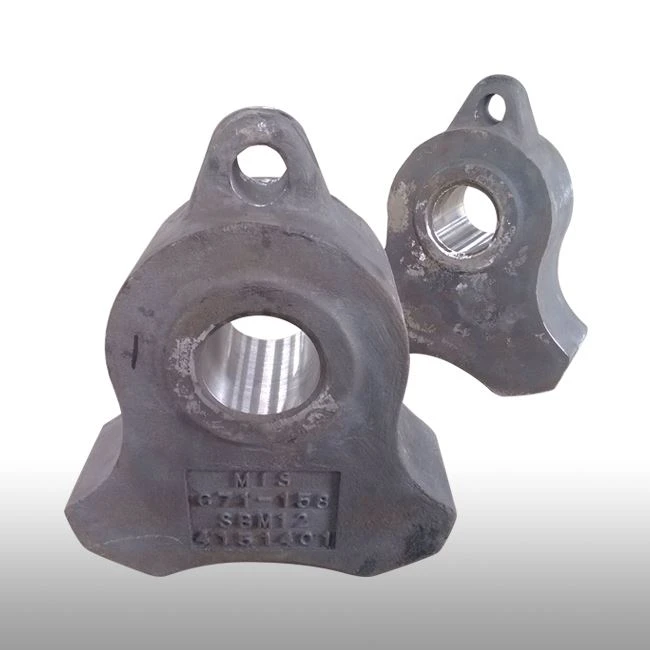
Wear Mapping
Wear mapping is a more advanced technique for analyzing the wear pattern. It involves creating a detailed map of the wear on the crusher parts. This can be done by taking multiple measurements at different points on the part and then plotting these measurements on a graph or a diagram.

Wear mapping allows you to identify areas of high wear and understand the distribution of wear across the part. This information can be used to optimize the design of the parts or to adjust the operating parameters of the crusher to reduce wear.
Material Analysis
In some cases, it may be necessary to conduct a material analysis of the worn parts. This can help in determining the cause of the wear. For example, if the wear is due to corrosion, a chemical analysis of the surface of the part can identify the corrosive substances.

Material analysis can also provide insights into the quality of the material used in the parts. If the parts are wearing out too quickly, it could be due to a low - quality material or improper heat treatment.
Factors Affecting the Wear Pattern
Several factors can affect the wear pattern of impact crusher parts. Understanding these factors can help in taking preventive measures to reduce wear.
Material Properties
The properties of the material being crushed, such as hardness, abrasiveness, and moisture content, have a significant impact on the wear pattern. Hard and abrasive materials will cause more wear on the crusher parts compared to softer materials. Moisture in the material can also increase the risk of corrosion.
Operating Parameters
The operating parameters of the crusher, such as the speed of the rotor, the feed rate, and the gap between the blow bars and the aprons, can also affect the wear pattern. A higher rotor speed will increase the impact force, which can lead to more severe impact wear. An improper feed rate can cause uneven wear on the parts.
Maintenance Practices
Proper maintenance is crucial for reducing wear on impact crusher parts. Regular cleaning, lubrication, and inspection can help in detecting and addressing wear issues early. For example, keeping the crusher clean can prevent the accumulation of abrasive particles, which can reduce abrasion.
Importance of Analyzing the Wear Pattern
Analyzing the wear pattern of impact crusher parts is important for several reasons. Firstly, it helps in ensuring the safe and efficient operation of the crusher. Worn - out parts can cause the crusher to malfunction, leading to downtime and increased maintenance costs.
Secondly, it allows for better planning of part replacements. By understanding the wear pattern and the rate of wear, you can predict when the parts will need to be replaced and order them in advance. This can minimize the downtime of the crusher.
Finally, analyzing the wear pattern can provide valuable feedback for improving the design and quality of the parts. By identifying the areas of high wear and the causes of wear, manufacturers can make changes to the parts to increase their durability.
Conclusion
Analyzing the wear pattern of impact crusher parts is a complex but essential process. By following the steps outlined in this blog post, you can effectively analyze the wear pattern and take appropriate measures to reduce wear and extend the lifespan of the parts.

As a supplier of Impact Crusher Wear Parts, I am committed to providing high - quality parts that can withstand the rigors of crushing operations. If you are interested in purchasing our impact crusher wear parts or need more information about wear pattern analysis, please feel free to contact us for further discussion and potential procurement. We also offer Upper And Lower Frame For Cone Crusher and Jaw Crusher Wear Parts to meet a wide range of crushing needs.
References
- Smith, J. (2018). "Wear Mechanisms in Crushing Equipment". Journal of Mining Engineering, 25(3), 123 - 135.
- Johnson, A. (2019). "Optimizing the Performance of Impact Crushers through Wear Analysis". International Journal of Mineral Processing, 145, 78 - 89.
- Brown, C. (2020). "Factors Affecting the Wear of Crusher Parts". Mining Technology Review, 32(2), 45 - 56.