

Hey there! I'm a supplier of high profile sow moulds, and today I wanna chat about how to improve the surface quality of products made by these moulds. Trust me, it's a game - changer for your business, and I've got some insights to share based on my experience in the field.
Understanding the Basics of High Profile Sow Moulds
First off, let's quickly go over what high profile sow moulds are. These are essential tools in the metal - casting industry. We use them to create large, chunky ingots, which then go on to be processed into various metal products. They're a big deal, and the quality of the products they produce can really make or break a project.
The surface quality of these mould - made products is important for several reasons. For one, a smooth and defect - free surface makes it easier to work with the ingot later on. It reduces the amount of machining and finishing required, saving both time and money. Also, in some industries, the appearance of the final product matters, and a good - looking surface can enhance the overall value of the item.
Factors Affecting Surface Quality
There are a bunch of factors that can mess with the surface quality of products made by high profile sow moulds.

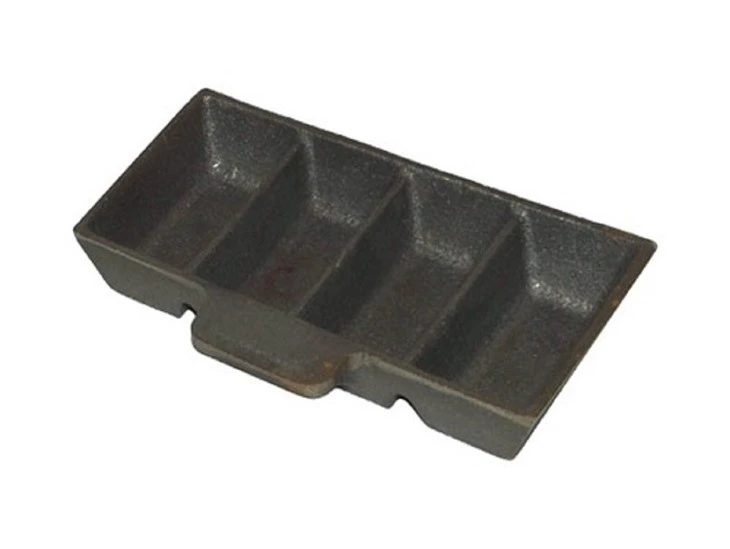
Mould Material and Design
The material of the mould itself has a huge impact. If the mould material is not of good quality, it can transfer imperfections onto the cast product. For example, if the mould has porous areas, the metal pouring into it might seep into those pores, causing rough spots on the surface of the ingot.
Also, the design of the mould matters. A poorly designed mould might not allow for proper air escape during the casting process. This can lead to air bubbles getting trapped in the metal, resulting in pits and holes on the surface. That's why at our company, we pay close attention to the selection of mould materials and make sure the designs are top - notch.
Metal Pouring Process
The way the metal is poured into the mould is crucial. If the pouring speed is too fast, it can cause turbulence in the molten metal. This turbulence can lead to splashing and uneven filling of the mould, which in turn creates a rough surface on the final product. On the other hand, if the pouring speed is too slow, the metal might start to solidify before it completely fills the mould, also causing surface defects.
The temperature of the molten metal is another key factor. If it's too hot, it can react with the mould material and cause chemical reactions that leave marks on the surface. If it's too cold, the metal might not flow smoothly, resulting in an uneven surface finish.
Post - casting Treatments
After the casting is done, post - casting treatments play an important role. For instance, if the cooling process is not controlled properly, it can cause uneven contraction of the metal, leading to warping and surface cracks. Also, cleaning the surface of the cast product is vital. Any residual sand, slag, or other contaminants can damage the surface and affect its quality.
Strategies to Improve Surface Quality
Optimize Mould Design and Manufacturing
To start, investing in high - quality mould materials is a must. We use materials that are resistant to wear, heat, and chemical reactions. This helps ensure that the mould can withstand the harsh conditions of the casting process without transferring defects to the product.
When it comes to design, we focus on creating a smooth internal surface of the mould. We also incorporate features that allow for proper air venting. This helps prevent air bubbles from getting trapped in the metal. For example, we might add small channels or holes in the mould to let the air out during the pouring process. You can check out some of our well - designed moulds like the T - type Ingot Sow Mold.
Control the Metal Pouring Process
We've developed strict protocols for the metal pouring process. We use advanced equipment to precisely control the pouring speed. By adjusting the speed according to the size and shape of the mould, we can ensure a smooth and even filling of the mould.
Monitoring the temperature of the molten metal is also a top priority. We have temperature sensors in place to make sure the metal is at the optimal temperature for pouring. This helps prevent both chemical reactions and poor flow of the metal.
Implement Effective Post - casting Treatments
For the cooling process, we use controlled cooling methods. This might involve using fans, water sprays, or other cooling techniques to gradually and evenly cool the cast product. This reduces the chances of warping and cracking.
After cooling, we perform thorough cleaning of the surface. We use a combination of mechanical and chemical cleaning methods to remove any contaminants. This leaves the surface clean and ready for further processing. You can learn more about the casting process in our Aluminum Sow Mould Casting page.
Real - world Examples and Success Stories
We've had many clients who've seen a significant improvement in the surface quality of their products after implementing our suggestions. One of our clients was struggling with high levels of surface defects in their ingots. After we optimized the mould design and fine - tuned the pouring process for them, the defect rate dropped by over 50%. This not only saved them money on rework but also improved their reputation in the market.
Conclusion and Call to Action
Improving the surface quality of products made by high profile sow moulds is a multi - step process that involves careful attention to every aspect of the casting process. From the mould design and material selection to the pouring process and post - casting treatments, each step plays a crucial role.
If you're in the market for high - quality high profile sow moulds or need advice on improving your casting process, don't hesitate to reach out. We're here to help you achieve the best possible surface quality for your products. You can also check out our 1000 Lbs/1200 Lbs/1500 Lbs/2000 Lbs Low Profile Sow Moulds with Forklift Pocket for more options. Let's work together to take your metal - casting business to the next level!
References
- Metal Casting Handbook
- Industry research on Mould Design and Surface Quality Improvement