

Hey there! As a supplier of Dross Pans, I've seen firsthand how crucial it is to use these pans efficiently. In this blog, I'll share some tips and tricks on how you can get the most out of your dross pans and boost your overall productivity.
Understanding Dross Pans
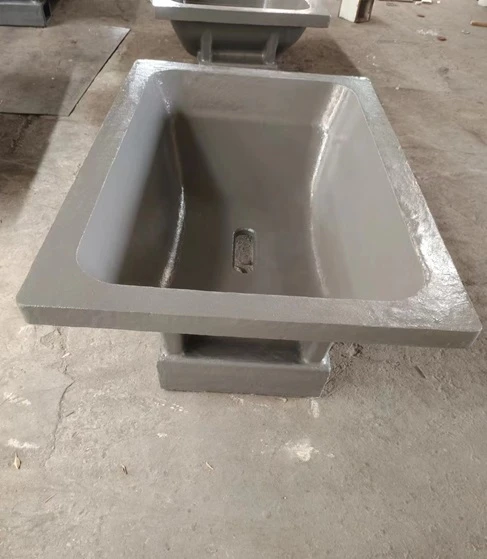
First things first, let's talk a bit about what dross pans are. Dross is the waste material that forms on the surface of molten metal during the smelting process. Dross pans are designed to collect this waste, keeping your work area clean and preventing contamination of the molten metal. They come in various shapes and sizes, and are made from different materials, depending on the specific application.
If you're in the market for dross pans, you might want to check out our Dross and Drain Pans and Slag And Dross Pan options. These pans are made from high-quality materials and are built to last, ensuring that you get the best value for your money.
Choosing the Right Dross Pan
The first step in improving the efficiency of using dross pans is choosing the right one for your needs. Here are some factors to consider:
- Size: The size of the dross pan should be appropriate for the amount of dross you expect to collect. If the pan is too small, you'll have to empty it frequently, which can be time-consuming. On the other hand, if the pan is too large, it may take up unnecessary space and be more difficult to handle.
- Material: Dross pans can be made from a variety of materials, including steel, cast iron, and ceramic. Each material has its own advantages and disadvantages, so it's important to choose the one that best suits your application. For example, steel pans are durable and can withstand high temperatures, while ceramic pans are lightweight and resistant to corrosion.
- Design: The design of the dross pan can also affect its efficiency. Look for pans with features such as easy-to-clean surfaces, pour spouts, and handles for easy handling.
Proper Installation and Placement
Once you've chosen the right dross pan, it's important to install and place it correctly. Here are some tips:
- Install the pan securely: Make sure the dross pan is installed securely in the appropriate location. This will prevent it from tipping over or moving during use, which can cause spills and accidents.
- Place the pan close to the source of dross: To minimize the distance the dross has to travel, place the pan as close as possible to the source of the dross. This will make it easier to collect the dross and reduce the risk of spills.
- Ensure proper ventilation: Dross collection can produce fumes and gases, so it's important to ensure proper ventilation in the area where the dross pan is located. This will help to keep the air clean and prevent health problems for workers.
Regular Maintenance
Regular maintenance is essential for ensuring the efficiency and longevity of your dross pans. Here are some maintenance tasks you should perform:
- Clean the pan regularly: After each use, clean the dross pan to remove any remaining dross or debris. This will prevent the buildup of material, which can reduce the pan's capacity and efficiency. You can use a wire brush or a high-pressure water jet to clean the pan.
- Inspect the pan for damage: Regularly inspect the dross pan for any signs of damage, such as cracks, holes, or worn-out parts. If you notice any damage, repair or replace the pan as soon as possible to prevent further problems.
- Lubricate moving parts: If your dross pan has any moving parts, such as hinges or handles, lubricate them regularly to ensure smooth operation. This will prevent the parts from sticking or breaking, which can affect the pan's efficiency.
Training Your Staff
Another important factor in improving the efficiency of using dross pans is training your staff. Make sure your employees are familiar with the proper use, installation, and maintenance of the dross pans. Provide them with clear instructions and guidelines on how to handle the dross safely and efficiently.
Here are some training topics you might want to cover:
- Dross collection procedures: Teach your staff the proper procedures for collecting dross, including how to use the dross pan and how to transfer the dross to a storage container.
- Safety precautions: Emphasize the importance of safety when working with dross. This includes wearing appropriate personal protective equipment (PPE), such as gloves and goggles, and following proper ventilation procedures.
- Maintenance and troubleshooting: Train your staff on how to perform basic maintenance tasks on the dross pans, such as cleaning and inspecting them. Also, teach them how to troubleshoot common problems, such as leaks or blockages.
Using Technology to Improve Efficiency
In today's digital age, there are many technological solutions available that can help you improve the efficiency of using dross pans. Here are some examples:
- Automated dross collection systems: These systems use sensors and robotics to automatically collect and dispose of dross. They can significantly reduce the amount of time and labor required for dross collection, improving efficiency and productivity.
- Monitoring and control systems: These systems allow you to monitor the performance of your dross pans in real-time. You can track factors such as the amount of dross collected, the temperature of the pan, and the frequency of emptying. This information can help you identify areas for improvement and make adjustments to your processes as needed.
- Heat-resistant coatings: Applying a heat-resistant coating to your dross pans can help to improve their efficiency and longevity. These coatings can reduce the amount of heat transfer from the molten metal to the pan, which can prevent the pan from overheating and extending its lifespan.
Recycling Dross
Finally, don't forget about the importance of recycling dross. Dross contains valuable metals and other materials that can be recovered and reused. By recycling your dross, you can not only reduce waste but also save money on raw materials.
Here are some tips on recycling dross:

- Find a reputable recycling company: Look for a recycling company that specializes in recycling dross and has a good reputation in the industry. Make sure they have the necessary equipment and expertise to handle your dross safely and efficiently.
- Separate different types of dross: If you have different types of dross, such as aluminum dross and copper dross, separate them before sending them to the recycling company. This will make it easier for the recycling process and increase the value of the recovered materials.
- Keep records of your dross recycling: Keep records of the amount of dross you recycle and the value of the recovered materials. This will help you track your savings and make informed decisions about your recycling program.
Conclusion
Improving the efficiency of using dross pans is essential for any business that deals with molten metal. By choosing the right pan, installing and placing it correctly, performing regular maintenance, training your staff, using technology, and recycling dross, you can significantly increase your productivity and reduce your costs.
If you're interested in learning more about our Dross Pans or have any questions about improving dross pan efficiency, feel free to contact us. We'd be happy to help you find the best solutions for your needs and guide you through the purchasing process. Let's work together to make your dross collection process more efficient and profitable!
References
- Industry best practices for dross management
- Manufacturer's guidelines for dross pan use and maintenance
- Research on dross recycling and waste reduction