

In a high-volume production environment, the proper handling of dross pans is crucial for maintaining efficiency, safety, and product quality. As a dross pans supplier, I've witnessed firsthand the challenges that manufacturers face when dealing with these essential components. In this blog post, I'll share some insights and best practices on how to handle dross pans effectively in a high-volume production setting.
Understanding Dross Pans
Before delving into handling techniques, it's important to understand what dross pans are and their role in the production process. Dross pans are containers used to collect and hold dross, which is a byproduct of metal melting and refining processes. Dross consists of impurities, oxides, and other unwanted materials that float to the surface of the molten metal. By collecting the dross in pans, manufacturers can prevent it from contaminating the final product and ensure a cleaner, higher-quality output.

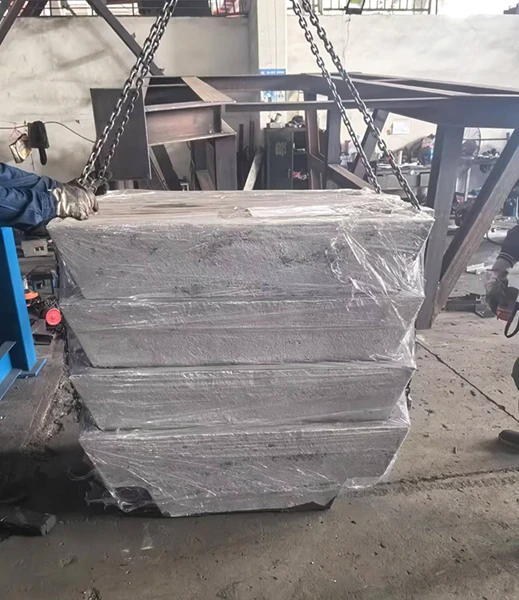
Selecting the Right Dross Pans
The first step in handling dross pans effectively is selecting the right ones for your production environment. When choosing dross pans, consider the following factors:
- Material: Dross pans are typically made from materials such as steel, cast iron, or refractory materials. The choice of material depends on the type of metal being processed, the temperature of the molten metal, and the specific requirements of your production process. For example, steel dross pans are suitable for most applications due to their durability and resistance to high temperatures.
- Size and Capacity: The size and capacity of the dross pans should be based on the volume of dross generated during the production process. It's important to choose pans that are large enough to hold the dross without overflowing, but not so large that they are difficult to handle or transport.
- Design: The design of the dross pans can also affect their performance and ease of use. Look for pans with features such as handles, pouring spouts, and smooth interiors to facilitate handling and cleaning.
Loading and Unloading Dross Pans
Once you've selected the right dross pans for your production environment, the next step is to load and unload them safely and efficiently. Here are some tips to keep in mind:
- Use Proper Equipment: When loading and unloading dross pans, it's important to use the right equipment to ensure safety and prevent damage to the pans. This may include forklifts, cranes, or other lifting devices. Make sure the equipment is properly maintained and operated by trained personnel.
- Follow Safety Procedures: Loading and unloading dross pans can be a hazardous task, so it's important to follow all safety procedures to prevent accidents and injuries. This may include wearing protective clothing, using safety barriers, and following proper lifting techniques.
- Minimize Spillage: To prevent spillage and contamination, it's important to load and unload the dross pans carefully. Make sure the pans are positioned correctly and that the dross is transferred smoothly and evenly. If spillage occurs, clean it up immediately to prevent slips and falls.
Cleaning and Maintenance
Regular cleaning and maintenance of dross pans are essential for ensuring their longevity and performance. Here are some tips to keep in mind:
- Clean the Pans Regularly: After each use, the dross pans should be cleaned to remove any remaining dross or debris. This can be done using a variety of methods, such as scraping, brushing, or pressure washing. Make sure to clean the pans thoroughly to prevent the buildup of dross and other contaminants.
- Inspect the Pans for Damage: Regularly inspect the dross pans for signs of damage, such as cracks, holes, or warping. If any damage is found, the pans should be repaired or replaced immediately to prevent further damage and ensure safe operation.
- Store the Pans Properly: When not in use, the dross pans should be stored in a clean, dry place to prevent corrosion and damage. Make sure the pans are stacked securely and that they are not exposed to extreme temperatures or humidity.
Recycling and Disposal
In addition to cleaning and maintenance, it's also important to consider the recycling and disposal of dross pans. Dross pans can be recycled to recover valuable metals and reduce waste. Here are some tips to keep in mind:
- Separate the Dross: Before recycling the dross pans, it's important to separate the dross from the pans. This can be done using a variety of methods, such as screening, magnetic separation, or chemical processing.
- Choose a Reputable Recycling Company: When recycling the dross pans, it's important to choose a reputable recycling company that has the experience and expertise to handle the materials safely and efficiently. Make sure the company is licensed and insured and that they follow all environmental regulations.
- Dispose of the Dross Properly: If the dross cannot be recycled, it should be disposed of properly in accordance with local environmental regulations. This may include landfilling, incineration, or other methods of disposal.
Conclusion
Handling dross pans in a high-volume production environment requires careful planning, proper equipment, and regular maintenance. By following the tips and best practices outlined in this blog post, you can ensure that your dross pans are handled safely and efficiently, which will help to improve the overall performance and productivity of your production process.
If you're interested in learning more about our dross pans or other related products, such as Sow Molds with Multiple Chambers, Copper Melting Mold, or Slag Pot, please don't hesitate to contact us. We'd be happy to discuss your specific needs and provide you with a customized solution.
References
- "Dross Management in Metal Production." Metal Processing Magazine, Vol. XX, Issue XX, 20XX.
- "Best Practices for Handling Dross Pans." Industrial Safety Journal, Vol. XX, Issue XX, 20XX.
- "Recycling and Disposal of Dross in the Metal Industry." Environmental Science and Technology, Vol. XX, Issue XX, 20XX.