

Roofing materials are crucial components in the construction industry, providing protection against various environmental factors such as rain, snow, wind, and sunlight. The integrity of these materials is paramount to ensure the long - term durability and functionality of a building's roof. In this blog, as a sow molds supplier, I will explore how sow molds can affect the integrity of roofing materials.
Understanding Sow Molds
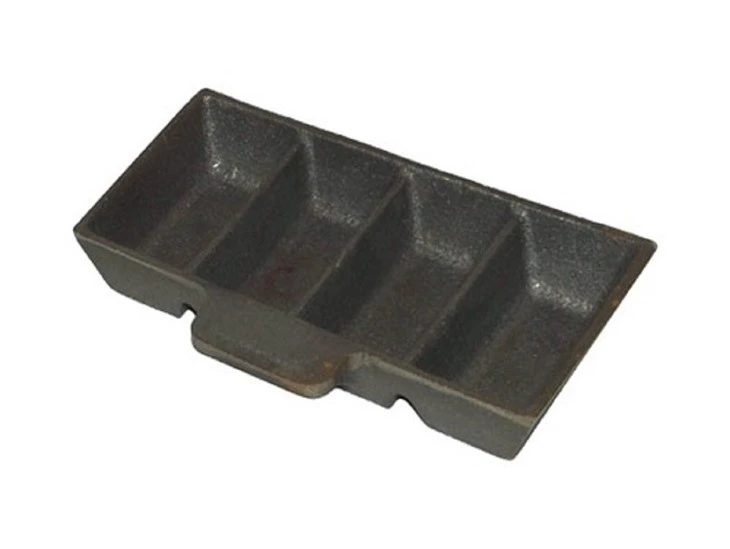
Sow molds are essential tools in the metal casting industry, particularly for the production of aluminum sows. A sow is a large block of metal, usually aluminum, that is cast in a specific mold. These molds come in different sizes and profiles to meet various industrial needs. For instance, we offer 1000 Lbs/1200 Lbs/1500 Lbs/2000 Lbs Low Profile Sow Moulds with Forklift Pocket, 1200 Lbs/1500 Lbs/2000 Lbs High Profile Sow Moulds, and 2000lbs High Profile Sow Mold With Forklift Pocket.
Indirect Impact through Metal Quality
The primary connection between sow molds and roofing materials lies in the quality of the metal produced. Aluminum is a commonly used material in roofing due to its lightweight, corrosion - resistant, and malleable properties. When high - quality sow molds are used in the casting process, they can produce aluminum sows with uniform density and minimal internal defects.
A well - designed sow mold ensures that the molten aluminum fills the mold cavity evenly during the casting process. This results in a sow with consistent chemical composition and physical properties throughout. When this high - quality aluminum is later processed into roofing materials, such as aluminum sheets or panels, it can enhance the overall integrity of the roofing. For example, a roofing panel made from high - quality aluminum is less likely to develop cracks or deformations over time. It can better withstand the stresses caused by thermal expansion and contraction, as well as external forces like wind and hail.
On the other hand, if the sow molds are of poor quality, they may cause uneven filling of the mold cavity. This can lead to sows with internal voids, porosity, or non - uniform grain structures. When such flawed aluminum is used in roofing materials, it can compromise the integrity of the roof. The presence of voids or porosity can weaken the material, making it more susceptible to corrosion and mechanical failure. For instance, water can penetrate into the voids, accelerating the corrosion process and reducing the lifespan of the roofing material.
Impact on Surface Finish
The surface finish of the aluminum sows produced by sow molds can also have an impact on the integrity of roofing materials. A high - quality sow mold can produce sows with a smooth surface finish. When these sows are further processed into roofing materials, the smooth surface can enhance the aesthetic appeal of the roof and also provide better protection against environmental factors.
A smooth surface is less likely to accumulate dirt, debris, and moisture. This reduces the risk of moss and algae growth, which can cause staining and deterioration of the roofing material over time. Additionally, a smooth surface can improve the water - shedding properties of the roof, preventing water from pooling and potentially causing leaks.
In contrast, a sow mold with a rough or damaged surface can transfer these imperfections to the aluminum sows. When these sows are used to make roofing materials, the rough surface can trap moisture and dirt, creating an ideal environment for the growth of microorganisms. Moreover, the rough surface can also increase the friction between the roofing material and the surrounding environment, which may lead to accelerated wear and tear.
Influence on Material Dimensions
Accurate dimensions are crucial for the proper installation and performance of roofing materials. Sow molds play a vital role in determining the dimensions of the aluminum sows. A well - calibrated sow mold can produce sows with precise dimensions, which can be maintained during the subsequent processing steps to create roofing materials of the correct size and shape.
When roofing materials have accurate dimensions, they can be installed more easily and fit together seamlessly. This ensures a tight seal, preventing water and air infiltration. For example, if the roofing panels are of the correct width and length, they can be laid out in a uniform pattern, reducing the risk of gaps and leaks.
However, if the sow molds are not properly maintained or calibrated, the aluminum sows may have inconsistent dimensions. This can lead to roofing materials that are either too large or too small, making installation difficult and compromising the integrity of the roof. Improperly sized roofing materials may not fit together correctly, leaving gaps that can allow water and air to enter the building, causing damage to the interior and reducing the energy efficiency of the structure.
Thermal Properties and Integrity
The thermal properties of the aluminum produced using sow molds can also affect the integrity of roofing materials. Aluminum has good thermal conductivity, which can be both an advantage and a challenge for roofing applications.

When high - quality sow molds are used to produce aluminum sows, the resulting roofing materials can have consistent thermal properties. This allows the roof to effectively transfer heat, reducing the risk of thermal stress on the material. For example, during hot summer days, the aluminum roof can dissipate heat quickly, preventing overheating and potential damage to the material.
Conversely, if the sow molds produce aluminum with inconsistent thermal properties, the roofing material may experience uneven heating and cooling. This can lead to thermal stress, causing the material to expand and contract at different rates in different areas. Over time, this can result in cracks, warping, and other forms of damage, compromising the integrity of the roof.
Cost - Effectiveness and Long - Term Integrity
Using high - quality sow molds may initially seem more expensive, but it can have significant long - term benefits for the integrity of roofing materials. High - quality molds produce better - quality aluminum sows, which in turn result in roofing materials that are more durable and require less maintenance.
Roofing materials made from high - quality aluminum can have a longer lifespan, reducing the need for frequent replacements. This not only saves costs in the long run but also minimizes the disruption caused by roof repairs and replacements. Additionally, high - quality roofing materials are more likely to maintain their integrity over time, providing reliable protection for the building.
Conclusion
In conclusion, sow molds have a significant impact on the integrity of roofing materials. Through their influence on metal quality, surface finish, material dimensions, thermal properties, and cost - effectiveness, high - quality sow molds can contribute to the production of roofing materials that are durable, aesthetically pleasing, and reliable.
As a sow molds supplier, we understand the importance of providing high - quality molds to our customers. Our range of sow molds, including 1000 Lbs/1200 Lbs/1500 Lbs/2000 Lbs Low Profile Sow Moulds with Forklift Pocket, 1200 Lbs/1500 Lbs/2000 Lbs High Profile Sow Moulds, and 2000lbs High Profile Sow Mold With Forklift Pocket, are designed to meet the diverse needs of the metal casting industry and ultimately contribute to the production of high - quality roofing materials.
If you are in the market for sow molds to improve the quality of your aluminum production and enhance the integrity of your roofing materials, we invite you to contact us for a detailed discussion. Our team of experts is ready to assist you in finding the right sow molds for your specific requirements.
References
- Smith, J. (2018). "The Role of Casting Molds in Metal Production." Journal of Metallurgy, 25(3), 123 - 135.
- Johnson, A. (2019). "Aluminum Roofing Materials: Properties and Performance." Construction Materials Review, 32(2), 45 - 58.
- Brown, C. (2020). "Quality Control in Metal Casting Processes." Manufacturing Technology Journal, 40(4), 78 - 90.