

In the realm of metal production and manufacturing, dross and drain pans play a crucial role in maintaining efficiency and quality. As a dedicated supplier of Dross and Drain Pans, I often encounter inquiries about the availability of these essential tools in different shapes. In this blog post, I will delve into the topic, exploring the various shapes of dross and drain pans, their applications, and the benefits they offer.
The Importance of Dross and Drain Pans
Before we discuss the shapes of dross and drain pans, it's essential to understand their significance in the metal production process. Dross, a byproduct of metal smelting, consists of impurities, oxides, and other unwanted materials that float to the surface of the molten metal. If not removed, dross can contaminate the final product, affecting its quality and performance. Drain pans, on the other hand, are used to collect and remove excess molten metal and slag from the production area, preventing spills and maintaining a clean and safe working environment.
Dross and drain pans are typically made of high-quality steel or other heat-resistant materials to withstand the extreme temperatures and harsh conditions of the metal production process. They are designed to be durable, easy to clean, and efficient in removing dross and collecting molten metal.
Different Shapes of Dross and Drain Pans
Dross and drain pans are available in a wide range of shapes and sizes to meet the specific needs of different metal production processes. Some of the most common shapes include:
- Rectangular Pans: Rectangular pans are the most popular shape for dross and drain pans due to their versatility and ease of use. They are available in various sizes and can be customized to fit the specific requirements of the production area. Rectangular pans are ideal for collecting dross and molten metal from large surface areas and can be easily transported and emptied.
- Round Pans: Round pans are another common shape for dross and drain pans. They are often used in applications where space is limited or where a more compact design is required. Round pans are also easier to clean and maintain than rectangular pans, as they have no corners or edges where dross and molten metal can accumulate.
- Square Pans: Square pans are similar to rectangular pans but have a more compact design. They are often used in applications where space is limited or where a more precise fit is required. Square pans are also easier to stack and store than rectangular pans, making them a popular choice for metal production facilities with limited storage space.
- Oval Pans: Oval pans are a less common shape for dross and drain pans but are often used in applications where a more streamlined design is required. Oval pans are ideal for collecting dross and molten metal from curved or irregularly shaped surfaces and can be customized to fit the specific requirements of the production area.
Applications of Different Shapes of Dross and Drain Pans
The shape of a dross and drain pan can have a significant impact on its performance and suitability for different applications. Here are some examples of how different shapes of dross and drain pans are used in various metal production processes:
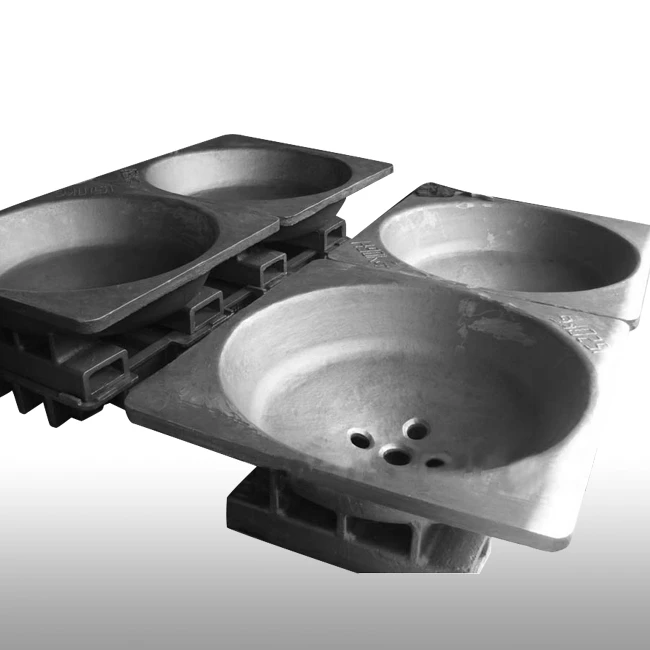

- Aluminum Production: In the aluminum production process, dross and drain pans are used to collect and remove dross and molten aluminum from the smelting furnace and other production equipment. Rectangular pans are the most commonly used shape in aluminum production due to their large surface area and ability to collect dross and molten aluminum from large areas. Round pans are also used in some applications, particularly in areas where space is limited or where a more compact design is required.
- Steel Production: In the steel production process, dross and drain pans are used to collect and remove dross and molten steel from the electric arc furnace and other production equipment. Square pans are the most commonly used shape in steel production due to their compact design and ability to fit into tight spaces. Rectangular pans are also used in some applications, particularly in areas where a larger surface area is required.
- Foundry Operations: In foundry operations, dross and drain pans are used to collect and remove dross and molten metal from the casting molds and other production equipment. Oval pans are the most commonly used shape in foundry operations due to their streamlined design and ability to collect dross and molten metal from curved or irregularly shaped surfaces. Round pans are also used in some applications, particularly in areas where space is limited or where a more compact design is required.
Benefits of Using Different Shapes of Dross and Drain Pans
Using the right shape of dross and drain pan can offer several benefits, including:
- Improved Efficiency: Using a dross and drain pan that is specifically designed for the application can improve the efficiency of the metal production process by reducing the time and effort required to collect and remove dross and molten metal. For example, a rectangular pan with a large surface area can collect dross and molten metal from a large area in a single pass, reducing the number of passes required and increasing the overall efficiency of the process.
- Enhanced Safety: Using a dross and drain pan that is designed to prevent spills and leaks can enhance the safety of the metal production process by reducing the risk of accidents and injuries. For example, a round pan with a smooth, curved surface can prevent dross and molten metal from splashing out of the pan, reducing the risk of burns and other injuries.
- Better Quality Control: Using a dross and drain pan that is designed to collect and remove dross and molten metal effectively can improve the quality of the final product by reducing the amount of impurities and contaminants in the metal. For example, a square pan with a precise fit can prevent dross and molten metal from leaking into the surrounding area, reducing the risk of contamination and improving the overall quality of the final product.
- Cost Savings: Using a dross and drain pan that is durable and easy to clean can save money in the long run by reducing the need for frequent replacement and maintenance. For example, a high-quality steel pan that is designed to withstand the extreme temperatures and harsh conditions of the metal production process can last for many years, reducing the need for frequent replacement and saving money on replacement costs.
Conclusion
In conclusion, dross and drain pans are available in a wide range of shapes and sizes to meet the specific needs of different metal production processes. The shape of a dross and drain pan can have a significant impact on its performance and suitability for different applications. By choosing the right shape of dross and drain pan, metal production facilities can improve the efficiency, safety, and quality of their operations while reducing costs.
If you are in the market for high-quality dross and drain pans, contact us today to learn more about our products and how they can benefit your metal production process. Our team of experts will work with you to understand your specific needs and recommend the best dross and drain pans for your application.
References
- "Metal Production Processes." Encyclopedia Britannica.
- "Dross and Drain Pans: A Guide to Selection and Use." Metalworking Magazine.
- "The Importance of Dross and Drain Pans in Metal Production." Journal of Metals Technology.