

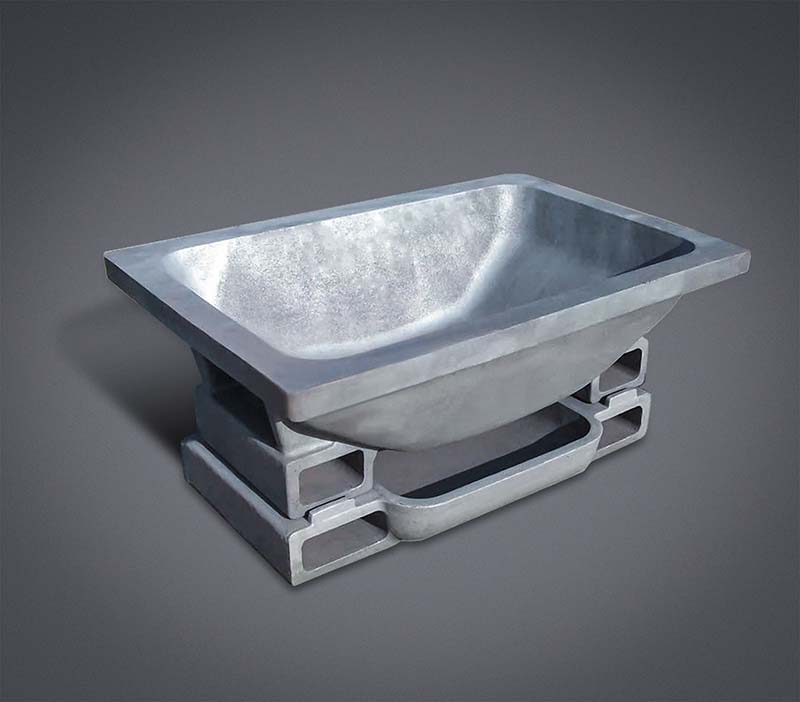
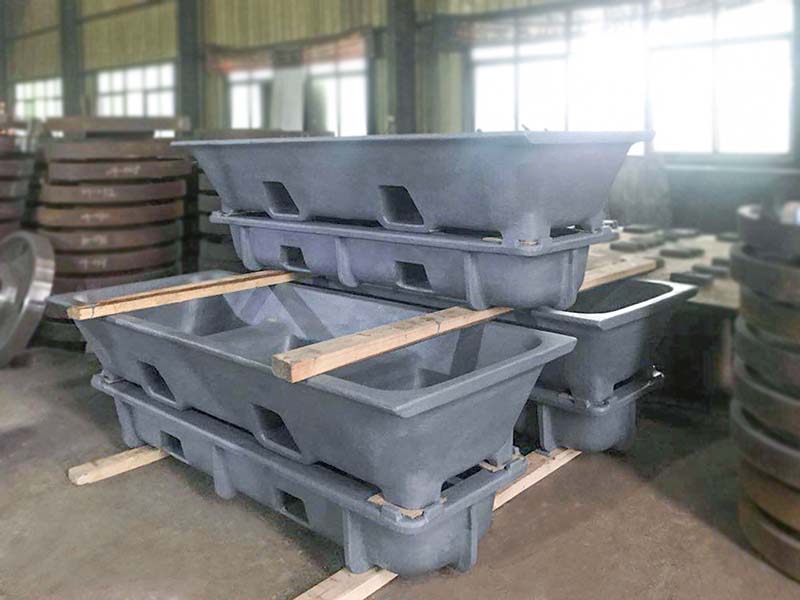
Sow molds, drain pans are indispensable equipment in the casting process for the collection and transportation of aluminum slag and liquid aluminum, thus contributing to the overall cleanliness and functionality of the workplace. However, in order to improve the working environment and increase the amount of recycling, it is necessary to pay attention to the safety issues when using them
Understanding the Risks
Before delving into safety measures, it's crucial to understand the potential risks associated with dross and drain pans. These risks can include exposure to hazardous materials, the possibility of spills or leaks, and the potential for slips and falls due to wet surfaces. Recognizing these risks is the first step in developing an effective safety protocol.
1. Personal Protective Equipment (PPE)
One of the fundamental safety measures is the use of proper Personal Protective Equipment (PPE). Individuals working with dross and drain pans should wear appropriate gear, including gloves, safety goggles, and, if necessary, protective clothing. This safeguards against direct contact with potentially harmful substances and reduces the risk of injuries.
2. Training and Education
Ensuring that personnel are well-trained and educated on the proper handling of dross and drain pans is paramount. Training programs should cover the correct techniques for transporting, emptying, and cleaning these components. Additionally, employees should be informed about the potential hazards associated with the materials collected in the pans.
3. Adequate Ventilation
Many industrial processes involve the use of materials that emit fumes or gases. To mitigate the risks associated with inhalation, it's crucial to have adequate ventilation systems in place. Proper airflow helps disperse potentially harmful substances, creating a safer working environment for employees.
4. Regular Maintenance and Inspection
Regular maintenance and inspection of dross and drain pans are essential for identifying potential issues before they escalate. Inspections should include checking for cracks, leaks, or any signs of wear and tear. Addressing these issues promptly ensures the continued effectiveness of the pans and reduces the likelihood of accidents.
5. Safe Handling and Transport
When handling dross and drain pans, it's essential to follow safe lifting and transporting practices. Pans should be emptied and moved carefully to avoid spills or leaks. If the collected materials are hazardous, special precautions should be taken to prevent exposure during transportation.
6. Emergency Response Plan
In the event of spills, leaks, or other emergencies, having a well-defined emergency response plan is crucial. This plan should outline the steps to be taken, including notifying relevant personnel, evacuating the area if necessary, and implementing cleanup procedures. Adequate training on the emergency response plan is equally important.
7. Labeling and Signage
Proper labeling of dross and drain pans is a simple yet effective safety measure. Clear labels indicating the type of materials in the pans, potential hazards, and proper handling instructions provide valuable information to personnel. Additionally, strategically placed signage reminds workers of safety protocols in the vicinity of these components.
8. Containment Systems
Implementing effective containment systems around dross and drain pans can prevent spills from spreading and causing larger safety hazards. Secondary containment measures, such as barriers or berms, can be particularly useful in areas where large quantities of liquids are being handled.
Conclusion
In conclusion, prioritizing safety when working with dross and drain pans is essential for creating a secure and productive industrial environment. By implementing measures such as personal protective equipment, proper training, and regular maintenance, companies can minimize the risks associated with these components. A proactive approach to safety not only protects the well-being of employees but also contributes to the overall efficiency and success of industrial operations.
Contact us
86 029 87607185 86 029 87669660 86 029 87607180ext. 8003
Email:tech@huan-tai.org
Address:No.68, 2nd Keji Road Xian, China 710075