

Aluminum dross is a by-product of aluminum smelting and refining process, and the treatment and management of aluminum dross has become the focus of attention. However, the introduction of aluminum slag tanks has solved the key problem, but with the development of technology, customers have higher requirements for slag tanks. Therefore, in slag pot can casting, there will be large slag pot can shape, thick wall thickness, and many plate-like vertical steel bars distributed in the circumference, forming many local heat dissipation nodes that are not conducive to feeding. T-shaped steel bars are prone to shrinkage holes, shrinkage holes and cracks, etc. Therefore, we have taken some necessary measures to solve these problems, and also developed HT thermal shock resistance enhanced cast steel material, to ensure the quality of the casting.
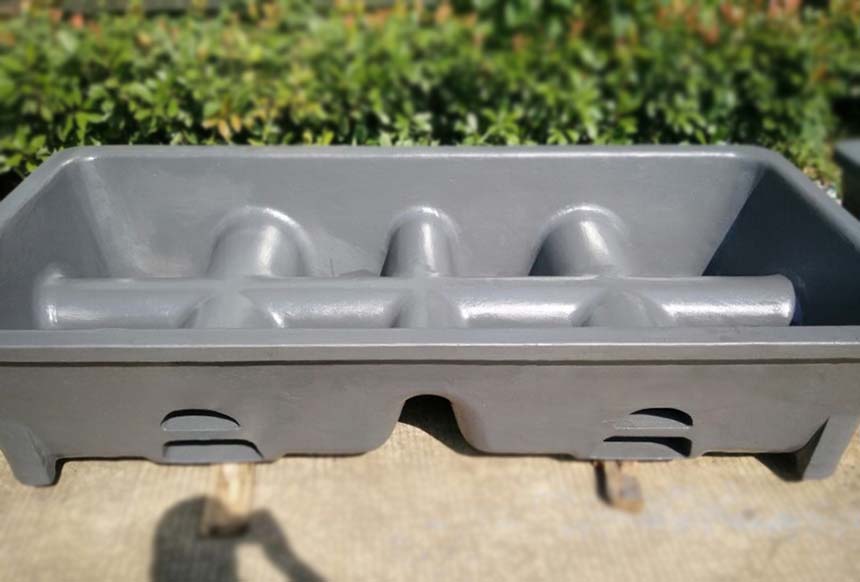
The Role of Aluminum Slag Pot in Metal Production:
1. Efficient Collection and Transport:
Aluminum slag pots are designed to efficiently collect and transport molten aluminum slag from the smelting furnace to the processing area. Their robust construction and heat-resistant materials ensure safe containment and transportation, minimizing the risk of environmental contamination and workplace hazards.
2. Optimized Cooling and Solidification:
The aluminum slag pot plays a crucial role in the controlled cooling and solidification of molten slag. By providing a contained environment, it prevents uncontrolled cooling that could lead to hazardous reactions. This optimized process not only enhances safety but also improves the quality of the solidified slag for potential reuse.
3. Facilitating Resource Recovery:
One of the key features of aluminum slag pots is their role in facilitating resource recovery. As technology advances, innovative methods are employed to extract valuable materials from the slag, including aluminum oxide. This resource recovery not only reduces the environmental impact but also contributes to the circular economy within the aluminum production process.
Environmental Benefits of Aluminum Slag Pot Technology
1. Reduced Environmental Footprint:
The use of aluminum slag pots significantly reduces the environmental footprint associated with aluminum production. By efficiently containing and transporting molten slag, the risk of soil and water contamination is minimized, promoting a cleaner and more sustainable production process.
2. Energy Efficiency:
Aluminum slag pots contribute to energy efficiency by allowing for controlled cooling and solidification. This not only improves safety but also reduces the overall energy consumption in the aluminum production cycle, aligning with global efforts to promote sustainable and eco-friendly practices.
3. Minimized Air Emissions:
Traditional methods of handling aluminum slag often involve processes that release harmful emissions. The use of aluminum slag pots helps minimize these emissions by providing a controlled and contained environment for the molten slag, aligning with global initiatives to reduce air pollution.
Applications in Various Industries
1. Construction Materials:
Aluminum slag, when properly processed with the help of aluminum slag pots, can be used in the production of construction materials such as concrete and asphalt. This contributes to sustainable construction practices by utilizing recycled materials.
2. Manufacturing of Abrasives:
The extraction of aluminum oxide from aluminum slag, facilitated by aluminum slag pots, opens opportunities for manufacturing abrasives. This has applications in various industries, including metalworking and sandblasting, providing a valuable secondary resource.
3. Land Reclamation:
Treated and stabilized aluminum slag from slag pots can be used in land reclamation projects. Its properties make it suitable for improving soil structure and promoting vegetation growth in areas affected by industrial activities.
Challenges and Future Outlook
While aluminum slag pot technology offers significant advantages, challenges remain. Continued research and development are needed to optimize resource recovery processes, explore innovative applications for recycled aluminum slag, and establish standardized practices for widespread adoption.
Conclusion
According to the structural development characteristics and quality management requirements of the slag pot, the technical scheme and process design parameters of the casting are particularly important, and the key progress of the aluminum slag pot aluminum industry toward sustainable development not only solves the environmental problems related to aluminum production, but also strengthens the resource recovery, improved productivity and molding area utilization.
Contact Us
86 029 87607185,86 029 87669660, 86 029 87607180 ext. 8003
Email: Tech@huan-tai.org
Address:No.68, 2nd Keji Road Xian, China 710075