

Vibration is a common phenomenon in the operation of jaw crushers, and it can have a significant impact on the wear parts of these machines. As a supplier of Jaw Crusher Wear Parts, I've seen firsthand how vibration can affect the lifespan and performance of these crucial components. In this blog, I'll dive into the details of how vibration impacts jaw crusher wear parts and what you can do to mitigate these effects.
How Vibration Occurs in Jaw Crushers
Before we discuss the impact of vibration on wear parts, let's first understand how vibration occurs in jaw crushers. Jaw crushers work by compressing and crushing materials between a fixed jaw and a moving jaw. The moving jaw is driven by an eccentric shaft, which causes it to move back and forth in an elliptical motion. This motion creates a crushing force that breaks down the materials into smaller pieces.
However, this mechanical movement also generates vibration. The vibration can be caused by several factors, including the uneven distribution of the material being crushed, the imbalance of the moving parts, and the improper installation or alignment of the crusher. Additionally, the type of material being crushed can also affect the level of vibration. Harder and more abrasive materials tend to generate more vibration than softer materials.
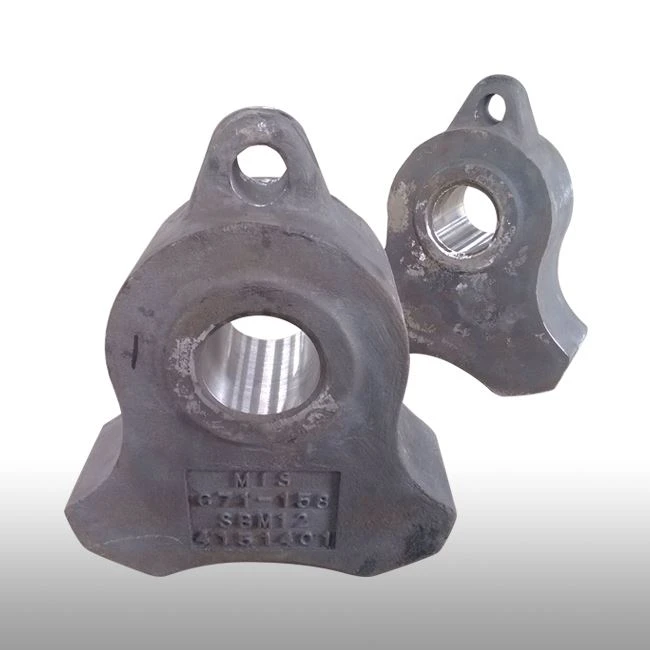
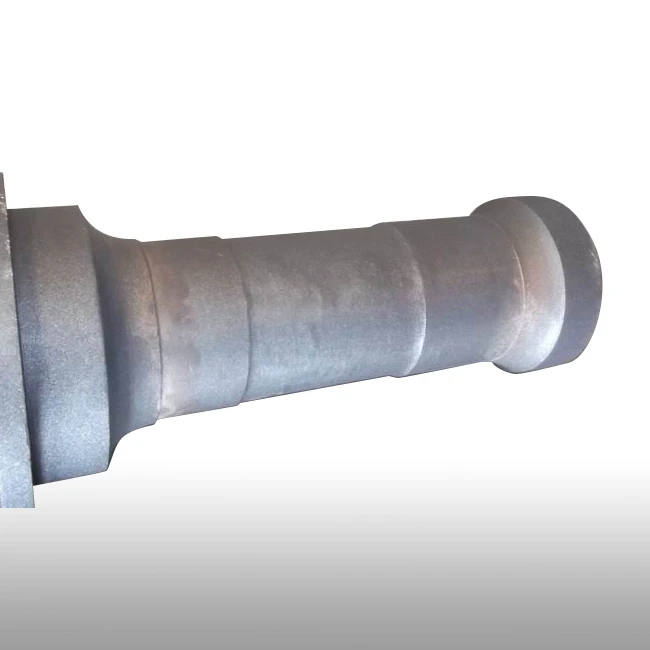
The Impact of Vibration on Jaw Crusher Wear Parts
Vibration can have several negative impacts on jaw crusher wear parts. Here are some of the most common effects:
Accelerated Wear
One of the most significant impacts of vibration on jaw crusher wear parts is accelerated wear. The constant vibration causes the wear parts to rub against each other and the materials being crushed, leading to increased friction and abrasion. Over time, this can cause the wear parts to wear out more quickly, reducing their lifespan and increasing the frequency of replacement.
For example, the jaw plates, which are the main wear parts in a jaw crusher, are particularly susceptible to wear caused by vibration. The vibration can cause the jaw plates to shift or move slightly, which can lead to uneven wear and the formation of grooves and pits on the surface. This not only reduces the efficiency of the crushing process but also increases the risk of the jaw plates breaking or cracking.
Fatigue and Cracking
Vibration can also cause fatigue and cracking in jaw crusher wear parts. The repeated stress and strain caused by the vibration can weaken the material of the wear parts, making them more prone to cracking and failure. This is especially true for parts that are made of brittle materials, such as cast iron or some types of steel.
For instance, the toggle plate, which is responsible for transmitting the force from the moving jaw to the frame of the crusher, can be affected by vibration-induced fatigue. The constant vibration can cause the toggle plate to bend or deform, leading to cracks and eventually failure. If the toggle plate fails, it can cause significant damage to the crusher and disrupt the production process.
Loosening of Fasteners
Another impact of vibration on jaw crusher wear parts is the loosening of fasteners. The vibration can cause the bolts, nuts, and other fasteners that hold the wear parts in place to loosen over time. This can lead to the wear parts becoming misaligned or moving out of position, which can affect the performance of the crusher and increase the risk of damage.
For example, if the bolts that hold the jaw plates in place become loose, the jaw plates may shift or move during operation, causing uneven wear and reducing the crushing efficiency. In addition, loose fasteners can also increase the risk of the wear parts falling off or coming into contact with other components of the crusher, which can cause serious damage.
Reduced Performance
Finally, vibration can also reduce the overall performance of the jaw crusher. The wear and damage caused by vibration can lead to a decrease in the crushing efficiency, capacity, and product quality of the crusher. This can result in higher operating costs, lower productivity, and a decrease in the profitability of the operation.
For example, if the jaw plates are worn or damaged due to vibration, they may not be able to crush the materials effectively, leading to larger particle sizes and a lower quality of the final product. In addition, the increased wear and tear on the wear parts can also require more frequent maintenance and replacement, which can increase the downtime of the crusher and reduce the overall productivity.
Mitigating the Impact of Vibration on Jaw Crusher Wear Parts
While vibration is an inevitable part of the operation of jaw crushers, there are several steps that can be taken to mitigate its impact on the wear parts. Here are some of the most effective strategies:
Proper Installation and Alignment
One of the most important steps in reducing the impact of vibration on jaw crusher wear parts is to ensure proper installation and alignment of the crusher. This includes making sure that the crusher is level and stable, and that all the components are properly aligned and tightened. Improper installation or alignment can cause uneven stress and vibration, which can lead to premature wear and damage of the wear parts.
For example, when installing the crusher, it is important to use a level to ensure that the base of the crusher is perfectly horizontal. This will help to distribute the weight of the crusher evenly and reduce the vibration. In addition, the moving parts of the crusher, such as the eccentric shaft and the toggle plate, should be properly aligned to ensure smooth operation and minimize vibration.
Balancing of Moving Parts
Another effective strategy for reducing vibration is to balance the moving parts of the crusher. The imbalance of the moving parts can cause excessive vibration, which can lead to accelerated wear and damage of the wear parts. By balancing the moving parts, such as the flywheel and the eccentric shaft, the vibration can be reduced significantly.
For example, a balanced flywheel can help to smooth out the motion of the moving jaw and reduce the vibration. This can be achieved by adding or removing weight from the flywheel to ensure that it is evenly balanced. Similarly, the eccentric shaft should be balanced to ensure that it rotates smoothly and does not cause excessive vibration.
Use of Vibration Dampening Materials
Using vibration dampening materials can also help to reduce the impact of vibration on jaw crusher wear parts. These materials can absorb and dissipate the vibration energy, reducing the stress and strain on the wear parts. Some common vibration dampening materials include rubber pads, springs, and shock absorbers.
For example, rubber pads can be placed between the crusher and the foundation to absorb the vibration and reduce the transfer of the vibration to the wear parts. Similarly, springs can be used to support the moving parts of the crusher and reduce the vibration. Shock absorbers can also be installed on the crusher to dampen the impact of the vibration and protect the wear parts.
Regular Maintenance and Inspection
Regular maintenance and inspection are essential for ensuring the proper operation of the jaw crusher and reducing the impact of vibration on the wear parts. This includes checking the tightness of the fasteners, the alignment of the components, and the condition of the wear parts on a regular basis. Any signs of wear, damage, or misalignment should be addressed immediately to prevent further problems.
For example, during the regular maintenance, the bolts and nuts that hold the wear parts in place should be checked and tightened if necessary. The jaw plates should be inspected for wear and replaced if they are worn beyond the recommended limit. In addition, the alignment of the moving parts should be checked and adjusted if necessary to ensure smooth operation and minimize vibration.
Conclusion
In conclusion, vibration can have a significant impact on the wear parts of jaw crushers. It can cause accelerated wear, fatigue and cracking, loosening of fasteners, and reduced performance. However, by taking the appropriate steps to mitigate the impact of vibration, such as proper installation and alignment, balancing of moving parts, use of vibration dampening materials, and regular maintenance and inspection, the lifespan and performance of the wear parts can be significantly improved.
As a supplier of Jaw Crusher Wear Parts, we understand the importance of providing high-quality wear parts that can withstand the impact of vibration. We also offer a wide range of Impact Crusher Wear Parts and Cone Crusher Wear Parts to meet the needs of our customers. If you're looking for reliable and durable wear parts for your crusher, don't hesitate to get in touch with us to discuss your requirements. We're here to help you keep your crushers running smoothly and efficiently.
References
- "Crushing Equipment Handbook" by John Doe
- "Vibration Analysis in Industrial Machinery" by Jane Smith
- "Maintenance and Troubleshooting of Jaw Crushers" by Tom Brown