

Hey there! I'm a supplier of Alloy Steel Ingot Sow Moulds, and today I wanna chat about the casting defects that can pop up in these moulds. It's super important to know about these issues, whether you're in the business of making alloy steel ingots or just curious about the process.
First off, let's talk about what an Alloy Steel Ingot Sow Mould is. It's a crucial piece of equipment in the steel - making industry. These moulds are used to shape molten alloy steel into ingots, which are then further processed into various steel products. But just like any manufacturing process, there are potential problems that can occur during casting.
One of the most common casting defects is porosity. Porosity happens when tiny holes or voids form inside the alloy steel ingot. There are a few reasons for this. Sometimes, gases get trapped in the molten steel as it solidifies. This can be due to improper melting techniques or poor venting in the mould. For example, if the mould isn't designed to let gases escape properly, they'll get stuck inside the steel, creating those unwanted pores. Porous ingots are a big no - no because they can weaken the overall structure of the steel, making it less reliable for high - stress applications.
Another defect is shrinkage cavities. As the molten steel cools and solidifies, it contracts. If the shrinkage isn't controlled properly, it can lead to cavities forming in the ingot. This usually happens when there isn't enough molten steel to fill the space left by the shrinking metal. The result is a cavity or a depression in the ingot. Shrinkage cavities can affect the dimensional accuracy of the ingot and also reduce its strength. To prevent this, we need to carefully design the gating and riser systems in the mould. These systems help to ensure that there's a continuous supply of molten steel to compensate for the shrinkage.
Cracks are also a major concern. There are two main types of cracks: hot cracks and cold cracks. Hot cracks occur while the steel is still in a semi - solid state. They're often caused by high internal stresses in the steel as it cools and contracts. Things like uneven cooling rates or impurities in the steel can contribute to hot cracks. Cold cracks, on the other hand, form after the steel has completely solidified. They can be due to factors like residual stresses, hydrogen embrittlement, or improper heat treatment. Cracks are extremely dangerous because they can propagate under stress, leading to the failure of the steel product.
Inclusions are another casting defect. Inclusions are foreign particles that get mixed into the molten steel. These can be things like slag, oxides, or other non - metallic materials. Inclusions can come from the raw materials used, the melting process, or even from the mould itself. They can weaken the steel and cause problems during machining or further processing. For example, inclusions can cause tool wear during machining and can also act as stress concentration points, increasing the risk of cracking.
Now, let's talk about how we, as a supplier of Alloy Steel Ingot Sow Moulds, deal with these issues. We use advanced design techniques to minimize the chances of these defects. Our moulds are designed with proper venting systems to prevent porosity. We also pay close attention to the gating and riser systems to ensure uniform filling and minimize shrinkage cavities. When it comes to preventing cracks, we work on optimizing the cooling rates and using high - quality steel with low impurity levels. And to reduce inclusions, we have strict quality control measures in place for the raw materials and the melting process.
We also offer a range of related products that can enhance the overall casting process. For example, Heat Treatment Baskets are essential for heat - treating the alloy steel ingots. They're designed to hold the ingots securely during the heat - treatment process, ensuring uniform heating and cooling. And Aluminum Dross Skim Blades are useful for removing dross and impurities from the molten steel, reducing the chances of inclusions in the final product. Of course, our Alloy Steel Casting Sow Mold is at the heart of the casting process, and we're constantly improving its design and quality.
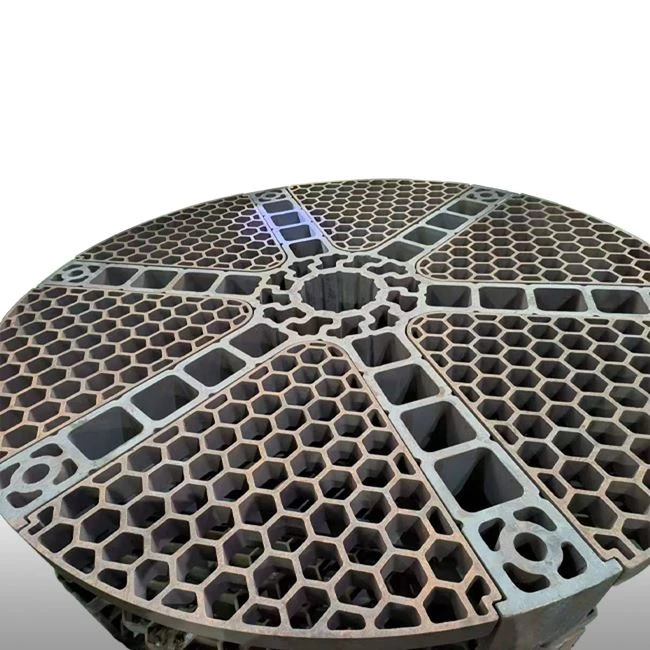

If you're in the market for high - quality Alloy Steel Ingot Sow Moulds or any of our related products, we'd love to have a chat with you. We can discuss your specific needs, the challenges you're facing with casting defects, and how our products can help you overcome them. Whether you're a small - scale steel producer or a large industrial manufacturer, we have the expertise and the products to meet your requirements.
In conclusion, being aware of the casting defects in Alloy Steel Ingot Sow Moulds is crucial for producing high - quality steel ingots. By understanding the causes of these defects and taking the necessary preventive measures, we can ensure that our customers get reliable and strong steel products. So, if you're interested in improving your casting process, don't hesitate to reach out. Let's work together to make your alloy steel production more efficient and successful.
References
- "Foundry Technology Handbook"
- "Casting Defects and Their Prevention" by industry experts