

How to treat Sow Moulds on a concrete floor is a crucial topic for those involved in the metal casting industry. As a dedicated Sow Moulds supplier, I've witnessed firsthand the challenges and opportunities that come with proper maintenance and treatment of these essential tools. In this blog post, I'll share some valuable insights and practical tips to help you ensure the longevity and optimal performance of your Sow Moulds on a concrete floor.
Understanding the Importance of Proper Treatment
Sow Moulds play a vital role in the production of metal ingots. They are used to shape and cool molten metal into solid forms, which are then further processed into various products. The condition of the Sow Moulds directly impacts the quality of the ingots and the overall efficiency of the production process. When Sow Moulds are placed on a concrete floor, they are exposed to a variety of factors that can cause damage and wear over time. These factors include thermal stress, mechanical impact, chemical corrosion, and abrasive wear. Therefore, it's essential to implement a comprehensive treatment plan to protect the Sow Moulds and extend their service life.
Preparation Before Treatment
Before treating the Sow Moulds on a concrete floor, it's important to conduct a thorough inspection to assess their condition. Look for any signs of cracks, chips, or other damage that may affect their performance. Clean the surface of the Sow Moulds and the concrete floor to remove any dirt, debris, or contaminants. This will ensure that the treatment materials adhere properly and provide effective protection.
Surface Protection
One of the most effective ways to treat Sow Moulds on a concrete floor is to apply a protective coating. A high-quality coating can provide a barrier against thermal stress, chemical corrosion, and abrasive wear. There are several types of coatings available, including ceramic coatings, epoxy coatings, and refractory coatings. Choose a coating that is specifically designed for the type of metal being cast and the operating conditions of your facility.
When applying the coating, follow the manufacturer's instructions carefully. Make sure the surface is clean and dry before applying the coating. Use a brush, roller, or spray gun to apply the coating evenly. Allow the coating to dry completely before using the Sow Moulds.
Thermal Insulation
Thermal insulation is another important aspect of treating Sow Moulds on a concrete floor. Excessive heat transfer from the Sow Moulds to the concrete floor can cause thermal stress and damage to both the moulds and the floor. To prevent this, you can install thermal insulation materials between the Sow Moulds and the concrete floor.
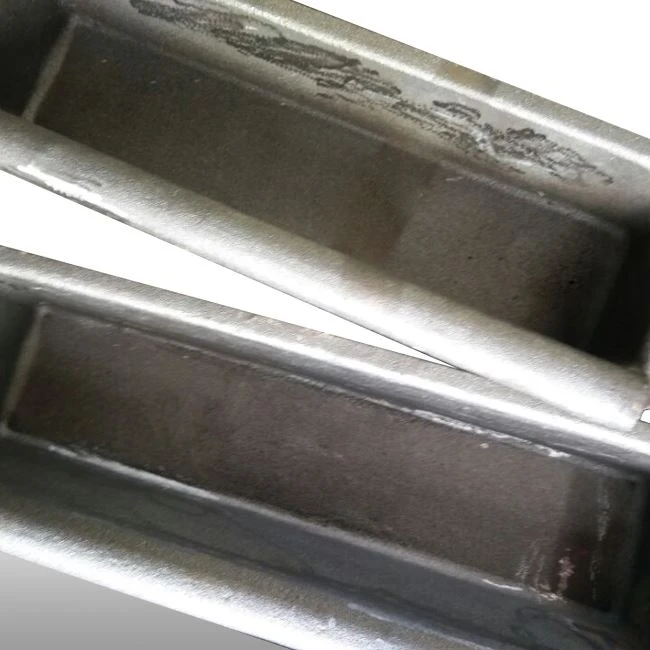

There are several types of thermal insulation materials available, including fiberglass insulation, ceramic fiber insulation, and refractory insulation. Choose an insulation material that has high thermal resistance and can withstand the operating temperatures of your facility. Install the insulation material according to the manufacturer's instructions, making sure it covers the entire surface of the Sow Moulds.
Maintenance and Monitoring
Once the Sow Moulds have been treated on a concrete floor, it's important to establish a regular maintenance and monitoring schedule. Inspect the Sow Moulds regularly for any signs of damage or wear. Check the coating and insulation materials for any signs of degradation or peeling. If any issues are detected, take immediate action to repair or replace the damaged parts.
In addition to regular inspections, it's also important to monitor the operating conditions of the Sow Moulds. Keep track of the temperature, pressure, and other parameters to ensure they are within the recommended range. This will help you identify any potential problems before they cause significant damage.
Choosing the Right Sow Moulds
When it comes to treating Sow Moulds on a concrete floor, choosing the right moulds is just as important as the treatment itself. As a Sow Moulds supplier, I offer a wide range of high-quality Alloy Steel Ingot Sow Mould that are designed to meet the specific needs of your facility. Our moulds are made from high-quality materials and are engineered to provide excellent performance and durability.
In addition to Alloy Steel Ingot Sow Mould, we also offer other related products such as Dross Skim Pan and Fast Cooling Dross Pans. These products are designed to work together to improve the efficiency and productivity of your metal casting process.
Conclusion
Treating Sow Moulds on a concrete floor is a complex process that requires careful planning and execution. By following the tips and recommendations outlined in this blog post, you can ensure the longevity and optimal performance of your Sow Moulds. Remember to choose the right Sow Moulds, apply a protective coating, install thermal insulation, and establish a regular maintenance and monitoring schedule.
If you have any questions or need further information about treating Sow Moulds on a concrete floor, please don't hesitate to contact us. As a leading Sow Moulds supplier, we have the expertise and experience to help you find the best solutions for your specific needs. We look forward to working with you to improve the efficiency and productivity of your metal casting process.
References
- "Metal Casting Handbook" by John Campbell
- "Thermal Insulation Materials: Properties and Applications" by David R. Young
- "Coatings for High-Temperature Applications" by Michael J. Donley