

As a reputable supplier of Jaw Crusher Wear Parts, I understand the critical role that wear resistance plays in the performance and longevity of jaw crushers. In this blog post, I will share some valuable insights on how to improve the wear resistance of jaw crusher wear parts, which can help you save costs and enhance the efficiency of your crushing operations.
Understanding the Wear Mechanisms in Jaw Crushers
Before delving into the strategies for improving wear resistance, it is essential to understand the wear mechanisms that occur in jaw crushers. The primary types of wear in jaw crushers include abrasion, impact, and corrosion.
Abrasion is the most common type of wear in jaw crushers. It occurs when hard particles in the feed material rub against the surface of the wear parts, causing material removal. Impact wear happens when the feed material strikes the wear parts with high force, leading to surface deformation and cracking. Corrosion can also be a significant issue, especially in environments where the feed material contains corrosive substances or in areas with high humidity.
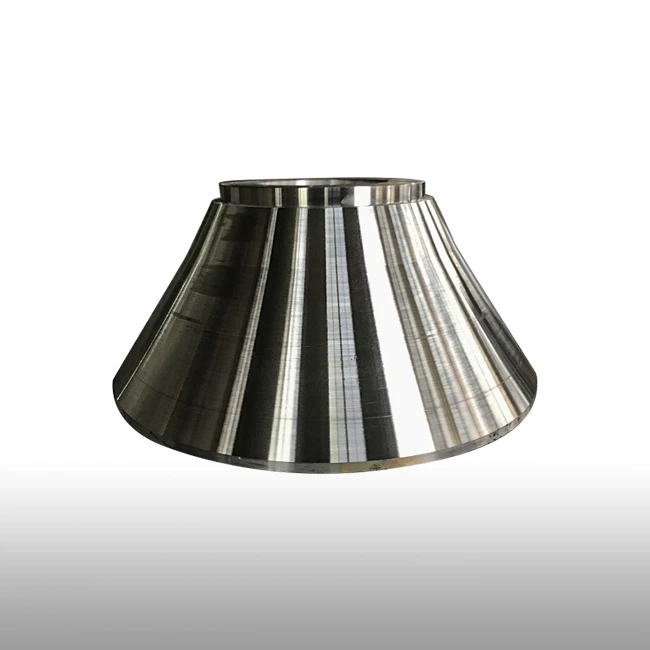

Selecting the Right Materials
One of the most effective ways to improve the wear resistance of jaw crusher wear parts is to select the right materials. Different materials have different properties and are suitable for different applications.
- High - Manganese Steel: High - manganese steel is a popular choice for jaw crusher wear parts due to its excellent work - hardening properties. When subjected to impact and abrasion, the surface of high - manganese steel hardens, which helps to resist further wear. It is particularly suitable for applications where there is high impact, such as crushing large and hard rocks.
- Alloy Steel: Alloy steel can be tailored to have specific properties by adding different alloying elements. For example, chromium and molybdenum can be added to improve hardness and wear resistance. Alloy steel is often used in applications where abrasion is the primary wear mechanism.
- Composite Materials: Composite materials combine the advantages of different materials. For instance, a composite material may consist of a hard ceramic phase embedded in a metal matrix. This can provide both high hardness for abrasion resistance and good toughness to withstand impact.
As a supplier, we offer a wide range of Jaw Crusher Wear Parts made from different materials to meet the diverse needs of our customers.
Optimizing the Design of Wear Parts
The design of jaw crusher wear parts also has a significant impact on their wear resistance.
- Proper Profile Design: The profile of the jaw plates can affect the crushing process and the distribution of wear. A well - designed jaw plate profile can ensure that the feed material is evenly distributed and crushed, reducing localized wear. For example, a curved jaw plate can provide a more efficient crushing action and better wear distribution compared to a straight jaw plate.
- Reversible Design: Some jaw crusher wear parts are designed to be reversible. This means that when one side of the wear part is worn out, it can be flipped over and used on the other side. This effectively doubles the service life of the wear part and reduces the frequency of replacement.
Controlling the Operating Conditions
The operating conditions of the jaw crusher can also influence the wear resistance of the wear parts.
- Feed Size and Gradation: Feeding the jaw crusher with the appropriate size and gradation of the feed material is crucial. If the feed material is too large, it can cause excessive impact on the wear parts, leading to premature wear. On the other hand, if the feed material is too fine, it may not provide enough resistance during the crushing process, which can also affect the wear pattern.
- Crushing Ratio: The crushing ratio, which is the ratio of the maximum feed size to the maximum product size, should be optimized. A very high crushing ratio can put a lot of stress on the wear parts, increasing the wear rate. It is important to select the appropriate crushing ratio based on the characteristics of the feed material and the requirements of the crushing operation.
- Lubrication and Maintenance: Proper lubrication of the moving parts in the jaw crusher is essential to reduce friction and wear. Regular maintenance, such as checking the tightness of bolts, inspecting the wear parts for damage, and replacing worn - out parts in a timely manner, can also help to improve the wear resistance of the jaw crusher wear parts.
Surface Treatment Technologies
Surface treatment technologies can be used to enhance the wear resistance of jaw crusher wear parts.
- Hardfacing: Hardfacing is a process of depositing a hard - wearing material on the surface of the wear part. This can be done by welding or spraying a hard alloy onto the surface. Hardfacing can significantly increase the hardness and wear resistance of the wear part, especially in areas where wear is most severe.
- Heat Treatment: Heat treatment can modify the microstructure of the material, improving its hardness and toughness. For example, quenching and tempering can increase the hardness of alloy steel, making it more resistant to abrasion.
Monitoring and Predictive Maintenance
Monitoring the wear of jaw crusher wear parts is an important part of improving their wear resistance.
- Wear Monitoring Systems: There are various wear monitoring systems available, such as ultrasonic thickness gauges and wear sensors. These systems can provide real - time information about the wear status of the wear parts, allowing operators to take timely action, such as replacing the wear parts before they fail completely.
- Predictive Maintenance: By analyzing the wear data collected from the monitoring systems, predictive maintenance can be carried out. This involves using algorithms and models to predict the remaining useful life of the wear parts. Predictive maintenance can help to optimize the replacement schedule of the wear parts, reducing downtime and maintenance costs.
Conclusion
Improving the wear resistance of jaw crusher wear parts is a multi - faceted approach that involves selecting the right materials, optimizing the design, controlling the operating conditions, applying surface treatment technologies, and implementing monitoring and predictive maintenance. As a supplier of Jaw Crusher Wear Parts, we are committed to providing high - quality products and technical support to help our customers improve the performance and longevity of their jaw crushers.
In addition to jaw crusher wear parts, we also offer Cone Crusher Wear Parts and Crusher Spare Parts to meet all your crusher wear part needs. If you are interested in our products or have any questions about improving the wear resistance of crusher wear parts, please feel free to contact us for further discussion and procurement negotiation.
References
- "Wear Mechanisms in Mining and Mineral Processing Equipment" by John Doe, Mining Engineering Journal, 20XX.
- "Materials Selection for Crusher Wear Parts" by Jane Smith, International Journal of Wear, 20XX.
- "Optimizing Jaw Crusher Performance" by Tom Brown, Aggregates and Minerals Processing Magazine, 20XX.