

In the industrial sector, slag bins play a crucial role in handling and storing slag, a by - product of various metal - smelting and manufacturing processes. As a slag bin supplier, I've witnessed firsthand the importance of efficient slag bin operations for our clients. In this blog, I'll share some practical strategies on how to improve the efficiency of a slag bin.
1. Optimal Design and Sizing
The first step in enhancing the efficiency of a slag bin is to ensure it is properly designed and sized. A well - designed slag bin should be able to handle the volume of slag produced by the industrial process without overfilling or under - utilizing its capacity.
When designing a slag bin, factors such as the type of slag, its flow characteristics, and the frequency of slag discharge need to be considered. For example, some slags are more viscous than others, which may require a bin with a steeper slope to ensure smooth flow. Additionally, the bin should be designed with proper ventilation to prevent the build - up of harmful gases.
Sizing is equally important. An undersized slag bin will require frequent emptying, which can disrupt the production process and increase labor costs. On the other hand, an oversized bin may be a waste of resources and take up unnecessary space. Our company offers a range of Steel Casting Salt Slag Bins that are available in different sizes and designs to meet the specific needs of our clients.
2. Regular Maintenance and Inspection
Regular maintenance and inspection are essential for the efficient operation of a slag bin. Over time, slag can accumulate on the walls of the bin, reducing its capacity and affecting its flow characteristics. This can lead to blockages and other operational issues.
To prevent such problems, a regular cleaning schedule should be established. This may involve using specialized equipment to remove the accumulated slag from the bin walls. In addition to cleaning, the bin should be inspected for any signs of wear and tear, such as cracks or corrosion. Any damaged parts should be repaired or replaced promptly to avoid further damage and ensure the safety of the operation.
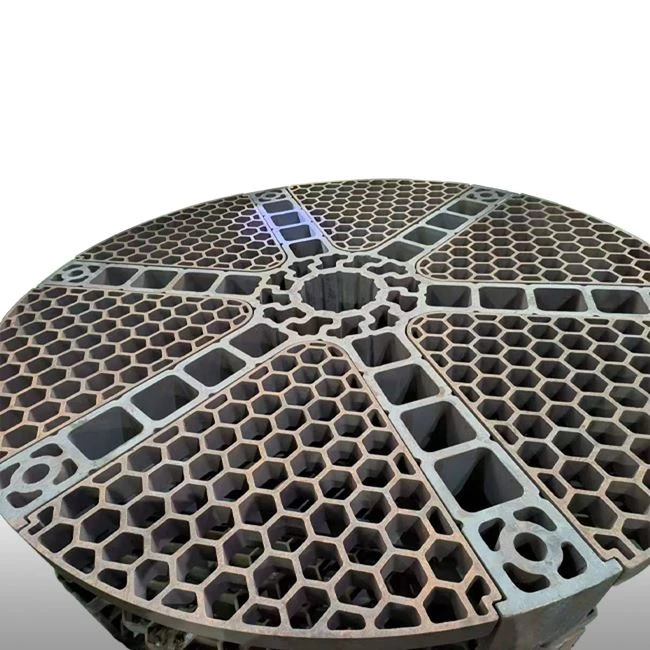
We also recommend using high - quality materials for the construction of the slag bin. Our Heat Treatment Baskets are made from durable steel alloys that can withstand the harsh conditions of slag handling, reducing the need for frequent repairs and replacements.

3. Automation and Technology Integration
In today's digital age, automation and technology integration can significantly improve the efficiency of a slag bin. Automated systems can be used to monitor the level of slag in the bin, control the discharge process, and even predict when maintenance is required.
For example, level sensors can be installed in the slag bin to provide real - time information about the amount of slag present. This data can be used to optimize the emptying schedule, ensuring that the bin is emptied at the right time to prevent overfilling. Additionally, automated discharge systems can be programmed to release the slag at a controlled rate, reducing the risk of spills and improving the overall efficiency of the process.
We are constantly exploring new technologies to enhance the performance of our slag bins. Our Large Cooling Pan can be integrated with advanced cooling control systems to ensure that the slag is cooled efficiently, which is beneficial for subsequent handling and disposal.
4. Staff Training and Safety Measures
Well - trained staff are the key to the efficient operation of a slag bin. Employees should be trained on the proper use and maintenance of the bin, as well as safety procedures. This includes wearing appropriate personal protective equipment (PPE) and following established protocols for handling slag.
Safety is of utmost importance when dealing with slag. Slag can be extremely hot and may contain hazardous substances. Therefore, it is essential to provide employees with the necessary training and resources to ensure their safety. Regular safety drills should be conducted to reinforce these procedures and prepare employees for any potential emergencies.
Our company offers comprehensive training programs for our clients' staff. We believe that by investing in employee training, we can help our clients improve the efficiency of their slag bin operations while ensuring a safe working environment.
5. Waste Management and Recycling
Efficient slag bin management also involves proper waste management and recycling. Slag can often be recycled and used in other industrial processes, such as the production of construction materials. By implementing a recycling program, companies can not only reduce their environmental impact but also save on disposal costs.
To facilitate recycling, the slag should be properly sorted and processed. This may involve separating different types of slag based on their composition and properties. Our company can provide guidance on the best practices for slag recycling and help our clients develop customized recycling solutions.
Conclusion
Improving the efficiency of a slag bin requires a comprehensive approach that includes optimal design, regular maintenance, technology integration, staff training, and proper waste management. As a slag bin supplier, we are committed to providing our clients with high - quality products and solutions to meet their specific needs.
If you are interested in learning more about our slag bins or would like to discuss how we can help you improve the efficiency of your slag handling operations, please feel free to contact us. We look forward to the opportunity to work with you and contribute to the success of your business.
References
- Industrial Waste Management Handbook, Third Edition. Edited by David A. Vaccari.
- Steel Casting Handbook, Second Edition. By John Campbell.
- Automation in Industrial Processes: Principles and Applications. By Robert J. Kee.