

Identifying worn-out impact crusher wear parts is crucial for maintaining the efficiency and performance of your impact crusher. As a reliable Impact Crusher Wear Parts supplier, I understand the importance of this process and am here to share some valuable insights with you.
Understanding the Impact Crusher and Its Wear Parts
Before delving into the identification process, it's essential to have a basic understanding of the impact crusher and its key wear parts. An impact crusher uses impact force to break down materials. The main wear parts in an impact crusher include blow bars, impact plates, and liners. These parts are constantly in contact with the materials being crushed, which leads to wear and tear over time.
The blow bars are the primary components that strike the materials. They are designed to withstand high impact forces and are made from high - quality alloys. Impact plates, on the other hand, are located in the crushing chamber and are responsible for redirecting the crushed materials back into the path of the blow bars for further crushing. Liners line the interior of the crusher chamber to protect the main body of the crusher from abrasion.
Visual Inspection
One of the most straightforward ways to identify worn - out impact crusher wear parts is through visual inspection. Regularly open the crusher and examine the wear parts. Here are some signs to look for:
Blow Bars
- Uneven Wear: Check if the blow bars have uneven wear patterns. If one side of the blow bar is significantly more worn than the other, it indicates an imbalance in the crushing process. This could be due to uneven feeding of materials or a misaligned rotor.
- Cracks and Chipping: Look for cracks or chips on the surface of the blow bars. Cracks can weaken the structure of the blow bar, making it more likely to break during operation. Chipping can also reduce the effectiveness of the blow bar in striking the materials.
Impact Plates
- Surface Erosion: Impact plates are prone to surface erosion. Look for signs of pitting, grooves, or a rough surface on the impact plates. Excessive erosion can reduce the ability of the impact plates to redirect the materials, leading to inefficient crushing.
- Deformation: Check if the impact plates are deformed. This can occur due to high - impact forces or improper installation. Deformed impact plates may not function correctly and can cause uneven wear on other wear parts.
Liners
- Thinning: Liners are designed to protect the crusher body from abrasion. Over time, they will wear down. Measure the thickness of the liners at different points. If the liner thickness has decreased significantly, it may need to be replaced.
- Loose or Missing Pieces: Ensure that the liners are securely attached to the crusher chamber. Look for any loose or missing pieces of the liners. Loose liners can cause vibrations and damage to the crusher body.
Measuring Wear
In addition to visual inspection, measuring the wear of the impact crusher wear parts can provide more accurate information. Use appropriate measuring tools such as calipers or micrometers.
Blow Bars
- Thickness Measurement: Measure the thickness of the blow bars at different locations. Compare the measured thickness with the original specifications. If the thickness has decreased below a certain threshold, it's time to replace the blow bars. For example, if the original thickness of a blow bar is 100 mm and it has worn down to 50 mm, it may need to be replaced.
- Weight Measurement: Weigh the blow bars periodically. A significant decrease in weight can indicate excessive wear. Keep a record of the weight measurements over time to track the wear rate.
Impact Plates
- Depth of Erosion: Measure the depth of the erosion on the impact plates. Use a depth gauge to measure the depth of the pits or grooves. If the depth of erosion exceeds a certain limit, the impact plates should be replaced.
- Dimensional Changes: Measure the dimensions of the impact plates to check for any changes. Any significant deviation from the original dimensions can affect the performance of the impact plates.
Liners
- Remaining Thickness: Similar to blow bars, measure the remaining thickness of the liners. Liners typically have a minimum recommended thickness. Once the measured thickness falls below this value, replacement is necessary.
Operational Performance
The operational performance of the impact crusher can also provide clues about the condition of the wear parts.
Reduced Production Capacity
If you notice a significant decrease in the production capacity of the impact crusher, it could be due to worn - out wear parts. Worn blow bars may not be able to strike the materials with enough force, and worn impact plates may not redirect the materials effectively. This can result in less efficient crushing and a lower output.
Increased Power Consumption
An increase in power consumption is another sign of worn - out wear parts. When the wear parts are worn, the crusher has to work harder to achieve the same level of crushing. This requires more power, leading to higher energy costs.
Excessive Noise and Vibrations
Worn - out wear parts can cause excessive noise and vibrations during operation. For example, loose or damaged liners can cause vibrations, and a cracked blow bar can create abnormal noise. If you notice an increase in noise or vibrations, it's important to inspect the wear parts immediately.
The Importance of Timely Replacement
Timely replacement of worn - out impact crusher wear parts is essential for several reasons. Firstly, it ensures the efficiency of the crushing process. New wear parts can provide better crushing performance, leading to higher production capacity and better - quality end products.
Secondly, it reduces the risk of equipment damage. Worn - out wear parts can cause damage to other components of the crusher, such as the rotor or the main body. By replacing the wear parts in a timely manner, you can prevent costly repairs and downtime.
Finally, it improves safety. Damaged wear parts can pose a safety hazard to the operators. For example, a broken blow bar can fly out of the crusher, causing serious injury. Regularly replacing worn - out wear parts helps to maintain a safe working environment.
Our Company's Role as a Supplier
As an Impact Crusher Wear Parts supplier, we are committed to providing high - quality wear parts that meet the specific needs of your impact crusher. We offer a wide range of Impact Crusher Wear Parts, including blow bars, impact plates, and liners, made from the latest high - performance materials.
In addition to supplying wear parts, we also provide technical support to help you identify worn - out wear parts and choose the right replacement parts. Our team of experts has extensive experience in the field of impact crushers and can offer valuable advice on maintenance and operation.
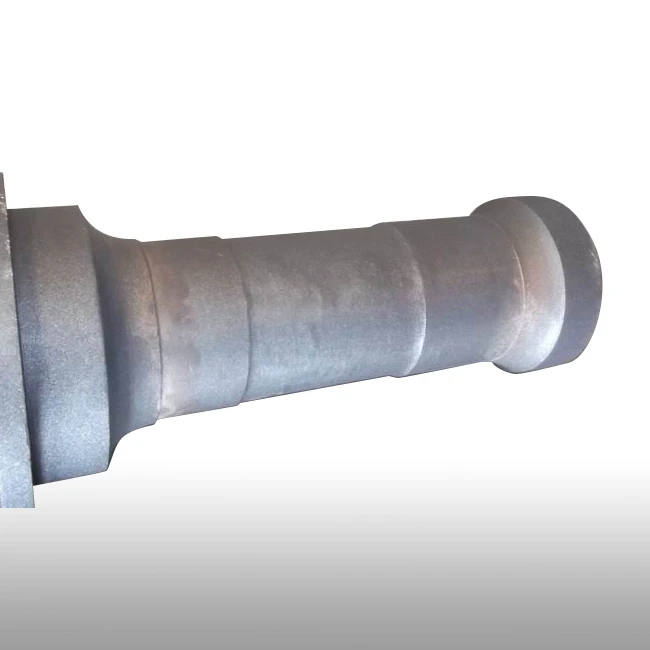
We also offer related products such as Cone Crusher Wear Parts and Upper And Lower Frame For Cone Crusher, which can further enhance the performance of your crushing equipment.
Contact Us for Procurement
If you are experiencing issues with your impact crusher wear parts or are looking for high - quality replacement parts, we invite you to contact us for procurement. Our dedicated sales team is ready to assist you with your needs. Whether you need a single wear part or a complete set of replacement parts, we can provide you with the best solutions at competitive prices.

References
- ASTM International. (Year). Standard test methods for wear testing of materials.
- Manufacturer's Manuals for Impact Crushers.
- Industry Reports on Crusher Wear Parts.