

Identifying worn-out cone crusher wear parts is crucial for maintaining the efficiency and safety of your crushing operations. As a dedicated Cone Crusher Wear Parts supplier, I understand the significance of this task and am here to share valuable insights on how to spot signs of wear and tear.
Visual Inspection
One of the most straightforward methods to identify worn-out cone crusher wear parts is through a visual inspection. Regularly examine the components for visible signs of damage, such as cracks, chips, or excessive wear. Pay close attention to the mantle and concave, which are the primary crushing surfaces in a cone crusher.
The mantle is the inner part of the crushing chamber that rotates eccentrically, while the concave is the outer part that remains stationary. Over time, these surfaces will naturally wear down due to the constant impact and abrasion of the crushed material. Look for uneven wear patterns, thinning areas, or signs of gouging on the mantle and concave. If you notice any significant damage or wear, it may be time to replace these parts.
Another critical component to inspect is the crushing chamber liner. The liner protects the crusher's frame from wear and tear and helps to maintain the proper shape of the crushing chamber. Check for signs of wear, such as erosion, pitting, or cracking, on the liner. If the liner is worn beyond its recommended thickness, it should be replaced to prevent further damage to the crusher.
Measuring Wear
In addition to visual inspection, measuring the wear of cone crusher wear parts can provide more accurate information about their condition. Use a caliper or a micrometer to measure the thickness of the mantle, concave, and other wear parts at various points. Compare the measured values with the manufacturer's specifications to determine if the parts are still within the acceptable wear limits.
It's important to note that different types of cone crushers may have different wear rates and recommended wear limits. Refer to the crusher's operating manual or consult with the manufacturer to ensure that you are using the correct measurement methods and wear limits for your specific crusher model.
Monitoring Performance
Monitoring the performance of your cone crusher can also help you identify worn-out wear parts. Pay attention to changes in the crusher's output, such as reduced production capacity, increased energy consumption, or poor product quality. These changes may indicate that the wear parts are worn out and need to be replaced.
In addition, listen for any unusual noises or vibrations coming from the crusher. Unusual noises or vibrations can be a sign of a problem with the wear parts or other components of the crusher. If you notice any abnormal sounds or vibrations, stop the crusher immediately and inspect it for damage.
Considering Operating Conditions
The operating conditions of your cone crusher can also affect the wear rate of its wear parts. Factors such as the type of material being crushed, the feed size, the crushing ratio, and the operating temperature can all have an impact on the wear of the mantle, concave, and other wear parts.
For example, crushing hard and abrasive materials will generally cause more wear on the wear parts than crushing soft and non-abrasive materials. Similarly, using a high crushing ratio or operating the crusher at a high temperature can also increase the wear rate of the wear parts.
To minimize the wear of your cone crusher wear parts, it's important to operate the crusher under the recommended conditions. Follow the manufacturer's guidelines for feed size, crushing ratio, and operating temperature, and avoid overloading the crusher.
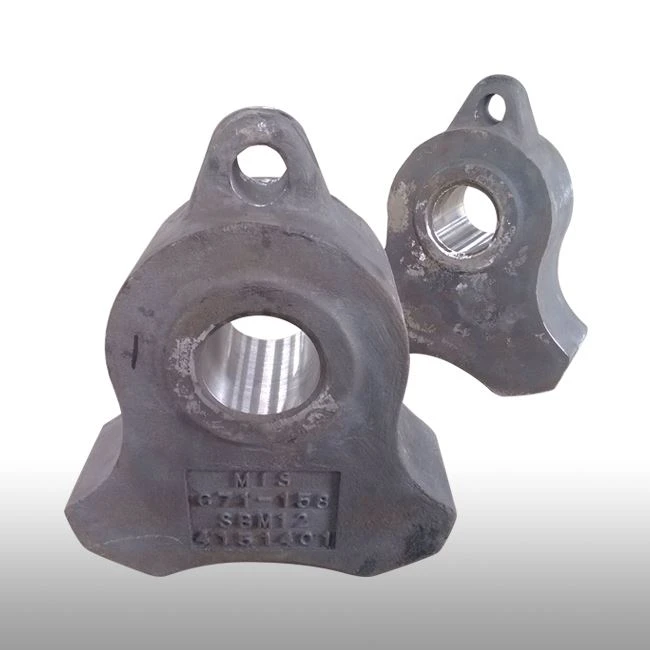

Importance of Timely Replacement
Replacing worn-out cone crusher wear parts in a timely manner is essential for maintaining the efficiency and safety of your crushing operations. Worn-out wear parts can cause a variety of problems, including reduced production capacity, increased energy consumption, poor product quality, and even equipment failure.
By replacing the wear parts before they reach the end of their service life, you can prevent these problems from occurring and ensure that your crusher operates at its optimal performance. In addition, timely replacement of wear parts can also extend the lifespan of your crusher and reduce the overall cost of ownership.
Related Products
As a Cone Crusher Wear Parts supplier, we also offer a wide range of other crusher wear parts and spare parts to meet your needs. If you are looking for Jaw Crusher Wear Parts or Impact Crusher Wear Parts, we have you covered. Our high-quality wear parts are designed to provide long-lasting performance and reliability, helping you to keep your crushers running smoothly.
We also offer a comprehensive selection of Crusher Spare Parts to ensure that you have everything you need to maintain and repair your crushers. From bearings and seals to hydraulic cylinders and motors, we have the parts you need to keep your crushers in top condition.
Contact Us for Purchase and Consultation
If you have any questions about identifying worn-out cone crusher wear parts or need assistance with selecting the right wear parts for your crusher, please don't hesitate to contact us. Our team of experts is always ready to help you find the best solutions for your crushing needs. Whether you are looking to purchase new wear parts or need advice on maintenance and repair, we are here to support you. Reach out to us today to start the conversation and take the first step towards optimizing your crushing operations.
References
- Manufacturer's operating manuals for cone crushers.
- Industry standards and guidelines for crusher wear parts.