

In the realm of construction and mining, crushers play a pivotal role in breaking down large rocks and minerals into smaller, more manageable sizes. However, the vibration of crushers is an often - overlooked factor that significantly impacts the wear of crusher wear parts. As a trusted supplier of Crusher Wear Parts, I have witnessed firsthand how crusher vibration can either accelerate or mitigate the wear and tear of these crucial components.
Understanding Crusher Vibration
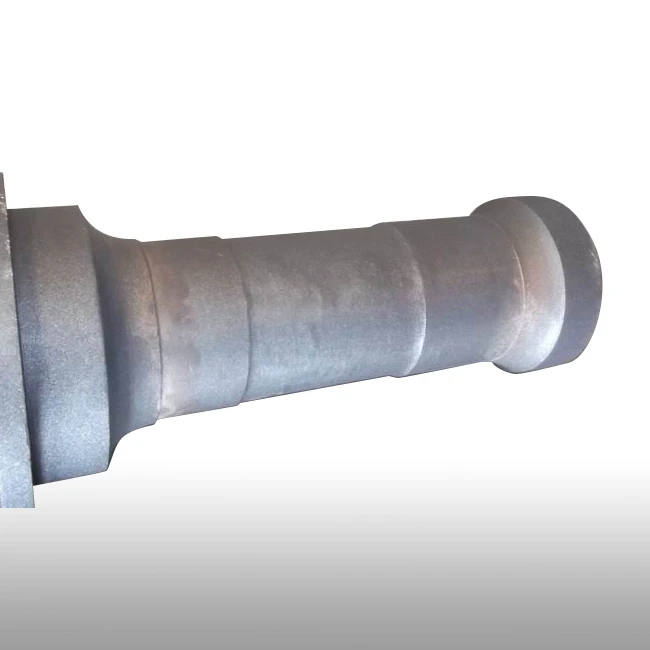
Crusher vibration is a complex phenomenon that results from various factors. Firstly, the unbalanced rotation of the crusher's moving parts is a primary cause. For example, in a cone crusher, the eccentric shaft rotates at high speeds. If the mass distribution of the rotating parts is not uniform, it will generate an unbalanced centrifugal force, leading to vibration. Secondly, the nature of the material being crushed also contributes to vibration. Hard and irregularly shaped rocks can cause sudden and intense impacts during the crushing process, which in turn cause the crusher to vibrate.
Another factor is the installation and foundation of the crusher. If the crusher is not installed level or the foundation is not strong enough, it can amplify the vibration. For instance, a crusher placed on a weak or uneven foundation may experience excessive movement during operation, leading to increased vibration levels.

How Vibration Affects Wear of Crusher Wear Parts
Impact on Contact Stress
Vibration changes the contact stress between the crusher wear parts and the material being crushed. During normal operation, the wear parts are designed to withstand a certain level of stress. However, when vibration occurs, the stress distribution becomes uneven. In some areas, the stress may be much higher than the design value, causing rapid wear. For example, in a jaw crusher, the vibration can cause the movable jaw to deviate from its normal trajectory, increasing the local stress on the jaw plates. This high - stress concentration can lead to premature cracking and chipping of the jaw plates.
Fatigue Damage
Continuous vibration subjects the crusher wear parts to cyclic loading. Fatigue is a major cause of wear in many mechanical components, and crusher wear parts are no exception. The repeated stress cycles caused by vibration can initiate and propagate cracks in the wear parts. In a cone crusher, the mantle and concave, which are Cone Crusher Wear Parts, are particularly susceptible to fatigue damage due to vibration. Over time, these cracks can grow and eventually lead to the failure of the wear parts.
Abrasive Wear
Vibration can also affect the abrasive wear of crusher wear parts. When the crusher vibrates, the material being crushed may move in an irregular manner, increasing the relative motion between the wear parts and the material. This enhanced relative motion can cause more abrasive particles to come into contact with the wear parts, accelerating the abrasive wear process. For example, in a hammer crusher, the Mining Crusher Parts Hammerhead is constantly in contact with the rocks. Vibration can cause the rocks to bounce and rub against the hammerhead at different angles, increasing the abrasive wear rate.
Loosening of Fasteners
Vibration can cause the fasteners that hold the crusher wear parts in place to loosen. In a cone crusher, the upper and lower frames are crucial components, and they are connected by various fasteners. If the vibration is severe, these fasteners may gradually loosen. Once the fasteners are loose, the wear parts may move slightly during operation, which can further increase the wear and also pose a safety hazard. The Upper And Lower Frame For Cone Crusher needs to be properly fastened to ensure the stable operation of the crusher and reduce the wear of related wear parts.
Mitigating the Effects of Vibration on Wear Parts
Balancing the Rotating Parts
To reduce the vibration caused by unbalanced rotation, it is essential to balance the rotating parts of the crusher. This can be achieved through precision machining and assembly. For example, before installing the eccentric shaft in a cone crusher, it should be carefully balanced to minimize the unbalanced centrifugal force. Regular maintenance and inspection of the rotating parts can also help detect and correct any imbalance issues in a timely manner.
Optimizing the Crushing Process
The choice of the material being crushed and the crushing parameters can also affect vibration. Selecting materials with more uniform size and shape can reduce the sudden impacts during the crushing process, thereby reducing vibration. Adjusting the feed rate and the crushing ratio can also help optimize the crushing process. A proper feed rate ensures a continuous and stable supply of material to the crusher, reducing the likelihood of uneven loading and vibration.
Improving Installation and Foundation
As mentioned earlier, a proper installation and a strong foundation are crucial for reducing vibration. The crusher should be installed on a level surface, and the foundation should be designed to withstand the dynamic forces generated during operation. Reinforcing the foundation with appropriate materials and ensuring proper leveling during installation can significantly reduce the vibration of the crusher.
Our Role as a Crusher Wear Parts Supplier
As a supplier of Crusher Wear Parts, we understand the importance of addressing the issue of vibration - induced wear. We offer high - quality wear parts that are designed to withstand the harsh conditions caused by vibration. Our engineers work closely with customers to understand their specific crusher operating conditions, including vibration levels. Based on this information, we can recommend the most suitable wear parts.
We also provide technical support to help customers optimize the operation of their crushers. This includes advice on installation, maintenance, and adjustment of the crushers to reduce vibration. By working together with our customers, we can extend the service life of the crusher wear parts and improve the overall efficiency of the crushing process.
Conclusion
Vibration is a significant factor that affects the wear of crusher wear parts. It changes the contact stress, causes fatigue damage, increases abrasive wear, and can loosen fasteners. However, by understanding the causes of vibration and taking appropriate measures to reduce it, the wear of crusher wear parts can be effectively controlled.
As a reliable Crusher Wear Parts supplier, we are committed to providing high - quality products and excellent technical support. If you are facing issues with excessive wear of your crusher wear parts due to vibration or need advice on selecting the right wear parts, we are here to help. Contact us for more information and let's discuss how we can meet your specific needs in the field of crusher wear parts.
References
- Smith, J. (2018). Mechanical Wear in Crushers. Journal of Mining Equipment, 25(3), 45 - 52.
- Johnson, R. (2019). Vibration Analysis in Construction Machinery. Construction Engineering Review, 32(2), 67 - 75.
- Brown, A. (2020). Fatigue Damage in Crusher Components. International Journal of Mechanical Engineering, 40(4), 89 - 96.