

In the realm of construction and mining, cone crushers play a pivotal role in the crushing process. These machines are designed to break down large rocks into smaller, more manageable pieces, and the wear parts of cone crushers are critical components that ensure their efficient operation. One factor that significantly influences the wear of cone crusher wear parts is the shape of the material being crushed. As a supplier of Cone Crusher Wear Parts, I have witnessed firsthand how different material shapes can impact the lifespan and performance of these crucial components.
The Basics of Cone Crusher Wear Parts
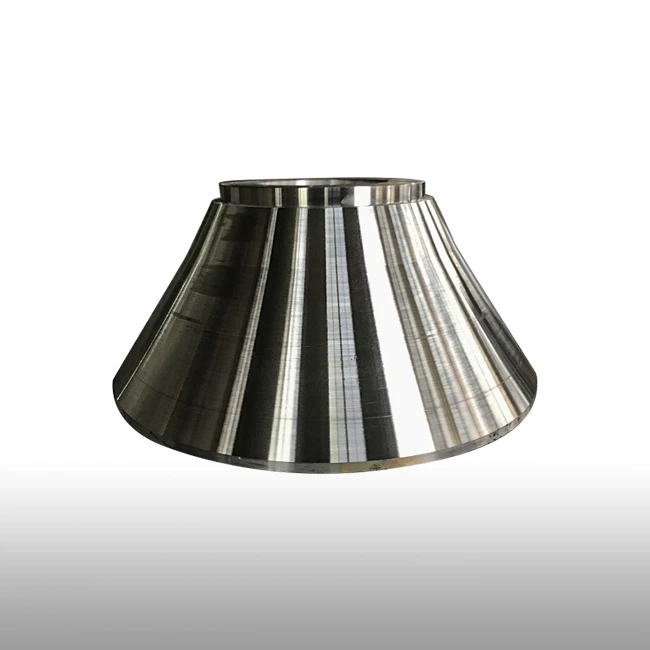
Before delving into the impact of material shape on wear, it is essential to understand the key wear parts of a cone crusher. The main wear parts include the mantle and the concave, which are the two surfaces that come into direct contact with the material during the crushing process. The mantle is the moving part that gyrates inside the concave, creating a squeezing and crushing action. Other important wear parts include the Upper And Lower Frame For Cone Crusher, which provide structural support and protection for the crusher.
Impact of Material Shape on Wear
Angular and Irregular Shaped Materials
Materials with angular and irregular shapes, such as granite and basalt, tend to cause more wear on cone crusher wear parts compared to rounded or smooth materials. The sharp edges and corners of these materials can act like cutting tools, scraping and abrading the surfaces of the mantle and concave. As the material is crushed, these sharp edges can also create micro - fractures in the wear parts, which can gradually grow and lead to premature failure.
For example, when crushing angular granite, the edges of the granite pieces can dig into the surface of the mantle and concave, causing localized wear. Over time, this can result in uneven wear patterns, reducing the efficiency of the crushing process and increasing the risk of part failure. The high - impact forces generated when these angular materials are crushed can also cause fatigue in the Crusher Spare Parts, further shortening their lifespan.
Rounded and Smooth Shaped Materials
In contrast, rounded and smooth materials like river pebbles generally cause less wear on cone crusher wear parts. The lack of sharp edges means that there is less cutting and scraping action on the mantle and concave surfaces. The forces exerted during the crushing of rounded materials are more evenly distributed, reducing the likelihood of localized wear and micro - fractures.
When crushing river pebbles, the smooth surface of the pebbles allows them to roll and slide between the mantle and concave, rather than digging in and causing excessive wear. This results in a more uniform wear pattern on the wear parts, which can extend their service life and improve the overall efficiency of the cone crusher.
Elongated and Flaky Materials
Elongated and flaky materials, such as slate or some types of shale, present unique challenges for cone crusher wear parts. These materials can get stuck between the mantle and concave, causing jamming and uneven wear. The long and thin shape of these materials can also lead to preferential wear in certain areas of the wear parts.

For instance, if an elongated piece of slate gets wedged between the mantle and concave, it can create a high - pressure point, causing accelerated wear in that specific area. Additionally, the flaky nature of these materials means that they can break into smaller, more abrasive particles during the crushing process, which can further contribute to wear on the wear parts.
Mitigating the Effects of Material Shape on Wear
Material Pre - processing
One way to reduce the wear caused by angular and irregular materials is through pre - processing. Screening and shaping the material before it enters the cone crusher can help to remove the sharpest edges and reduce the overall abrasiveness of the material. For example, using a primary crusher to break down large, angular rocks into more rounded pieces can significantly reduce the wear on the cone crusher wear parts.
Optimizing Crusher Settings
Adjusting the crusher settings can also help to mitigate the effects of material shape on wear. By optimizing the eccentric throw, closed - side setting, and speed of the cone crusher, it is possible to ensure that the material is crushed more efficiently, reducing the impact forces and wear on the wear parts. For example, a smaller closed - side setting can increase the crushing force, but it may also increase the wear on the parts. Finding the right balance is crucial for minimizing wear while maintaining high productivity.
Using High - Quality Wear Parts
As a supplier of cone crusher wear parts, I strongly recommend using high - quality parts that are specifically designed to withstand the wear caused by different material shapes. High - chrome alloys and other advanced materials can offer superior wear resistance compared to standard steel parts. These materials are more resistant to abrasion, impact, and corrosion, which can significantly extend the lifespan of the wear parts.
Importance of Regular Inspection and Maintenance
Regular inspection and maintenance of cone crusher wear parts are essential for ensuring their optimal performance and longevity. By regularly checking the wear parts for signs of damage, such as cracks, uneven wear, or excessive wear, it is possible to detect problems early and take corrective action. This can include replacing worn parts before they fail, which can prevent costly downtime and production losses.
Inspection should also include checking the alignment of the crusher components, as misalignment can cause uneven wear on the wear parts. Additionally, proper lubrication of the moving parts is crucial for reducing friction and wear.
Conclusion
The shape of the material being crushed has a significant impact on the wear of cone crusher wear parts. Angular and irregular materials tend to cause more wear, while rounded and smooth materials cause less wear. Elongated and flaky materials present unique challenges that require special attention. By understanding these effects and taking appropriate measures, such as material pre - processing, optimizing crusher settings, using high - quality wear parts, and performing regular inspection and maintenance, it is possible to extend the lifespan of cone crusher wear parts and improve the overall efficiency of the crushing process.
If you are in the market for high - quality cone crusher wear parts or need more information on how to mitigate the effects of material shape on wear, please feel free to contact us for a detailed discussion and procurement negotiation. We are committed to providing the best solutions for your crushing needs.
References
- ASTM International. (2019). Standard Terminology Relating to Mineral and Rock Aggregates and Soils for Engineering Purposes. ASTM D653 - 19.
- Singh, B., & Goel, R. K. (2017). Rock Mechanics and Engineering: Principles, Practice and Projects. Elsevier.
- Svedala, R. (2018). Cone Crushers - Operation and Maintenance Manual. Metso Outotec.