

Hey there! As a supplier of Crusher Wear Parts, I've seen firsthand how the rotation direction of a crusher can have a huge impact on the wear of its parts. Let's dive into this topic and explore how this seemingly small factor can make a big difference.

First off, let's understand the basic concept of crusher rotation. Crushers come in different types, like jaw crushers, cone crushers, and impact crushers. Each type has its own way of operating, but the rotation direction plays a crucial role in all of them.
In a jaw crusher, for example, the movable jaw moves back and forth to crush the material. The rotation direction of the flywheel that drives this movement can affect how the material is fed into the crushing chamber and how it's crushed. If the rotation is in the right direction, the material is more evenly distributed and crushed. But if it's wrong, the material might not be fed properly, leading to uneven wear on the jaw plates.
Let's talk about cone crushers. These crushers use a rotating mantle that gyrates within a concave bowl to crush the material. The rotation direction of the mantle affects how the material is squeezed and broken. A correct rotation direction ensures that the material is crushed uniformly, reducing the stress on the wear parts. On the other hand, an incorrect rotation can cause the material to be crushed unevenly, putting more pressure on certain areas of the mantle and concave. This leads to accelerated wear and tear, and you might find yourself replacing Cone Crusher Wear Parts more frequently.
Impact crushers work by throwing the material against a hard surface to break it. The rotor in an impact crusher rotates at high speed, and the rotation direction determines how the material is thrown and where it hits the impact plates. If the rotation is correct, the material is thrown in a way that maximizes the crushing efficiency and minimizes the wear on the impact plates. But if the rotation is off, the material might hit the plates at odd angles, causing excessive wear. This is where Impact Crusher Wear Parts come into play. Using high - quality wear parts can help withstand this kind of uneven wear, but it's still better to have the correct rotation direction in the first place.
Now, let's consider the factors that can influence the rotation direction. Sometimes, during the installation or maintenance of a crusher, the rotation direction might be set incorrectly. This could be due to human error or misinterpretation of the equipment manual. Also, if there are any changes in the power supply or motor settings, it can affect the rotation. For instance, if the motor is rewired incorrectly, the crusher might start rotating in the wrong direction.
Another aspect is the type of material being crushed. Different materials have different properties, such as hardness, abrasiveness, and size. A hard and abrasive material will put more stress on the wear parts compared to a softer one. If the rotation direction is not optimized for the material, the wear on the parts can be even more severe. For example, when crushing a very hard rock, a correct rotation direction can ensure that the rock is broken into smaller pieces more efficiently, reducing the impact on the wear parts.
So, how can you tell if the rotation direction is correct? Most crushers have indicators or markings that show the proper rotation direction. You can also refer to the equipment manual. If you're still unsure, it's a good idea to consult with a professional. Some modern crushers also come with sensors that can detect and correct the rotation direction automatically.
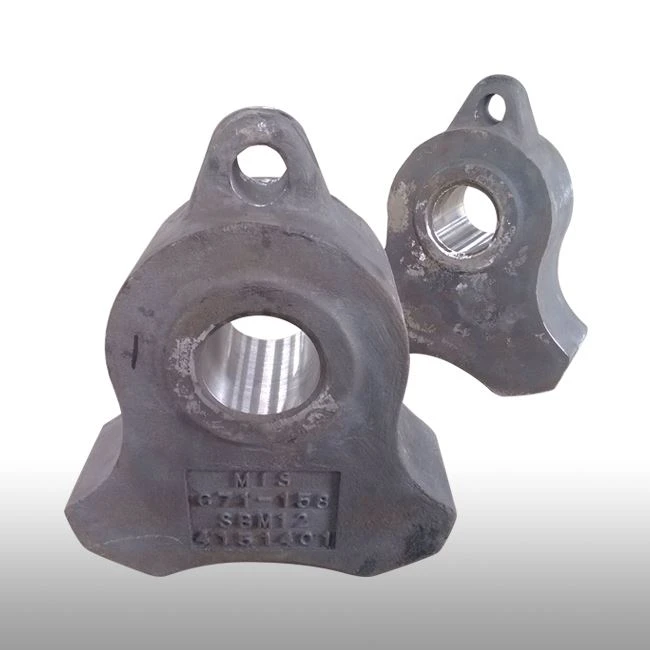
As a Crusher Wear Parts supplier, I know how important it is to get the rotation direction right. Using high - quality wear parts is essential, but it's only half the battle. Ensuring the correct rotation direction can significantly extend the lifespan of the wear parts. For example, our Mining Crusher Parts Hammerhead is designed to work optimally when the crusher is rotating in the correct direction. When the rotation is right, the hammerhead can strike the material at the best angle, crushing it effectively and reducing its own wear.
In addition to choosing the right wear parts and having the correct rotation direction, regular maintenance is also crucial. You should inspect the wear parts regularly for signs of wear, such as cracks, chips, or excessive thinning. If you notice any issues, it's important to replace the parts as soon as possible to prevent further damage to the crusher.
To sum it up, the rotation direction of a crusher has a major impact on the wear of its wear parts. A correct rotation ensures even crushing, reduces stress on the parts, and extends their lifespan. As a supplier, I'm here to help you choose the right wear parts for your crusher. If you're facing any issues with crusher wear or need advice on the best parts for your equipment, don't hesitate to reach out. We can have a chat and figure out the best solutions for your specific needs. Whether you're in the mining industry, construction, or any other field that uses crushers, getting the most out of your wear parts is essential for your business's efficiency and profitability.
References
- "Crushing Equipment Handbook" - A comprehensive guide on crusher operation and maintenance.
- Industry research papers on crusher performance and wear part analysis.