

The production of aluminum extrusions is a complex and fascinating process that combines advanced technology with precise engineering. As a leading supplier in aluminum production, we are committed to delivering high-quality aluminum extrusions to meet the diverse needs of our customers. In this blog post, we will take you through the step-by-step process of how aluminum extrusions are produced.
Step 1: Raw Material Selection
The first step in the production of aluminum extrusions is the careful selection of raw materials. Aluminum is typically sourced from bauxite ore, which is refined into alumina through the Bayer process. Alumina is then smelted into pure aluminum using the Hall-Héroult process. At our company, we source high-quality aluminum ingots from trusted suppliers to ensure the purity and consistency of our raw materials.
Step 2: Pre - extrusion Preparation
Once the raw aluminum is obtained, it needs to be prepared for the extrusion process. This involves heating the aluminum billets to a specific temperature, usually between 800°F and 925°F (427°C and 496°C). This temperature range is crucial as it makes the aluminum soft enough to be extruded but still maintains its structural integrity. We use state - of - the - art heating systems to ensure uniform heating of the billets.
Step 3: Die Design and Manufacturing
The die is a critical component in the aluminum extrusion process. It determines the shape and cross - section of the final extruded product. Our team of highly skilled engineers designs the dies according to the customer's specifications. The dies are usually made of high - strength tool steel and are precision - machined to ensure the accuracy of the extruded profile. After manufacturing, the dies undergo a series of heat treatments and surface finishes to enhance their durability and performance.
Step 4: Extrusion Process
The actual extrusion process begins when the heated aluminum billet is loaded into the extrusion press. A hydraulic ram then pushes the billet through the die, which imparts the desired shape to the aluminum. As the aluminum passes through the die, it is shaped into a continuous extrusion that can be of various lengths. The extrusion speed is carefully controlled to ensure a high - quality product. The speed can range from a few inches to several feet per minute, depending on the complexity of the shape and the properties of the aluminum alloy.
Step 5: Cooling
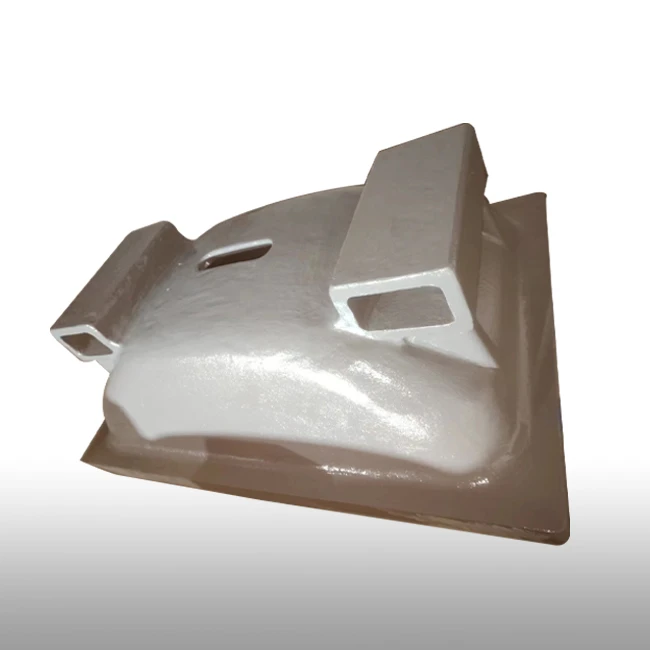
Immediately after extrusion, the newly formed aluminum profile needs to be cooled rapidly to maintain its shape and mechanical properties. We use a variety of cooling methods, including air cooling and water quenching. The choice of cooling method depends on the type of aluminum alloy and the specific requirements of the product. For some applications, we may use Fast Cooling Dross Pans to enhance the cooling efficiency.

Step 6: Post - extrusion Machining
Once the extrusion is cooled, it may undergo further machining processes to achieve the exact dimensions and surface finish required by the customer. This can include cutting the extrusion to the desired length, drilling holes, milling, and turning. Our machining facilities are equipped with the latest CNC machines, which allow us to perform these operations with high precision.
Step 7: Heat Treatment
Heat treatment is often applied to aluminum extrusions to improve their mechanical properties, such as strength, hardness, and corrosion resistance. The most common heat treatment methods for aluminum are solution heat treatment and aging. During solution heat treatment, the extrusion is heated to a high temperature and then rapidly quenched. Aging is a subsequent process where the extrusion is heated at a lower temperature for a specific period to further enhance its properties.
Step 8: Surface Treatment
To enhance the appearance and corrosion resistance of the aluminum extrusions, various surface treatments can be applied. Common surface treatment methods include anodizing, powder coating, and painting. Anodizing creates a protective oxide layer on the surface of the aluminum, which not only improves corrosion resistance but also provides a decorative finish. Powder coating is a popular choice for its durability and wide range of color options.
Step 9: Quality Control
Quality control is an integral part of our production process. At every stage, from raw material inspection to the final product, we conduct rigorous quality checks. We use advanced testing equipment, such as spectrometers to analyze the chemical composition of the aluminum, and mechanical testing machines to measure the strength and hardness of the extrusions. Only products that meet our strict quality standards are released to the market.
Step 10: Packaging and Delivery
After passing the quality control tests, the aluminum extrusions are carefully packaged to prevent damage during transportation. We use specialized packaging materials, such as protective films and wooden crates, depending on the size and shape of the products. Once packaged, the products are ready for delivery to our customers all over the world.
Applications of Aluminum Extrusions
Aluminum extrusions have a wide range of applications across various industries. In the construction industry, they are used for window frames, door frames, curtain walls, and structural components. Their lightweight, corrosion - resistant, and high - strength properties make them an ideal choice for these applications. In the automotive industry, aluminum extrusions are used for engine components, chassis parts, and body structures, helping to reduce the weight of vehicles and improve fuel efficiency. They are also widely used in the electronics industry for heat sinks, enclosures, and other components due to their excellent thermal conductivity.
Why Choose Our Aluminum Production Company
As a well - established [Aluminum Production ] supplier, we have several advantages. Firstly, we have a team of experienced engineers and technicians who are constantly researching and developing new technologies to improve the quality and efficiency of our production process. Secondly, we have a wide range of production facilities, including advanced extrusion presses, machining centers, and surface treatment lines, which enable us to meet the diverse needs of our customers. Thirdly, we are committed to providing excellent customer service. We work closely with our customers from the initial design stage to the final delivery, ensuring that their specific requirements are met.
If you are in the market for high - quality aluminum extrusions, we would be delighted to discuss your needs. Whether you need standard profiles or custom - designed extrusions, our team of experts can provide you with the best solutions. Contact us today to start a procurement discussion and take advantage of our reliable products and services.
References
- "Aluminum Extrusion Technology Handbook" by John R. Davis
- "The Science and Engineering of Materials" by Donald R. Askeland and Pradeep P. Phule
- Industry reports on aluminum production and applications from leading research institutions.