

Temperature and humidity are two environmental factors that can significantly impact the performance and lifespan of jaw crusher wear parts. As a supplier of Jaw Crusher Wear Parts, I've witnessed firsthand how these elements can lead to accelerated wear, corrosion, and other issues that affect the efficiency and profitability of crushing operations. In this blog, I'll delve into the science behind these effects and provide practical insights on how to mitigate them.
The Impact of Temperature on Jaw Crusher Wear Parts
Thermal Expansion and Contraction
One of the primary ways temperature affects jaw crusher wear parts is through thermal expansion and contraction. As the temperature rises, the metal components of the crusher, including the jaw plates, cheek plates, and toggle plates, expand. Conversely, when the temperature drops, these parts contract. This continuous expansion and contraction can lead to stress and fatigue in the materials, eventually causing cracks and fractures.
For example, in high - temperature environments such as those found in desert regions or near industrial furnaces, the jaw plates can expand beyond their normal dimensions. This expansion can cause misalignment between the moving and stationary jaws, leading to uneven wear. The increased stress on the plates can also accelerate the formation of micro - cracks, which can propagate over time and result in premature failure.
On the other hand, in cold climates, the contraction of the wear parts can cause them to become brittle. The reduced ductility of the metal makes it more susceptible to cracking under the high impact forces experienced during the crushing process. This is particularly problematic in regions where the temperature can drop significantly overnight or during winter months.
Hardness and Wear Resistance
Temperature also has a direct impact on the hardness and wear resistance of jaw crusher wear parts. Most wear parts are made from high - strength alloys that are heat - treated to achieve optimal hardness and toughness. However, extreme temperatures can alter the microstructure of these alloys, affecting their mechanical properties.
At elevated temperatures, the metal can undergo a process called annealing, which reduces its hardness. As the hardness decreases, the wear resistance of the jaw plates and other components also diminishes. This means that the parts will wear out more quickly, requiring more frequent replacements.
In contrast, very low temperatures can cause the metal to become harder but more brittle. While increased hardness may seem beneficial for wear resistance, the brittleness can lead to catastrophic failure. The high impact forces in a jaw crusher can cause the brittle parts to shatter, rather than wear down gradually. This not only results in costly downtime but also poses a safety risk to the operators.
The Role of Humidity in Jaw Crusher Wear Parts
Corrosion
Humidity is a major contributor to corrosion in jaw crusher wear parts. When the air contains a high level of moisture, it can react with the metal surfaces of the crusher components, forming rust and other corrosion products. Corrosion can weaken the structure of the wear parts, reducing their strength and durability.
In coastal areas or regions with high rainfall, the humidity levels can be consistently high. The moisture in the air, combined with the presence of salts or other contaminants, can accelerate the corrosion process. The jaw plates, which are constantly exposed to the crushed material and the surrounding environment, are particularly vulnerable. Corrosion can cause pitting and surface roughness on the jaw plates, which can lead to uneven wear and reduced crushing efficiency.
Moreover, corrosion can also affect the internal components of the crusher, such as the toggle plates and bearings. The rust can interfere with the smooth operation of these parts, increasing friction and wear. This can lead to increased energy consumption and a higher likelihood of mechanical failures.
Lubrication and Friction
Humidity can also impact the lubrication of the jaw crusher. Most crushers rely on lubricants to reduce friction between moving parts and prevent wear. However, high humidity can cause the lubricants to break down more quickly. The moisture in the air can mix with the lubricant, forming emulsions that reduce its effectiveness.
When the lubrication is compromised, the friction between the moving parts increases. This can lead to excessive heat generation, which further exacerbates the wear on the components. For example, the bearings in the crusher may experience higher temperatures due to increased friction, leading to premature bearing failure.
Mitigating the Effects of Temperature and Humidity
Temperature Management
To mitigate the effects of temperature on jaw crusher wear parts, it's essential to implement proper temperature management strategies. In high - temperature environments, cooling systems can be installed to keep the crusher components within a safe operating temperature range. This can include using water - cooled jackets around the crusher housing or installing air - cooling fans.
In cold climates, pre - heating the crusher before startup can help to reduce the risk of brittle failure. This can be achieved by using electric heaters or by running the crusher at a low speed for a few minutes to warm up the components. Additionally, using wear parts made from alloys that are specifically designed to withstand low temperatures can improve their performance in cold conditions.
Humidity Control
Controlling humidity is also crucial for protecting jaw crusher wear parts from corrosion and lubrication issues. In areas with high humidity, enclosing the crusher in a climate - controlled environment can help to reduce the exposure to moisture. This can be as simple as installing a shed or a more sophisticated climate - controlled building.
Regular maintenance of the lubrication system is also essential. This includes checking the lubricant levels and quality regularly and replacing the lubricant at recommended intervals. Using high - quality, moisture - resistant lubricants can also help to extend the life of the lubricant and reduce the risk of corrosion.
Conclusion
Temperature and humidity have a profound impact on the performance and lifespan of jaw crusher wear parts. As a supplier of Jaw Crusher Wear Parts, I understand the importance of providing high - quality products that can withstand these environmental challenges. By understanding the science behind the effects of temperature and humidity, operators can take proactive measures to protect their crushers and ensure optimal performance.
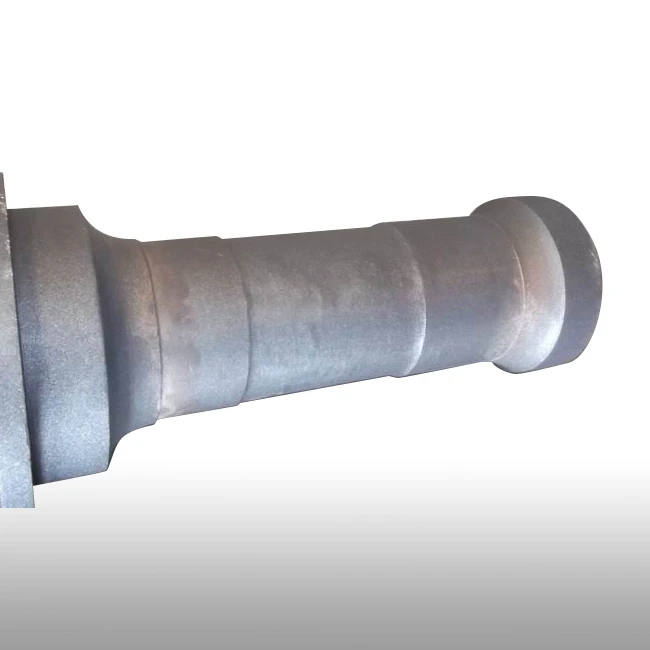

If you're in the market for reliable jaw crusher wear parts or need more information on how to mitigate the effects of temperature and humidity on your crushing equipment, I encourage you to reach out. We also offer a wide range of related products such as Cone Crusher Wear Parts and Mining Crusher Parts Hammerhead. Our team of experts is ready to assist you in finding the right solutions for your specific needs.
References
-ASM Handbook Volume 11: Failure Analysis and Prevention. ASM International.
- "Corrosion of Metals in Atmospheric Environments" by R. Baboian. NACE International.
- "Mechanical Behavior of Materials" by Donald R. Askeland and Pradeep P. Phule. Wiley.