

When it comes to industrial cooling processes, large cooling pans play a pivotal role. These pans are designed to handle large volumes of hot materials and facilitate efficient cooling. A common question that arises among potential buyers is, "Do large cooling pans have a sturdy construction?" As a supplier of large cooling pans, I am well - versed in the intricacies of their design and construction, and I'm here to shed light on this important topic.
The Importance of Sturdy Construction in Large Cooling Pans
Large cooling pans are used in a variety of industries, including metalworking, foundries, and chemical processing. In these settings, they are exposed to extreme conditions, such as high temperatures, heavy loads, and corrosive substances. A sturdy construction is essential to ensure the pan can withstand these harsh environments and perform its function effectively over an extended period.
One of the primary reasons for a sturdy construction is to handle the high temperatures associated with cooling processes. When hot materials are poured into the cooling pan, the pan must be able to resist thermal expansion and contraction without warping or cracking. If the pan is not built to withstand these temperature changes, it can lead to structural failures, which can disrupt the cooling process and even pose safety risks to workers.
Another factor is the weight of the materials being cooled. Large cooling pans are often used to cool large quantities of molten metal or other heavy substances. A robust construction is necessary to support the weight of these materials without deforming. If the pan collapses under the weight, it can cause significant damage to the surrounding equipment and result in costly downtime.
Corrosion is also a major concern in industrial environments. Many of the substances used in these industries can be highly corrosive, which can eat away at the pan's surface over time. A sturdy construction, often with the use of corrosion - resistant materials, can help protect the pan from the effects of corrosion and extend its lifespan.
Materials Used in Sturdy Large Cooling Pans
To achieve a sturdy construction, high - quality materials are crucial. One of the most commonly used materials for large cooling pans is alloy steel. Alloy steel offers excellent strength, durability, and heat resistance, making it an ideal choice for industrial applications. Alloy Steel Ingot Sow Mould is an example of a product that showcases the use of alloy steel in industrial casting and cooling equipment.
Alloy steel can be further enhanced with the addition of other elements, such as chromium, nickel, and molybdenum. These elements can improve the steel's corrosion resistance, hardness, and toughness. For instance, chromium can form a protective oxide layer on the surface of the steel, which helps prevent corrosion. Nickel can increase the steel's ductility and toughness, while molybdenum can improve its strength at high temperatures.

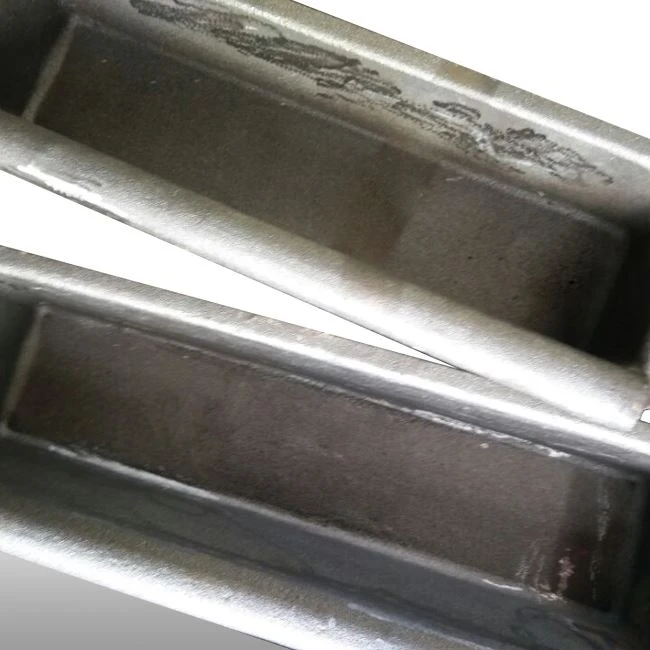
In addition to alloy steel, some large cooling pans may also incorporate other materials, such as refractory materials. Refractory materials are designed to withstand extremely high temperatures and are often used as linings inside the cooling pans. They can help insulate the pan from the heat of the molten materials and protect the underlying structure from damage.
Design Features for Sturdy Construction
The design of a large cooling pan also plays a significant role in its sturdiness. One important design feature is the shape of the pan. A well - designed pan should have a shape that distributes the weight of the materials evenly across its surface. This can help prevent stress concentrations, which can lead to cracking and deformation.
For example, pans with a rectangular or square shape are often preferred because they provide a more stable base and can better support the weight of the materials. Additionally, the corners of the pan should be rounded to reduce stress concentrations.
Another design consideration is the thickness of the pan's walls. Thicker walls generally provide greater strength and durability. However, the thickness must be carefully balanced with other factors, such as the weight of the pan and the cost of production. A skilled engineer will take into account all these factors to determine the optimal wall thickness for a particular application.
Some large cooling pans may also feature reinforced edges or ribs. These structural elements can add additional strength to the pan and help prevent it from bending or warping under heavy loads. Sow Molds with Multiple Chambers often incorporate such design features to ensure their sturdiness and functionality.
Manufacturing Processes for Sturdy Large Cooling Pans
The manufacturing process used to produce large cooling pans is also critical to their sturdiness. Precision casting is a common method used to create high - quality cooling pans. This process involves creating a mold of the pan and then pouring molten metal into the mold. Precision casting allows for the production of complex shapes and ensures a high level of accuracy in the final product.
During the casting process, strict quality control measures are implemented to ensure the integrity of the pan. This includes inspecting the mold for any defects, monitoring the temperature and composition of the molten metal, and conducting post - casting inspections to check for any signs of cracks or other flaws.
After casting, the pan may undergo additional processing steps, such as machining and heat treatment. Machining can be used to refine the shape and dimensions of the pan, while heat treatment can improve its mechanical properties, such as hardness and toughness.
Maintenance and Long - Term Sturdiness
Even with a sturdy construction, proper maintenance is essential to ensure the long - term sturdiness of large cooling pans. Regular inspections should be conducted to check for any signs of wear, corrosion, or damage. Any issues should be addressed promptly to prevent them from worsening.
Cleaning the pans regularly is also important. This can help remove any debris or corrosive substances that may have accumulated on the surface of the pan. Additionally, lubrication may be required for moving parts, if applicable, to ensure smooth operation and prevent premature wear.
Our Commitment as a Supplier
As a supplier of large cooling pans, we are committed to providing our customers with products that have a sturdy construction. We use only the highest - quality materials and employ advanced manufacturing processes to ensure the durability and reliability of our pans. Our team of experienced engineers and technicians works closely with customers to understand their specific requirements and design cooling pans that meet their needs.
We also offer comprehensive after - sales support, including maintenance advice and replacement parts. Our goal is to ensure that our customers can rely on our large cooling pans for their industrial cooling processes for many years to come.
If you are in the market for large cooling pans and are looking for a product with a sturdy construction, we invite you to contact us for a consultation. We can provide you with detailed information about our products, answer any questions you may have, and discuss how our large cooling pans can benefit your business.
In addition to large cooling pans, we also offer a range of other industrial products, such as Dross Pan Sets, which are designed to meet the diverse needs of the industrial sector.
Conclusion
In conclusion, large cooling pans can indeed have a sturdy construction when they are designed and manufactured using high - quality materials and advanced techniques. The use of alloy steel, proper design features, and strict manufacturing processes all contribute to the sturdiness of these pans. By investing in a well - constructed large cooling pan and following proper maintenance procedures, businesses can ensure efficient and safe cooling operations in their industrial facilities.
If you are interested in learning more about our large cooling pans or have any questions about their construction and performance, please do not hesitate to reach out. We look forward to the opportunity to work with you and provide you with the best solutions for your industrial cooling needs.
References
- Industrial Materials Handbook: A Comprehensive Guide to Metals and Alloys
- Manufacturing Processes for Engineering Materials, Fourth Edition
- Handbook of Refractory Materials and Applications