

Do cone crusher wear parts need to be heat - treated?
As a supplier of cone crusher wear parts, I've encountered numerous inquiries from customers regarding the necessity of heat - treating these components. Heat treatment is a critical process in the manufacturing industry, and its application to cone crusher wear parts can significantly impact their performance, durability, and overall cost - effectiveness. In this blog, I'll delve into the details of heat treatment for cone crusher wear parts, exploring its benefits, potential drawbacks, and when it's truly necessary.
Understanding Heat Treatment
Heat treatment is a controlled process that involves heating and cooling metals to alter their physical and mechanical properties. For cone crusher wear parts, which are typically made of high - strength alloys such as manganese steel or chromium - molybdenum steel, heat treatment can enhance hardness, toughness, and wear resistance. There are several types of heat treatment processes commonly used in the manufacturing of wear parts:

- Quenching: This process involves rapidly cooling the heated metal in a quenching medium, such as oil or water. Quenching increases the hardness of the metal by transforming its microstructure into a harder phase. However, it can also introduce internal stresses, which may lead to cracking if not properly managed.
- Tempering: After quenching, tempering is often performed to relieve internal stresses and improve the toughness of the metal. The metal is heated to a lower temperature and held for a specific period before cooling. Tempering helps to balance the hardness and toughness of the wear part, reducing the risk of brittle fracture.
- Annealing: Annealing is a heat treatment process that involves heating the metal to a specific temperature and then slowly cooling it. This process softens the metal, relieves internal stresses, and improves its machinability. Annealing is sometimes used as a pre - treatment before other heat treatment processes or to restore the ductility of a work - hardened metal.
Benefits of Heat - Treating Cone Crusher Wear Parts
- Enhanced Wear Resistance: One of the primary benefits of heat - treating cone crusher wear parts is improved wear resistance. By increasing the hardness of the metal, heat treatment can reduce the rate of wear caused by abrasion, impact, and friction. This means that heat - treated wear parts can last longer in demanding crushing applications, reducing the frequency of replacement and downtime.
- Increased Toughness: Heat treatment can also enhance the toughness of cone crusher wear parts, making them more resistant to cracking and chipping. In a cone crusher, wear parts are subjected to high - impact forces during the crushing process. A tough wear part is less likely to break under these forces, ensuring reliable operation and minimizing the risk of damage to the crusher.
- Improved Dimensional Stability: Heat treatment can help to stabilize the dimensions of cone crusher wear parts. During the manufacturing process, the metal may undergo thermal expansion and contraction, which can lead to dimensional changes. Heat treatment can relieve internal stresses and reduce the likelihood of distortion, ensuring that the wear parts fit properly in the crusher and maintain their performance over time.
Potential Drawbacks of Heat - Treating Cone Crusher Wear Parts
- Higher Cost: Heat treatment is an additional manufacturing step that adds to the cost of producing cone crusher wear parts. The equipment, energy, and labor required for heat treatment can significantly increase the overall production cost. As a result, heat - treated wear parts are generally more expensive than non - heat - treated ones.
- Risk of Cracking: If not properly controlled, heat treatment can introduce internal stresses that may lead to cracking in the wear parts. Quenching, in particular, is a high - risk process that requires careful monitoring of the heating and cooling rates. Cracking can compromise the integrity of the wear part and render it useless, resulting in additional costs for replacement and downtime.
- Limited Machinability: Heat - treated metals are often harder and more difficult to machine than non - heat - treated ones. This can make it challenging to achieve the desired dimensional accuracy and surface finish during the manufacturing process. In some cases, additional machining operations may be required, which can further increase the cost and lead time of production.
When Heat Treatment is Necessary
- High - Abrasion Applications: In applications where the cone crusher is processing highly abrasive materials, such as granite, quartz, or iron ore, heat - treated wear parts are often necessary. The increased wear resistance provided by heat treatment can significantly extend the service life of the wear parts, reducing the overall operating cost.
- High - Impact Applications: If the cone crusher is subjected to high - impact forces, such as in secondary or tertiary crushing operations, heat - treated wear parts can offer better toughness and resistance to cracking. These wear parts can withstand the repeated impacts without breaking, ensuring reliable operation and minimizing the risk of damage to the crusher.
- Stringent Quality Requirements: For customers who have strict quality requirements for their cone crusher wear parts, heat treatment may be necessary to meet these standards. Heat - treated wear parts can provide consistent performance and durability, ensuring that the crusher operates at its optimal level.
Our Offerings as a Supplier
As a supplier of cone crusher wear parts, we understand the importance of heat treatment in certain applications. We offer a range of heat - treated wear parts that are designed to meet the specific needs of our customers. Our heat - treated wear parts are manufactured using advanced heat treatment processes and high - quality materials to ensure superior performance and durability.
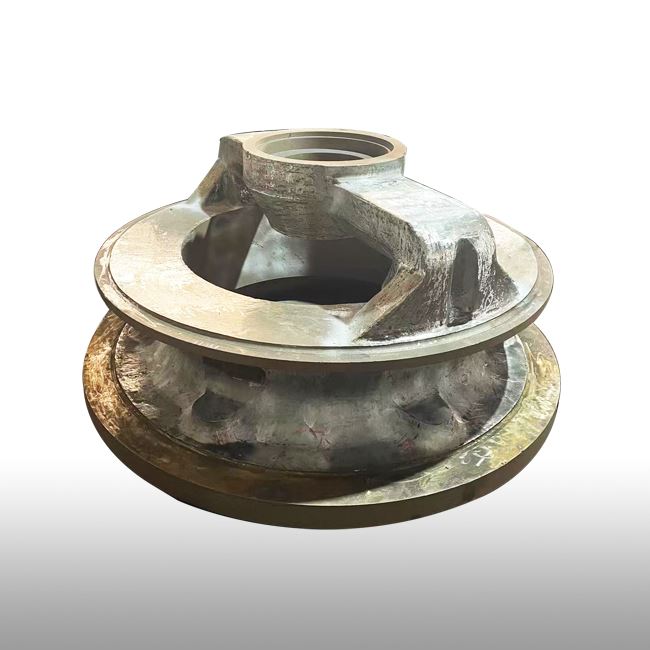
In addition to cone crusher wear parts, we also supply Jaw Crusher Wear Parts and Impact Crusher Wear Parts. Our comprehensive product range allows us to provide一站式 solutions for all types of crushing applications. We also offer Upper And Lower Frame For Cone Crusher, which are essential components for the proper functioning of the cone crusher.
Conclusion
In conclusion, the decision to heat - treat cone crusher wear parts depends on several factors, including the application, the type of material being processed, and the customer's quality requirements. While heat treatment can offer significant benefits in terms of wear resistance, toughness, and dimensional stability, it also comes with some potential drawbacks, such as higher cost and limited machinability.
As a supplier, we are committed to providing our customers with the best - suited wear parts for their specific needs. Whether you need heat - treated or non - heat - treated cone crusher wear parts, we have the expertise and resources to deliver high - quality products at competitive prices. If you are interested in our products or have any questions about heat treatment for cone crusher wear parts, please feel free to contact us for further discussion and procurement negotiation.
References
- ASM Handbook Volume 4: Heat Treating. ASM International.
- Metals Handbook Desk Edition, Third Edition. ASM International.
- Tribology of Engineering Materials and Components. Elsevier.