

In the dynamic and complex world of foundries, the selection of appropriate equipment is crucial for ensuring efficient and safe operations. One such piece of equipment that often sparks discussions is the dross pan. As a dedicated supplier of Dross Pans, I am frequently asked whether dross pans can be used in a foundry. In this blog post, I will delve into the details of dross pans, their applicability in foundries, and the benefits they bring.
Understanding Dross and Dross Pans
Before we explore whether dross pans can be used in a foundry, it's essential to understand what dross is and what dross pans are designed to do. Dross is a by - product that forms on the surface of molten metals during the melting and refining processes. It consists of impurities, oxides, and other non - metallic materials that float to the top of the molten metal. If not removed, dross can contaminate the final cast product, leading to defects and reduced quality.
Dross pans are specifically designed containers used to collect and remove dross from the molten metal. They are typically made of high - quality steel or other heat - resistant materials that can withstand the extreme temperatures in a foundry environment. These pans come in various sizes and shapes to accommodate different foundry setups and production volumes.
Why Dross Pans are Suitable for Foundries
1. Contamination Prevention
One of the primary reasons dross pans are essential in a foundry is to prevent contamination of the molten metal. By regularly skimming the dross from the surface of the molten metal and collecting it in a dross pan, foundry operators can ensure that the metal used for casting is as pure as possible. This leads to higher - quality castings with fewer defects, which is crucial for meeting the strict quality standards of various industries.
2. Safety
Foundry operations involve working with extremely hot molten metals, which pose significant safety risks. Dross pans provide a safe and controlled way to handle the dross. Instead of allowing the dross to spill or splash around, it can be carefully removed and placed in the pan. This reduces the risk of burns and other accidents that could occur if the dross were not properly managed.
3. Efficiency
Using dross pans can also improve the overall efficiency of a foundry. When dross is removed promptly, the melting and refining processes can proceed more smoothly. There is less interference with the flow of the molten metal, and the equipment can operate at optimal levels. Additionally, the collected dross can sometimes be recycled, further reducing waste and saving costs.
Types of Dross Pans and Their Applications in Foundries
1. Standard Dross Pans
Standard dross pans are the most common type used in foundries. They are designed to be simple and easy to use, with a basic shape that allows for efficient dross collection. These pans are suitable for small to medium - sized foundries with relatively low production volumes. They can be manually operated, making them a cost - effective option for many foundries.
2. Specialized Dross Pans
For larger foundries or those with specific production requirements, specialized dross pans may be necessary. These pans can be custom - designed to fit unique foundry equipment or to handle large amounts of dross. Some specialized dross pans are equipped with features such as tilting mechanisms or integrated heating elements to facilitate the dross removal process.
Complementary Equipment in a Foundry
In addition to dross pans, there are other types of equipment that work in conjunction with them in a foundry. For example, Slag Pot is another important container used for collecting and transporting slag, which is similar to dross but often contains more complex chemical compositions. Slag pots are typically larger and more robust than dross pans, designed to handle the heavier and more abrasive slag.
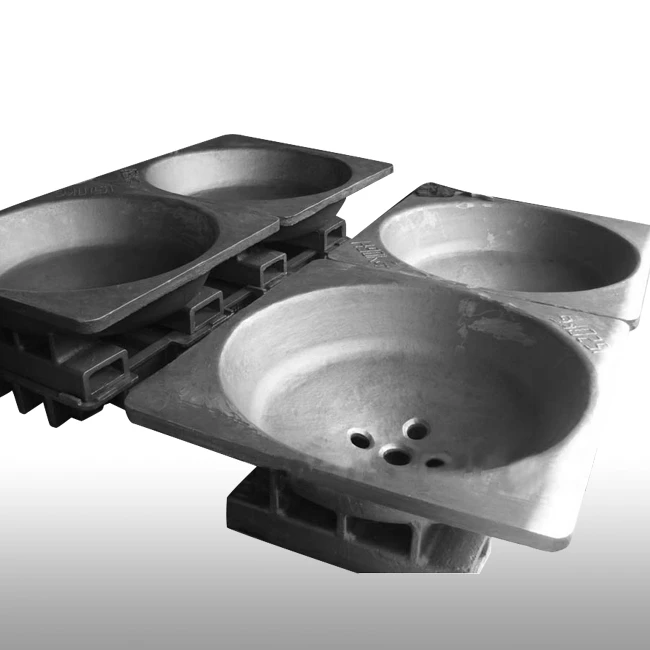

Dross and Drain Pans are also commonly used in foundries. These pans are designed to collect both dross and any excess molten metal that may drain from the equipment during the production process. They help to keep the work area clean and prevent the loss of valuable metal.
Large Cooling Pan can be used to cool down the collected dross or slag before further processing. This is important for handling the materials safely and preparing them for recycling or disposal.
Factors to Consider When Using Dross Pans in a Foundry
1. Material Compatibility
The material of the dross pan must be compatible with the type of molten metal being processed in the foundry. Different metals have different melting points and chemical properties, and the pan material must be able to withstand these conditions without reacting with the metal or being damaged.
2. Size and Capacity
The size and capacity of the dross pan should be carefully selected based on the production volume of the foundry. A pan that is too small will need to be emptied frequently, which can disrupt the production process. On the other hand, a pan that is too large may be cumbersome to handle and may take up unnecessary space in the foundry.
3. Maintenance
Regular maintenance of the dross pans is essential to ensure their longevity and proper functioning. This includes cleaning the pans after each use to remove any residual dross or slag, inspecting them for signs of wear and tear, and replacing any damaged parts as needed.
Conclusion
In conclusion, dross pans are not only suitable but also essential for foundries. They play a vital role in preventing contamination, ensuring safety, and improving efficiency in the foundry environment. With the right selection of dross pans and proper maintenance, foundries can achieve higher - quality castings and more cost - effective operations.
If you are a foundry owner or operator looking for high - quality dross pans, I encourage you to reach out to discuss your specific requirements. I am confident that our range of Dross Pans can meet your needs and help you optimize your foundry operations.
References
- "Foundry Handbook: Metal Casting Processes and Technology"
- "Safety Guidelines for Foundry Operations"
- Industry reports on foundry equipment and best practices